
Digital nomad community Southeast Asia
Southeast Asia is a prime destination for digital nomads due to its affordability, vibrant culture, and the presence of thriving digital nomad communities. The region’s appeal is further enhanced by the availability of reliable internet connectivity in urban areas and a variety of visa options suitable for long-term stays. Cities like Chiang Mai, Bali, and Ho Chi Minh City have become hotspots for digital nomads seeking a balance of work and lifestyle. This comprehensive guide on digital nomad Southeast Asia provides actionable insights.
Top Cities for Digital Nomads in Southeast Asia
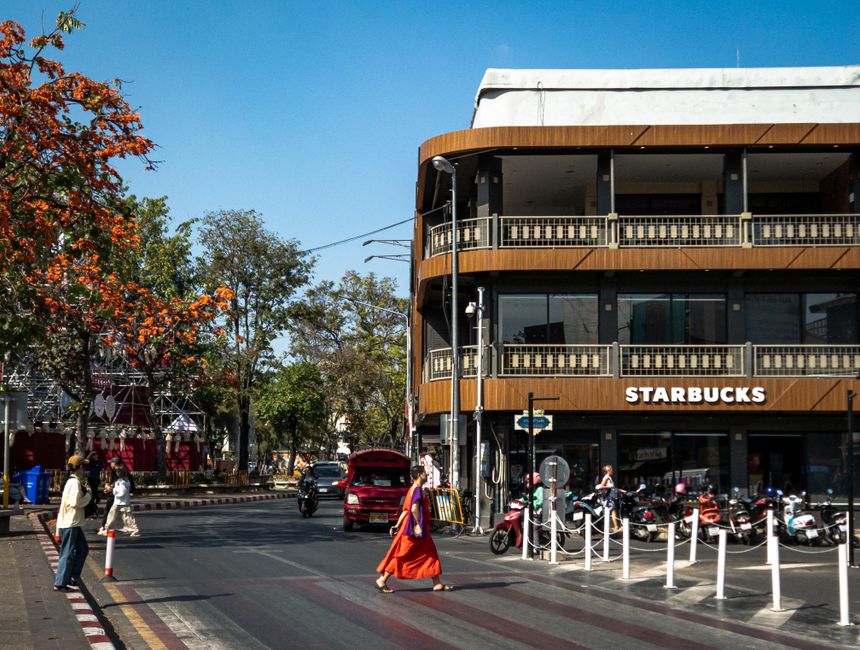
Chiang Mai, Thailand, stands out as a top choice for digital nomads due to its low cost of living, friendly community, and abundance of co-working spaces. The city offers a unique blend of traditional Thai culture and modern amenities, making it an ideal location for remote work. The vibrant night markets, delicious street food, and scenic mountain views add to its charm.
Bali, Indonesia, particularly the town of Ubud, is renowned for its lush landscapes and spiritual atmosphere. It attracts digital nomads with its affordable villas and a strong community of like-minded individuals. The island’s co-working spaces often double as hubs for networking and collaboration, fostering a sense of community among remote workers.
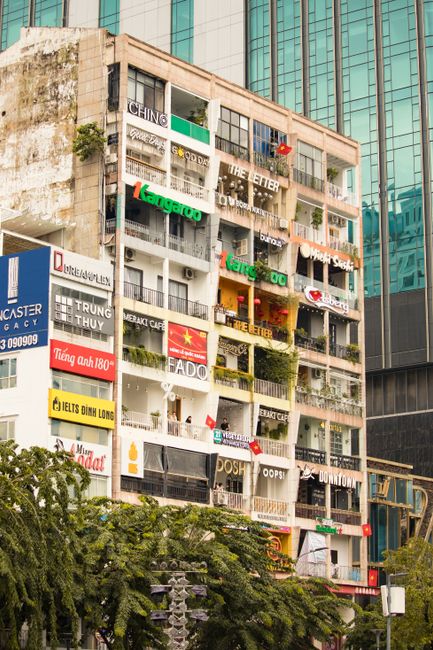
Ho Chi Minh City, Vietnam, offers a dynamic urban experience with a rapidly growing digital nomad scene. The city’s bustling energy, combined with its affordable cost of living and a plethora of cafes with high-speed internet, makes it a compelling choice. The local cuisine and vibrant nightlife further enhance its appeal to digital nomads.
- Explore Chiang Mai’s co-working spaces like Punspace and Hub 53.
- Join digital nomad meetups in Ubud to network with fellow remote workers.
- Experience Ho Chi Minh City’s vibrant street food scene.
Affordable Living and Working Spaces
Finding affordable living spaces in Southeast Asia is relatively easy, with a wide range of options from budget hostels to luxury apartments. In cities like Chiang Mai and Ho Chi Minh City, monthly rentals can be significantly lower than in Western countries, allowing digital nomads to enjoy a comfortable lifestyle without breaking the bank.
Co-working spaces are plentiful and affordable, offering flexible membership plans that cater to different needs. These spaces often provide high-speed internet, meeting rooms, and networking events, creating an ideal environment for productivity and collaboration. In Bali, co-working spaces like Hubud and Outpost offer unique settings that blend work with leisure.
Many digital nomads opt for co-living arrangements, which combine accommodation with shared workspaces. This setup not only reduces costs but also fosters a sense of community and collaboration among residents. Co-living spaces are particularly popular in Bali and Chiang Mai, where they offer a convenient and cost-effective solution for long-term stays.
- Consider co-living spaces for a community-focused experience.
- Research local rental markets for budget-friendly accommodation.
- Utilize co-working spaces for networking and productivity.

Visa Requirements for Long-term Stays
Visa requirements in Southeast Asia vary by country, but many offer options suitable for digital nomads. Thailand, for instance, provides a tourist visa that can be extended, as well as a special visa for long-term residents. This flexibility makes it easier for digital nomads to stay for extended periods.
Indonesia offers a social-cultural visa that can be extended multiple times, allowing digital nomads to stay in Bali for up to six months. This visa is popular among remote workers who wish to immerse themselves in the local culture while maintaining their work commitments.
Vietnam has introduced an e-visa system that simplifies the application process for digital nomads. The e-visa is valid for 30 days and can be renewed, providing a straightforward option for those looking to explore the vibrant culture and opportunities in Ho Chi Minh City.
- Check visa extension options before planning your stay.
- Consider applying for a social-cultural visa in Indonesia.
- Utilize Vietnam’s e-visa system for easy access.
Reliable Internet Connectivity in Southeast Asia
Internet connectivity in Southeast Asia is generally reliable in urban areas, making it suitable for digital nomads who rely on stable connections for their work. Major cities like Bangkok, Kuala Lumpur, and Singapore offer high-speed internet and numerous Wi-Fi hotspots.
In rural regions, internet connectivity can be less consistent, so digital nomads often prefer to base themselves in cities where infrastructure is more developed. Co-working spaces and cafes in urban areas typically provide fast and reliable internet, ensuring that remote work can continue uninterrupted.
For those traveling between cities, mobile data plans are an affordable and convenient option. Many countries in Southeast Asia offer competitive rates for mobile data, allowing digital nomads to stay connected while on the move. This flexibility is crucial for maintaining productivity and communication.
- Choose urban areas for reliable internet access.
- Utilize co-working spaces for high-speed connections.
- Invest in a local mobile data plan for connectivity on the go.
Exploring Co-working Spaces Across the Region
Co-working spaces in Southeast Asia are not only abundant but also diverse, catering to a wide range of preferences and work styles. These spaces often feature modern amenities, comfortable workstations, and vibrant communities, making them ideal for digital nomads seeking productivity and networking opportunities.
In cities like Bangkok and Kuala Lumpur, co-working spaces are strategically located in business districts, providing easy access to public transportation and other urban conveniences. These spaces frequently host events and workshops, fostering a collaborative environment for innovation and growth.
The digital nomad Southeast Asia community thrives in these co-working environments, where individuals from various backgrounds come together to share ideas and collaborate on projects. This sense of community is a significant draw for digital nomads, who often seek connections and support while living and working abroad.
- Explore co-working spaces in business districts for convenience.
- Attend events and workshops to expand your network.
- Engage with the digital nomad Southeast Asia community for collaboration.