
Financial tips digital nomads Southeast Asia
Financial tips for digital nomads Southeast Asia are crucial for managing finances across multiple countries, understanding varied living costs, and securing reliable banking options. Southeast Asia’s appeal lies in its low cost of living compared to Western nations, making it a prime destination for digital nomads seeking affordability and adventure.
Understanding Cost of Living in Southeast Asia
Southeast Asia is renowned for its affordability, with countries like Vietnam, Thailand, and Indonesia offering significantly lower living costs compared to Western countries. The cost of living can vary widely within the region, influenced by factors such as urban versus rural settings and local economic conditions. For instance, while Bangkok and Ho Chi Minh City offer vibrant city life at a fraction of the cost of New York or London, rural areas can be even more economical.
Digital nomads must consider accommodation, food, transportation, and leisure activities when budgeting. In Thailand, a comfortable lifestyle can be maintained on a monthly budget of $1,000 to $1,500, whereas in Indonesia, particularly in Bali, costs might range from $800 to $1,200. These figures fluctuate based on lifestyle choices, such as dining out frequently or opting for luxury accommodations.
Understanding these variations is essential for effective financial planning. Nomads should research specific cities and regions to gauge accurate living costs. Online forums and expat communities can provide valuable insights and real-world experiences, aiding in the creation of a realistic budget tailored to individual needs.
- Research cost of living in specific cities before relocating.
- Join online forums for real-world insights on expenses.
- Create a flexible budget to accommodate lifestyle changes.

Visa Options for Digital Nomads
Visa policies in Southeast Asia are generally favorable for digital nomads, with several countries offering long-term stay options. Thailand’s Special Tourist Visa allows for a stay of up to 270 days, making it a popular choice. Similarly, Malaysia’s My Second Home program provides a long-term visa for retirees and expatriates, though not specifically for digital nomads.
Indonesia has introduced a digital nomad visa for Bali, allowing remote workers to stay for up to five years without paying local taxes on foreign income. This initiative is designed to attract digital professionals and boost the local economy. Vietnam and Cambodia also offer business and tourist visas that can be extended, providing flexibility for nomads.
Understanding the visa requirements and application processes is crucial to avoid legal issues. Nomads should ensure they have the necessary documentation and comply with local regulations. Consulting with immigration experts or legal advisors can provide clarity and assistance in navigating these processes.
- Check visa requirements and options for each country.
- Consider long-term visa programs like Thailand’s Special Tourist Visa.
- Consult with immigration experts for legal compliance.
Choosing the Right Banking Services
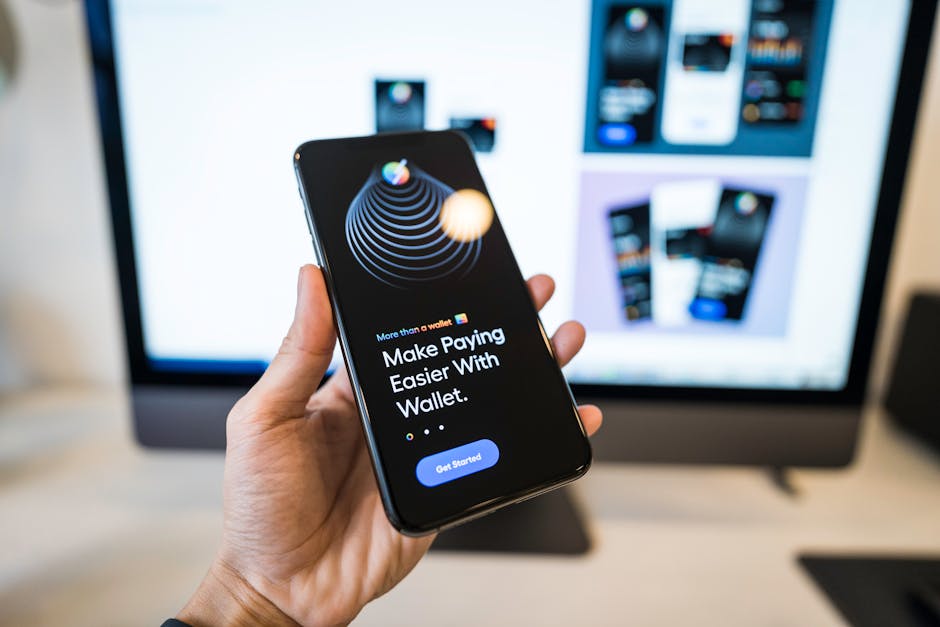
Selecting the right banking services is vital for managing finances efficiently while living in Southeast Asia. Digital nomads should consider using international banking services or digital banks like Wise or Revolut, which offer competitive currency exchange rates and low transaction fees. These platforms allow for seamless money transfers and multi-currency accounts, which are essential for nomads earning in different currencies.
Local banks in Southeast Asia may offer attractive interest rates on savings accounts, but they often come with limitations on international transactions. Therefore, maintaining a balance between local and international banking solutions is advisable. Digital nomads should also be aware of ATM withdrawal fees, which can accumulate over time.
Security is another critical factor. Ensuring that banking platforms offer robust security measures, such as two-factor authentication and encryption, is essential to protect against fraud. Regularly monitoring account statements and setting up alerts for transactions can help manage finances effectively and prevent unauthorized access.
- Use digital banks like Wise or Revolut for better exchange rates.
- Balance local and international banking solutions.
- Ensure robust security measures for online banking.

Ensuring Reliable Internet Connectivity
Internet connectivity is generally reliable in urban areas across Southeast Asia, but digital nomads should prepare for potential disruptions. Major cities like Bangkok, Kuala Lumpur, and Singapore offer high-speed internet, making them ideal for remote work. However, in rural or less developed areas, connectivity can be inconsistent.
Having a backup plan is crucial. Many nomads opt for mobile data plans as a secondary internet source. SIM cards with generous data packages are readily available and affordable in most Southeast Asian countries. Additionally, co-working spaces and cafes in urban centers provide reliable internet, creating conducive environments for productivity.
Investing in portable Wi-Fi devices can also ensure connectivity during travel. These devices allow for internet access in areas with limited infrastructure. Digital nomads should research the best options available in their destination country to maintain seamless work operations.
- Use mobile data plans as a backup internet source.
- Research co-working spaces with reliable internet.
- Invest in portable Wi-Fi devices for travel.
Health Insurance for Long-term Travelers
Health insurance is a critical consideration for digital nomads in Southeast Asia. The region offers a range of insurance plans tailored for expatriates and long-term travelers, providing coverage for medical emergencies, hospitalization, and routine care. Companies like Cigna and Allianz offer comprehensive plans that cater to the needs of digital nomads.
Access to healthcare varies across Southeast Asia, with countries like Thailand and Malaysia boasting high-quality medical facilities, while others may have limited services. Having a robust health insurance plan ensures access to necessary medical care without incurring prohibitive costs. It’s important for nomads to understand the coverage details, including exclusions and claim processes.
Financial tips for digital nomads Southeast Asia also include considering telemedicine services, which have become increasingly popular. These services offer remote consultations with healthcare professionals, providing convenience and accessibility. Nomads should evaluate insurance plans that offer telemedicine as part of their coverage to enhance their healthcare options.
- Choose insurance plans tailored for expatriates.
- Understand coverage details and exclusions.
- Consider telemedicine services for remote consultations.