
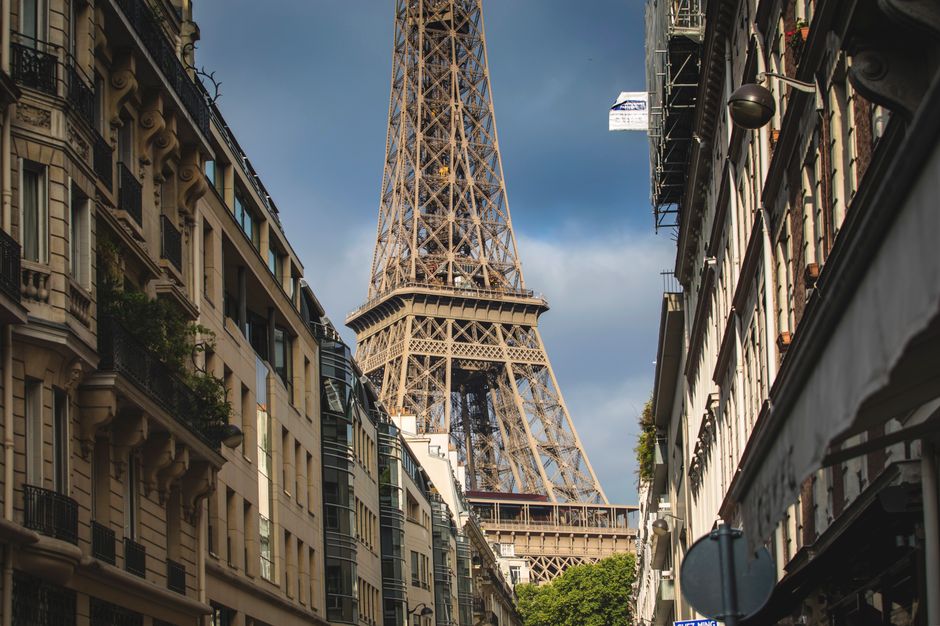
Visa & Entry Requirements for France
Understanding the visa regulations is the foundational step for any international traveler planning a trip to France. Non-EU, EEA, or Swiss citizens typically fall under the Schengen visa agreement, which permits a stay of up to 90 days within any 180-day period across the entire Schengen Area, including France. It is crucial to verify specific country requirements well in advance of your departure, as regulations can vary and impact your ability to execute a seamless France travel itinerary. Always consult the official French embassy or consulate website in your home country for the most current and accurate information regarding necessary documentation and application procedures.
Optimizing Your France Transport
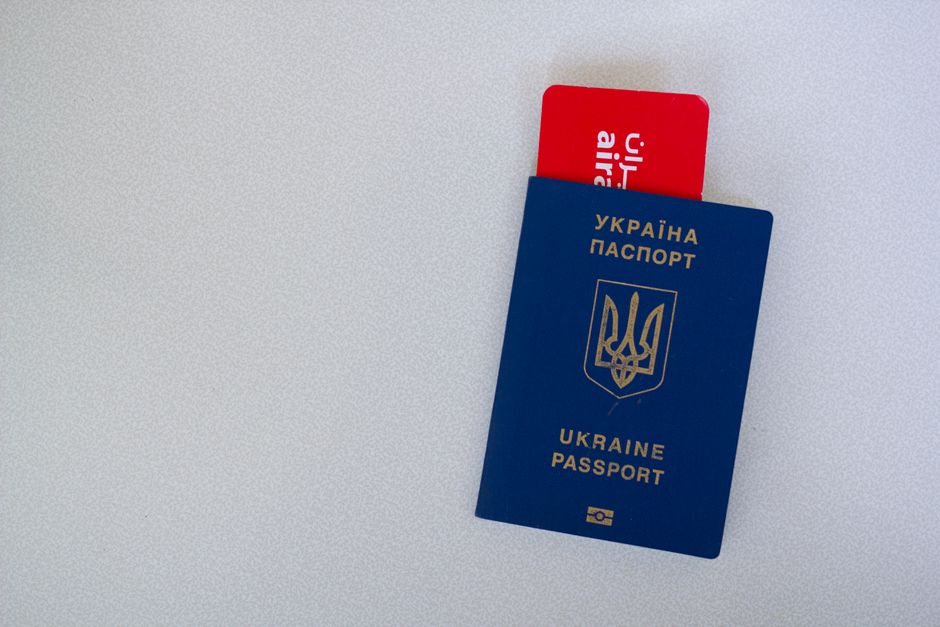
Efficient transportation is key to maximizing your exploration of France. The high-speed TGV trains, operated by SNCF (Société Nationale des Chemins de fer Français), offer rapid connections between major cities; for instance, a journey from Paris to Lyon takes approximately 2 hours, while Paris to Nice is about 5.5 hours. For significant savings, travelers should book TGV tickets 2-3 months in advance to secure ‘Prems’ fares, which can be 50-70% cheaper than last-minute purchases, easily done via the SNCF Connect app or sncf-connect.com. Additionally, the ‘Carte Jeune’ provides 25-50% discounts for those aged 12-27 at a cost of €49 per year, making train travel more accessible, while BlaBlaCar (blablacar.fr) offers a popular carpooling alternative for flexibility, and ViaMichelin (viamichelin.com) is invaluable for detailed road trip planning and route optimization, ensuring these options significantly enhance a comprehensive France travel itinerary.
Budgeting for Your French Adventure
A realistic budget is essential for a stress-free French adventure, with average daily costs for mid-range travel in France, excluding Paris, typically ranging from €100 to €150 per person. This estimate comfortably covers accommodation, meals, and local transport, though Paris can be 30-50% more expensive due to higher demand and pricing. For accommodation, platforms like Booking.com and Airbnb offer extensive options across various price points, allowing travelers to find suitable stays whether in bustling cities or tranquil rural areas. Careful budgeting is paramount for a successful France travel itinerary, ensuring you can enjoy the country’s rich offerings without financial strain.

Navigating Attractions & Peak Seasons
Strategic planning is vital when visiting France’s renowned attractions, especially considering operational schedules and peak tourist periods. Most major museums and cultural sites, such as The Louvre (closed Tuesdays) and Musée d’Orsay (closed Mondays), observe closures on either Mondays or Tuesdays, a critical detail for scheduling. During peak tourist season, typically July and August, accommodation prices can surge by 20-40%, and popular attractions often experience 2-3 hour wait times without pre-booking. Furthermore, public holidays like May 1st, July 14th, and November 11th frequently lead to widespread closures of shops, banks, and reduced public transport services. To mitigate long queues and potentially save money, consider purchasing a ‘Museum Pass,’ such as the Paris Museum Pass (parismuseumpass.com), which grants access to multiple sites and allows you to bypass ticket lines, making it a smart addition to any France travel itinerary.

Essential Planning Tips & Resources
For a truly enriching and well-organized trip, leveraging reliable planning resources is indispensable. Beyond general travel guides, utilize official portals like France-Voyage.com for broad tourism information and insights into various regions. Crucially, consult local tourist office websites, such as those for Paris or Lyon, as they provide the most accurate and up-to-date details on local events, free activities, and specific opening hours, which can fluctuate seasonally and are often more dependable than generic travel sites. These local resources are invaluable for fine-tuning your France travel itinerary, ensuring you experience the most authentic and current offerings available during your visit.