
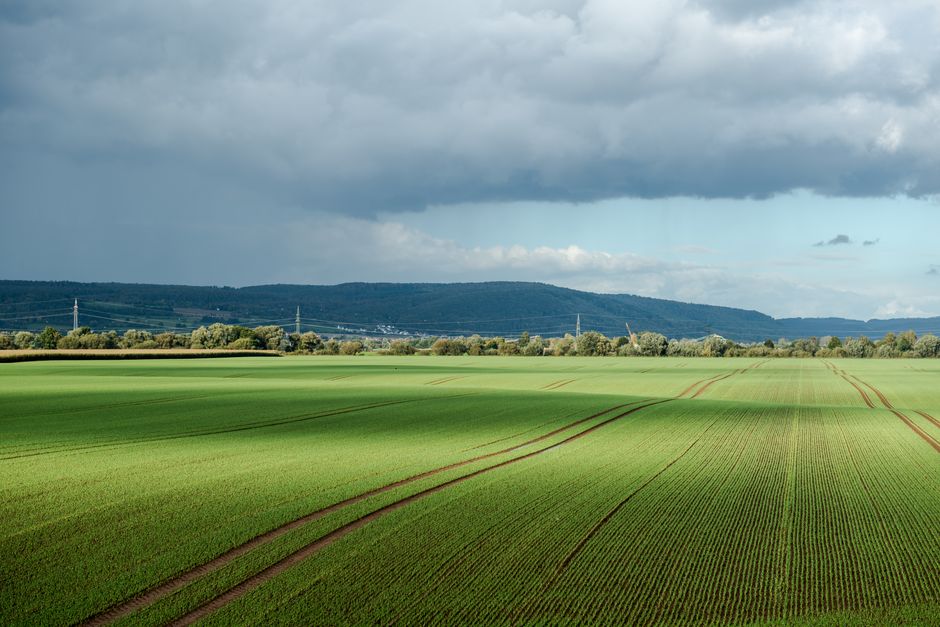
Understanding Germany’s Climate
Germany experiences a temperate seasonal climate, characterized by distinct seasons and moderate weather conditions throughout the year. For travelers consulting a comprehensive Germany weather guide, it is important to note that the country’s average annual temperature hovers around 9-10°C (48-50°F), reflecting this mild disposition. Precipitation is generally consistent, with average annual levels ranging from 600 mm to 800 mm across most regions, ensuring lush landscapes and frequent refreshing showers. However, mountainous areas, particularly the southern Alps, can receive significantly higher rainfall, sometimes exceeding 2000 mm annually, contributing to their unique ecosystems. The sunniest months are typically July and August, offering an inviting average of 7-8 hours of sunshine per day, perfect for outdoor exploration and enjoying Germany’s vibrant summer culture.

Seasonal Weather Patterns
Each season in Germany presents its own unique weather characteristics, crucial for planning any visit. Summer, spanning from June to August, is generally warm and pleasant, with average temperatures ranging from 18-22°C (64-72°F); however, occasional heatwaves can push temperatures above 30°C (86°F), particularly in the south. During these warmer months, thunderstorms are a common occurrence across Germany, often developing in the afternoon and bringing dramatic but brief downpours. Winter, from December to February, is cool and often cold, with average temperatures between 0-3°C (32-37°F), and frequent snowfall, especially prevalent in southern Germany and at higher elevations, creating picturesque winter landscapes. Spring and autumn serve as transitional periods, offering milder temperatures and a mix of sunshine and rain, with autumn renowned for its vibrant foliage.

Regional Weather Differences & Sudden Changes
Germany’s diverse geography leads to notable regional weather variations, which are essential to consider when planning your itinerary. Coastal regions along the North Sea and Baltic Sea, for instance, experience stronger winds and generally milder winters compared to the more continental eastern parts of the country, which can be colder and drier. Furthermore, sudden weather changes are a hallmark of the German climate; a clear morning can quickly give way to an afternoon rain shower, particularly in spring and autumn. This unpredictability means travelers should always carry a compact umbrella or a light waterproof jacket year-round, as relying solely on extended clear forecasts can lead to unexpected dampness. Even in summer, as noted, afternoon thunderstorms can develop rapidly, necessitating preparedness for sudden shifts in conditions.

Essential Packing for German Weather
Preparing for Germany’s variable climate is key to a comfortable trip, and a well-thought-out packing strategy is indispensable for any Germany weather guide. A fundamental insider tip is to always pack layers, regardless of the season, as temperatures can fluctuate significantly between day and night, and between sunny and cloudy conditions. Even in summer, a light jacket or sweater is frequently needed for cooler evenings or unexpected temperature drops. Furthermore, due to the common occurrence of sudden rain showers, especially in spring and autumn, it is highly advisable to carry a compact umbrella or a light waterproof jacket year-round; do not rely solely on clear forecasts for extended periods, as conditions can change rapidly. Comfortable, waterproof walking shoes are also a wise choice for exploring cities and natural landscapes alike.
Best Weather Resources & Apps
For the most accurate and up-to-date weather information during your travels, consulting reliable resources is paramount. The official German meteorological service, Deutscher Wetterdienst (DWD), at www.dwd.de, provides comprehensive and authoritative forecasts. For hyper-local and more accurate forecasts, especially for short-term changes, utilizing local German weather apps like WetterOnline (www.wetteronline.de) or Kachelmannwetter (www.kachelmannwetter.com) is highly recommended, as Germany’s weather can be very regional. Many of these services also integrate a RegenRadar feature, offering real-time rain tracking, which is incredibly useful for planning outdoor activities. While international apps such as AccuWeather and The Weather Channel are widely used and offer German-specific data, the local services often provide superior detail and precision, making them invaluable additions to your Germany weather guide toolkit.