
Germany’s Major Airports & Connectivity
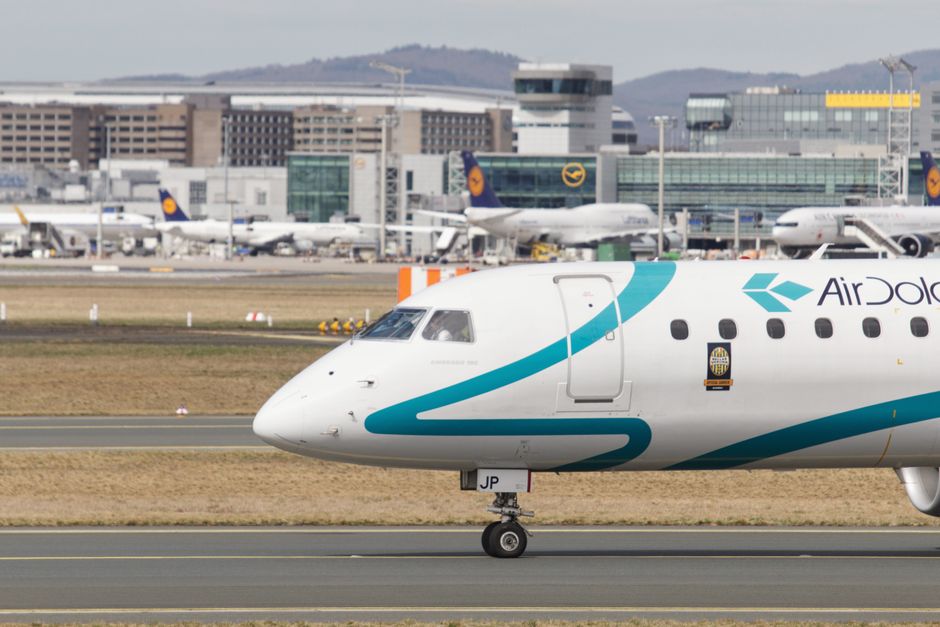
Germany boasts an extensive network of 39 international airports, ensuring excellent connectivity for travelers worldwide. Frankfurt Airport (FRA) stands as the nation’s largest hub, impressively handling over 60 million passengers annually in the pre-pandemic era, serving as a critical gateway for both long-haul and intra-European journeys. This comprehensive Germany flights guide highlights the efficiency and reach of the country’s aviation infrastructure.
Beyond Frankfurt, other significant international airports include Munich Airport (MUC) and Berlin Brandenburg Airport (BER), which provide crucial links to various domestic and international destinations. These airports are well-integrated into Germany’s robust public transport system, offering seamless connections via trains and buses, making onward travel convenient and efficient for all arrivals.
Travelers can expect modern facilities and a wide array of services at these major airports, designed to enhance the passenger experience. Whether you are arriving for business or leisure, Germany’s airports are equipped to handle diverse travel needs, ensuring a smooth start to your German adventure.
Flight Costs & Smart Booking Strategies
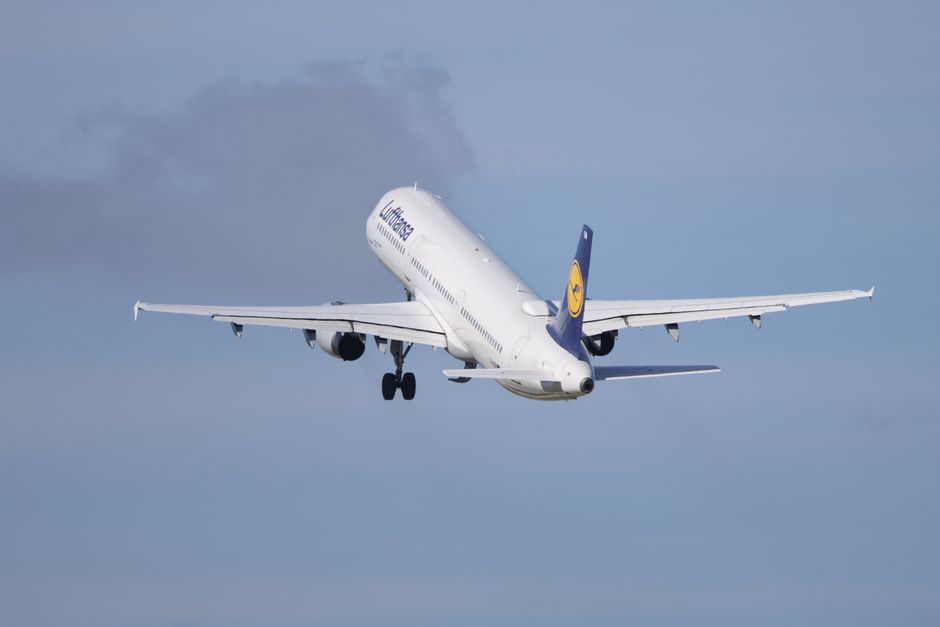
Understanding flight costs is crucial for any Germany flights guide, especially when planning domestic travel. Flights within Germany, such as the popular route from Berlin (BER) to Munich (MUC), typically range from EUR 50-150 for economy class tickets when booked well in advance, with a flight duration of approximately 1 hour and 10 minutes. It is important to note that a Value Added Tax (VAT) of 19% applies to domestic flight tickets within Germany, while international flights are generally exempt from German VAT.
To secure the most competitive prices for both domestic and intra-European flights, it is highly recommended to book your tickets at least 6-8 weeks in advance. Flexibility with travel dates can also yield significant savings; consider flying on Tuesdays, Wednesdays, or Saturdays, as these days are typically less expensive than peak travel days. Airlines like Lufthansa (lufthansa.com), Eurowings (eurowings.com), and Condor (condor.com) frequently offer promotional fares.
When searching for flights, always utilize reputable comparison sites such as Skyscanner (skyscanner.de), Google Flights (google.com/flights), or Idealo Flug (idealo.de/flug). After identifying potential deals, verify the prices directly on the official airline websites to avoid third-party booking fees or potential issues with unofficial resellers, ensuring a secure and transparent booking process.

Airline Baggage Rules & Check-in Procedures
Navigating airline baggage rules and check-in procedures is a key component of a stress-free journey. Lufthansa, Germany’s flag carrier, generally permits one piece of carry-on baggage with a maximum weight of 8 kg and dimensions of 55x40x23 cm, along with one personal item for economy class passengers. Checked baggage allowances vary significantly by fare type, typically starting at 23 kg for standard economy fares, so always confirm your specific allowance before packing.
Airlines such as Lufthansa and Eurowings (eurowings.com) strongly encourage passengers to utilize online check-in and mobile boarding passes. This convenient option allows travelers to bypass potentially long queues at traditional check-in counters, especially beneficial if you are traveling with only carry-on luggage. Completing these steps in advance streamlines your airport experience considerably.
Always review the specific baggage policies of your chosen airline on their official website prior to your departure. Adhering to these guidelines prevents unexpected fees and ensures a smooth transition through security and boarding, contributing to an efficient travel day.
Airport Arrival Times & Facilities
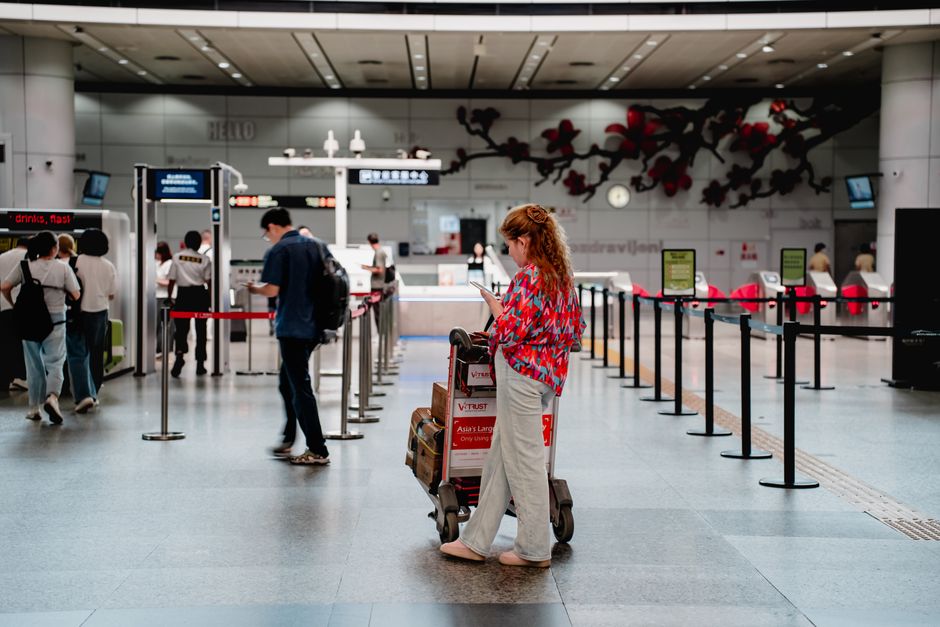
Strategic airport arrival times are essential for a relaxed travel experience, especially when consulting a Germany flights guide. For international flights departing from Germany, it is strongly recommended to arrive at the airport at least 2-3 hours before your scheduled departure time to allow ample time for check-in, security screening, and reaching your gate. For domestic flights, arriving 1.5-2 hours in advance is usually sufficient.
German airports are well-equipped with modern facilities designed for passenger comfort and convenience. Most airports offer free Wi-Fi access for at least 30 minutes, with some, like Munich Airport (MUC) (munich-airport.de), providing unlimited free access, allowing travelers to stay connected. You will also find a wide range of dining, shopping, and lounge options.
Efficient ground transportation is readily available at all major airports. For instance, the average cost for a one-way S-Bahn or regional train ticket from Frankfurt Airport (FRA) (frankfurt-airport.com) to Frankfurt Hauptbahnhof (main station) is approximately EUR 5.80. Travelers can easily plan their onward journeys using resources like Deutsche Bahn (bahn.de) for reliable train connections, ensuring a seamless transition from air to ground travel.