
Types of Public Transport Tickets & Fares
Navigating Germany’s efficient public transport system begins with understanding the various ticket options available. A single public transport ticket, known as an Einzelfahrschein, in major German cities like Berlin or Munich typically costs between 2.90 EUR and 3.50 EUR for a standard zone, providing a convenient option for occasional journeys. For more extensive travel, the revolutionary Deutschlandticket, available for 49 EUR per month, offers unlimited travel on all local and regional public transport nationwide, explicitly excluding long-distance IC/ICE trains, making it an invaluable part of any comprehensive Germany public transport guide.
Families will appreciate that children under 6 years old travel free on all public transport across Germany, while children aged 6-14 often receive significantly discounted fares on Deutsche Bahn services when accompanied by an adult. Local transport providers such as BVG in Berlin, MVV in Munich, and HVV in Hamburg offer a range of daily, weekly, and monthly passes tailored to different travel needs. It is absolutely crucial to always validate your public transport ticket, whether it is an Einzelfahrschein or a Tageskarte, at the blue or yellow machines before boarding; failure to do so is considered fare evasion and will result in a substantial 60 EUR fine.
Long-Distance Travel: Trains, Buses & Booking Tips
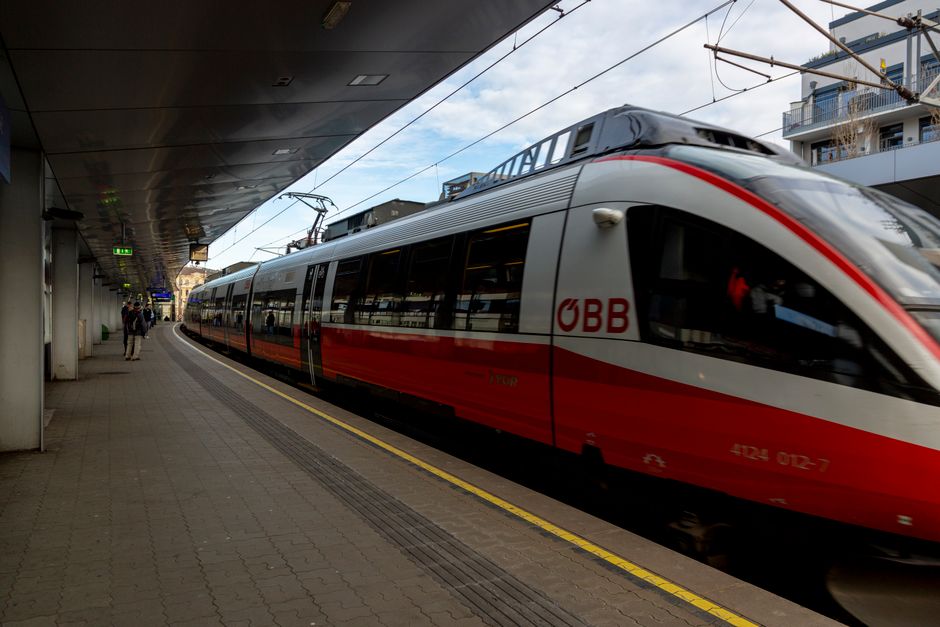
For intercity journeys, Deutsche Bahn (DB) is the primary provider, operating high-speed ICE and IC trains that connect major German cities with remarkable efficiency, though their punctuality rate for arrivals within 6 minutes of schedule stood at approximately 70-75% as of Q1 2024. To secure the best prices for long-distance train travel, always book ICE/IC tickets at least 2-3 months in advance via bahn.de to access ‘Sparpreis’ (saver fare) tickets, which can be up to 70% cheaper than last-minute flexible fares.
Travelers exploring specific regions should consider the ‘Länderticket’ (State Ticket), an excellent option for groups of 2-5 people traveling on regional trains (RE, RB, S-Bahn). This ticket offers unlimited day travel within a specific federal state for a fixed price, such as the popular Bayern-Ticket for Bavaria. For budget-conscious long-distance travel, FlixBus and FlixTrain, accessible via flixbus.de, provide extensive networks of affordable bus and train connections across Germany and Europe, serving as a strong alternative to DB for certain routes.

Getting Around Cities: Taxis, Car & Bike Sharing
Within German cities, a variety of transport options complement the robust public networks. Taxis offer convenience, with a typical 10-minute ride covering approximately 5 km in a major city costing between 15 EUR and 20 EUR, including the base fare. Services like Free Now, available via free-now.com, streamline taxi and ride-hailing bookings, providing a modern solution for urban mobility.
Car-sharing services, such as Share Now (share-now.com), are widely available in larger cities, offering flexible rental by the minute, hour, or day, though users should be aware that the average price for Super E5 petrol in Germany is around 1.80 EUR/liter, while diesel is approximately 1.70 EUR/liter, with prices subject to fluctuation. For eco-friendly exploration, bike-sharing platforms like Nextbike (nextbike.de) provide an excellent way to navigate urban centers, especially given that most urban public transport systems (U-Bahn, S-Bahn, Trams, Buses) operate from approximately 04:30 AM to 01:00 AM, with extended night bus and train services on weekends in major cities.

Essential Tips for Smooth Travel & Avoiding Fines
To ensure a seamless travel experience throughout Germany, always prioritize ticket validation; an unvalidated ticket, even if purchased, is considered fare evasion and carries a strict 60 EUR fine. Familiarize yourself with the local transport apps for real-time schedules and ticket purchases, as these are indispensable tools for navigating the urban networks effectively. This comprehensive Germany public transport guide emphasizes the importance of planning, especially for long-distance journeys.
Leverage the Deutschlandticket for unparalleled freedom on local and regional routes if your itinerary involves extensive travel across different states, as its 49 EUR monthly cost offers significant savings compared to individual tickets. For intercity train travel, booking ‘Sparpreis’ tickets well in advance through bahn.de remains the most effective strategy for cost savings. Always check for ‘Länderticket’ options if traveling in a group on regional trains, as these can dramatically reduce per-person costs for day trips within a specific federal state.