

Prepaid SIM & eSIM Options
Securing reliable Germany internet for tourists is straightforward, with both traditional prepaid SIM cards and modern eSIM options widely available. Major German mobile providers such as Deutsche Telekom (T-Mobile Germany), Vodafone Germany, and O2 Telefónica Germany offer prepaid physical SIM cards, which can be purchased at their official stores or larger supermarkets like Rewe and Edeka, ensuring easier registration and robust support.
For travelers seeking immediate connectivity upon arrival and wishing to bypass local SIM registration complexities, eSIMs present an excellent alternative. Most German mobile providers now offer eSIM options for new activations or conversions from physical SIMs, simplifying setup for compatible devices. Additionally, international eSIM providers like Airalo, Holafly, and eSIM.net offer data-only eSIM plans for Germany, providing convenient digital solutions.
These data-only eSIM plans typically start from EUR 5 for 1GB valid for 7 days, extending to approximately EUR 20 for 10GB valid for 30 days, offering flexible options for various trip durations. Alongside the major players, Mobile Virtual Network Operators (MVNOs) like Congstar (Telekom MVNO), Blau (O2 MVNO), and Lidl Connect (Vodafone MVNO) also provide competitive prepaid SIM card deals, often at more budget-friendly prices.

Costs & Data Plans
Understanding the costs associated with Germany internet for tourists is crucial for budget planning. For physical prepaid SIM cards, the average cost for a plan including 5-10 GB of data typically ranges from EUR 9.99 to EUR 19.99, with validity periods often set at 4 weeks. These plans are readily available from major providers like Deutsche Telekom, Vodafone, and O2 Telefónica, as well as their respective MVNOs such as Congstar, Blau, and Lidl Connect.
When considering eSIM options, data-only plans for Germany offer competitive pricing and flexibility. Travelers can find plans starting from around EUR 5 for 1GB of data valid for 7 days, which is ideal for short stays or light usage. For longer trips or more intensive data needs, plans offering 10GB of data for 30 days are available for approximately EUR 20 from international eSIM providers.
These pricing structures allow tourists to select a data plan that perfectly aligns with their travel duration and expected internet usage, ensuring seamless connectivity without unexpected expenses. Always compare the offerings from different providers to find the best value for your specific requirements.
Network Coverage & Speeds
Germany boasts an advanced mobile network infrastructure, providing excellent coverage and impressive speeds across the country. By the end of 2023, Germany’s 5G network coverage had reached approximately 90% of the population, primarily concentrated in bustling urban centers and well-connected suburban areas, ensuring high-speed internet access for most visitors.
The average mobile download speeds across Germany are robust, typically ranging between 70-80 Mbps, which is more than sufficient for streaming, navigation, and social media. For users with 5G-compatible devices, speeds often exceed 200 Mbps, particularly when connected to the networks of leading providers like Deutsche Telekom, Vodafone Germany, and O2 Telefónica Germany.
Travelers can expect reliable connectivity in most populated regions, though coverage may naturally vary in very remote or mountainous areas. The strong network performance ensures that Germany internet for tourists is consistently fast and dependable, facilitating everything from real-time navigation to sharing travel experiences instantly.

Free Wi-Fi & EU Roaming
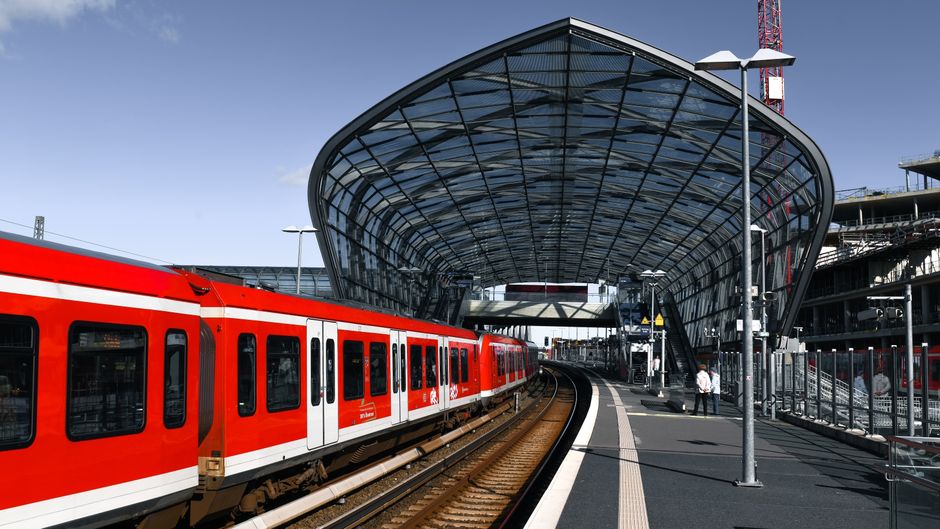
Accessing free public Wi-Fi is a convenient option for tourists in Germany, widely available in most major cities, at all major train stations operated by Deutsche Bahn, and within airports. Many cafes, restaurants, and hotels also offer complimentary Wi-Fi, though it often requires a simple registration process or a purchase.
For travelers from other EU countries, EU roaming regulations are a significant advantage, allowing them to use their home country’s mobile plan data, calls, and texts in Germany without incurring extra charges, subject to fair usage limits. This eliminates the need for a local SIM card for many European visitors, simplifying their connectivity.
A particularly useful resource is the ‘Free WiFi’ service offered by Deutsche Bahn at all major train stations and on many ICE trains; simply look for ‘WIFIonICE’ or ‘Telekom HotSpot’ networks, which typically require only a quick email registration. Additionally, some services like the Free Now taxi app may offer in-car Wi-Fi, adding another layer of convenience for staying connected on the go.
Tips for Getting Connected
To ensure a smooth experience with Germany internet for tourists, consider purchasing a prepaid SIM card directly from official stores of major providers like Telekom or Vodafone, or at larger supermarkets such as Rewe or Edeka. This approach often provides better support and simplifies the necessary registration process, avoiding potential issues with smaller, independent kiosks.
For short trips or if your smartphone supports the technology, an eSIM offers unparalleled convenience. Providers like Airalo or Holafly allow you to purchase and activate an eSIM before your arrival, granting you immediate internet access upon landing and bypassing the complexities of local SIM card registration entirely. This ensures you are connected from the moment you step off the plane.
Leverage the extensive free Wi-Fi network available, especially the ‘Free WiFi’ service provided by Deutsche Bahn at all major train stations and on many ICE trains. Look for ‘WIFIonICE’ or ‘Telekom HotSpot’ networks and complete the simple email registration to stay connected while traveling across the country. Combining these strategies will ensure you remain seamlessly connected throughout your German adventure.