
VAT Refunds for Non-EU Shoppers
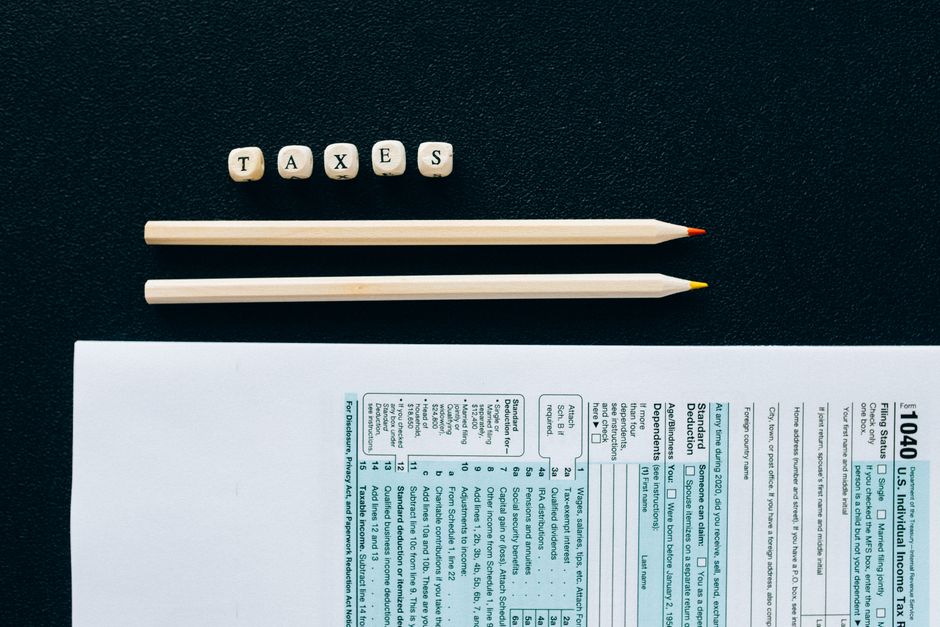
Germany implements a standard Value Added Tax (VAT) rate of 19% on most goods, with a reduced rate of 7% applied to specific items such as food, books, and public transport. Non-EU residents are eligible to claim a refund on this VAT, making high-value purchases particularly attractive. While the legal minimum for a VAT refund is 50 EUR per receipt, many retailers and tax refund providers like Global Blue (globalblue.com) and Planet Payment often set a practical minimum of 25 EUR per transaction.
To ensure a smooth refund process, always request a ‘Tax Free Form’ (Steuerfreier Einkauf) at the point of purchase, confirming that your total meets the minimum threshold before you leave the store. This crucial step is an essential part of any comprehensive Shopping in Germany Guide for international visitors.
German Shopping Hours & Best Sales Seasons
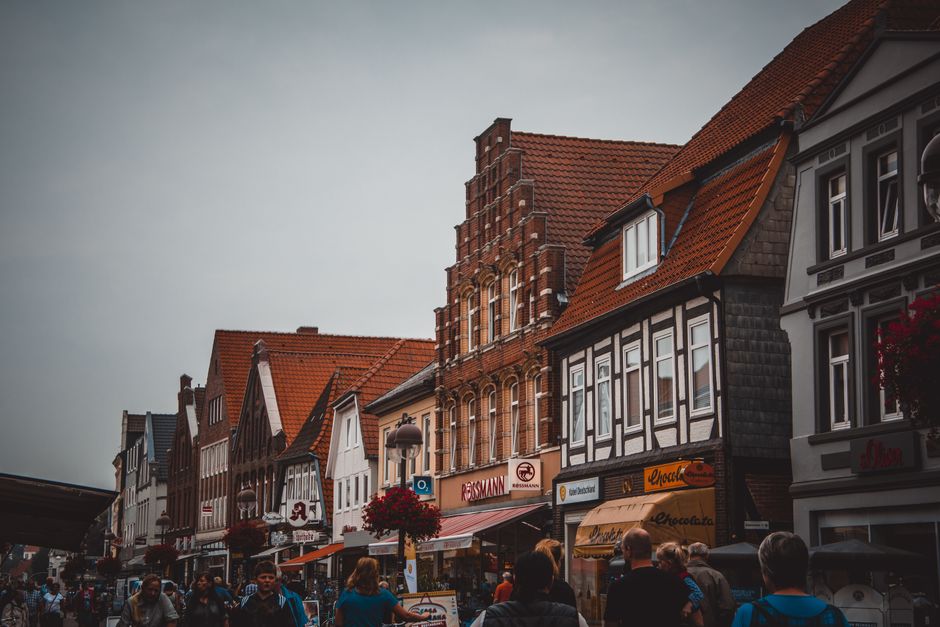
Most German retail shops operate from Monday to Saturday, typically opening between 9:00 AM or 10:00 AM and closing around 8:00 PM. It is important to note that shops are legally closed on Sundays, with limited exceptions primarily found in major train stations, airports, and designated tourist areas. For those seeking significant discounts, planning your visit around the traditional ‘Winterschlussverkauf’ (winter sales) from late January to mid-February, or the ‘Sommerschlussverkauf’ (summer sales) from late July to mid-August, is highly recommended as retailers clear seasonal stock.
These periods offer excellent opportunities to explore renowned department stores like Galeria Karstadt Kaufhof, Berlin’s KaDeWe, or Munich’s Oberpollinger, alongside popular shopping streets such as Kurfürstendamm in Berlin, Königsallee in Düsseldorf, Zeil in Frankfurt, and Kaufingerstraße in Munich. This detailed Shopping in Germany Guide helps you maximize your retail experience, whether you are looking for items from German brands like Birkenstock, Adidas, Puma, Nivea, Haribo, or Faber-Castell, or exploring electronics at MediaMarkt and Saturn.

Payment Methods: Cash, Card & Girocard
When shopping in Germany, it is crucial to understand the prevalent payment methods to ensure a seamless transaction experience. Cash, known as ‘Bargeld’, and the local EC-Karte, also referred to as Girocard, are universally accepted across the country, from large supermarket chains like Aldi, Lidl, Edeka, Rewe, and Kaufland to smaller independent shops. While credit card acceptance is steadily increasing, it is not yet universal, particularly in smaller establishments such as bakeries, local cafes, or some specialty stores.
For this reason, it is always advisable to carry some cash for minor purchases, ensuring you are prepared for any situation. The EC-Karte (Girocard) remains the most common local card, widely used by German residents for everyday transactions.
Understanding Germany’s Pfand System
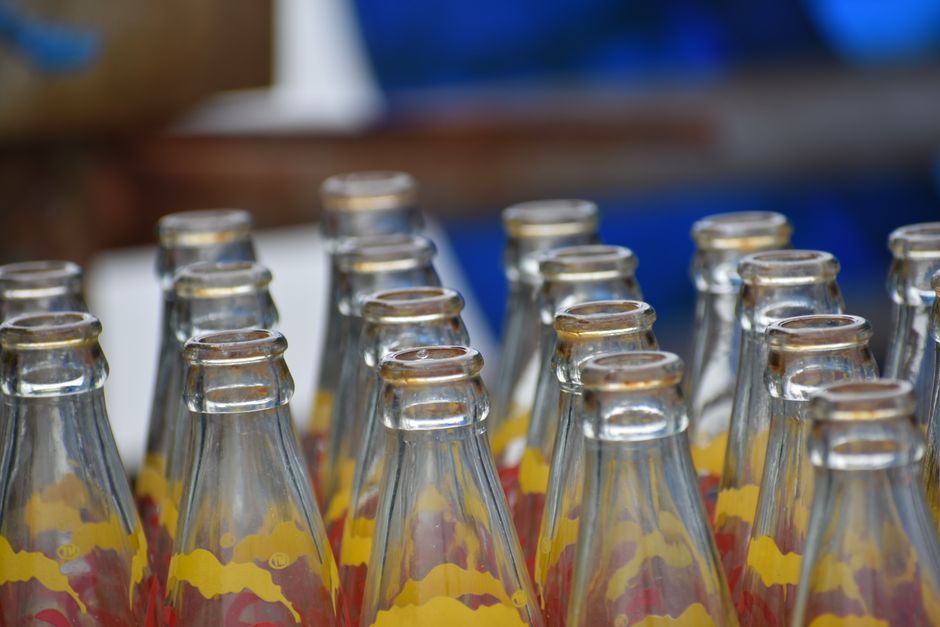
Germany operates an efficient and environmentally conscious ‘Pfand’ system, which is a deposit scheme for most plastic and glass bottles, as well as aluminum cans. This system is designed to encourage recycling and reduce waste, contributing to Germany’s strong ecological initiatives. The deposit amount typically ranges from 0.08 EUR to 0.25 EUR per item, depending on the type and size of the container.
Customers can easily reclaim their ‘Pfand’ deposit by returning these empty containers to any supermarket, regardless of where the original purchase was made. Automated machines are commonly available in stores for this purpose, providing a quick and convenient refund.