
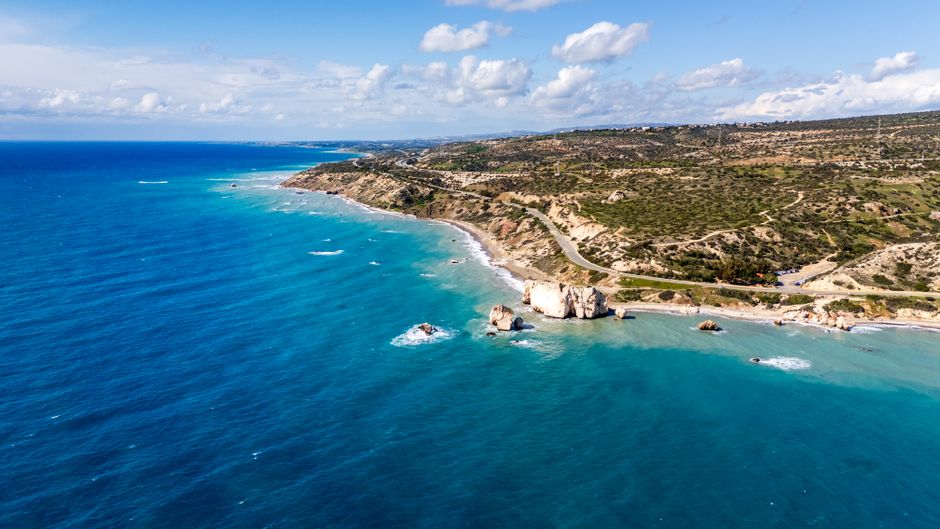
Cyprus Weather by Season
Cyprus boasts a remarkable climate, experiencing over 320 sunny days annually, positioning it as one of Europe’s sunniest destinations. The summer season, spanning from June to September, brings average daytime temperatures ranging from a warm 30°C to 35°C along the coast, frequently soaring above 40°C in the island’s interior. During these months, the inviting sea temperatures typically hover between 24°C and 28°C, perfect for swimming and water sports.
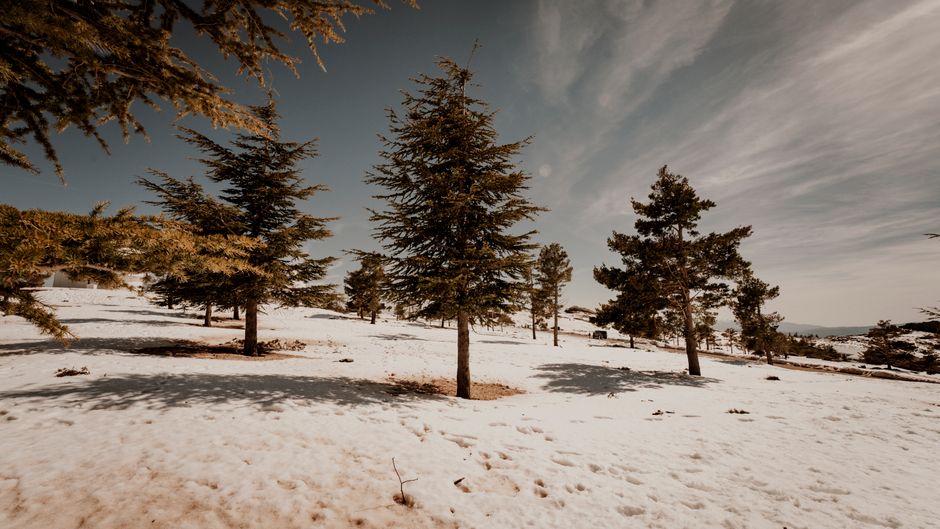
Winter, from December to February, offers a milder coastal experience with daytime temperatures averaging 10°C to 17°C, while the majestic Troodos Mountains transform into a snowy wonderland, providing opportunities for skiing. Sea temperatures remain relatively mild at 16°C to 19°C, making it suitable for those who enjoy cooler dips. This comprehensive Cyprus weather guide highlights the distinct seasonal variations.
For travelers seeking comfortable conditions for hiking and extensive sightseeing, spring (April-May) and autumn (October-November) are ideal. During these shoulder seasons, temperatures are pleasantly mild, generally between 20°C and 28°C, and the landscape is vibrant and green, offering a refreshing contrast to the intense summer sun.
Sunshine, UV Index & Sun Protection
With over 320 sunny days each year, Cyprus truly lives up to its reputation as a sun-drenched island, but this abundant sunshine necessitates diligent sun protection. The UV index during summer, specifically from June to August, consistently reaches ‘Very High’ to ‘Extreme’ levels, often registering 9-11+.
Visitors must prioritize strong sun protection to safeguard their health. It is crucial to always carry a high-SPF sunscreen, with SPF 30+ being the recommended minimum, along with a wide-brimmed hat and quality sunglasses. This protection is essential even on seemingly cloudy days, as UV radiation remains consistently high from May through September.
To effectively manage the intense summer heat, particularly in July and August, plan all outdoor activities for the early mornings before 10:00 AM or late afternoons after 5:00 PM. Always seek shade during the midday hours to prevent heat exhaustion and sunburn, ensuring a safe and enjoyable experience under the Cypriot sun.

Rainfall and Local Winds
Cyprus experiences a Mediterranean climate characterized by dry, hot summers and mild, wet winters. The annual rainfall averages between 400-600mm across the island, with a significant 80% of this precipitation occurring between November and March. Coastal areas generally receive less rainfall compared to the island’s interior and mountainous regions.
Beyond rainfall, local wind patterns play a crucial role in the Cyprus weather guide, particularly during the summer months. The prominent ‘Meltemi’ winds, also known as Etesian winds, are a significant feature, affecting coastal conditions and providing a welcome breeze, especially for those engaging in water sports.
For up-to-date information on wind and sea conditions, especially relevant for coastal activities, resources like Windy.com are widely popular. For official and comprehensive meteorological data, the Cyprus Department of Meteorology, accessible via their official website www.moa.gov.cy/moa/dm/dm.nsf, provides reliable forecasts and climate insights.

Best Time to Visit Cyprus & Heat Safety
Determining the best time to visit Cyprus largely depends on your preferred activities and tolerance for heat. For comfortable hiking, sightseeing, and exploring the island’s rich history, spring (April-May) and autumn (October-November) are highly recommended. During these periods, temperatures are mild, typically ranging from 20-28°C, and the landscape is lush, offering ideal conditions away from the intense summer sun.
If your primary goal is beach relaxation and swimming, the summer months from June to September are perfect, but extreme heat safety measures are paramount. To avoid the peak summer heat, especially in July and August, schedule outdoor excursions for early mornings before 10:00 AM or late afternoons after 5:00 PM, and always prioritize seeking shade during midday.
Regardless of the season, always carry a high-SPF sunscreen (SPF 30+ minimum), a wide-brimmed hat, and sunglasses, as UV radiation remains consistently high from May to September. For reliable local forecasts and to plan your activities effectively, consult trusted sources like AccuWeather or the official Cyprus Department of Meteorology website at www.moa.gov.cy/moa/dm/dm.nsf.