
Essential Facts for Travelers
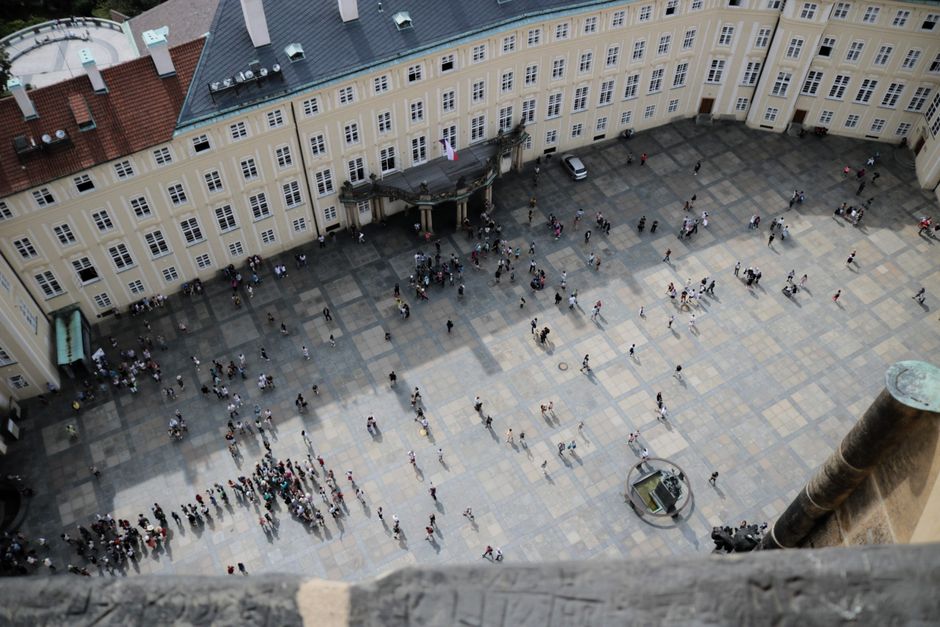
The Czech Republic, a captivating Central European nation, boasts a population of approximately 10.7 million people as of 2023, with its vibrant capital, Prague (Praha), home to about 1.3 million urban residents. This comprehensive Czech Republic travel guide highlights that the official language is Czech, though English is widely spoken in major tourist areas, particularly in Prague, ensuring ease of communication for international visitors. As a proud member of the Schengen Area since 2007, the country offers seamless, visa-free travel for eligible visitors within the zone, simplifying European itineraries.
Travelers should note that the standard Value Added Tax (VAT) rate is 21% on most goods and services, with reduced rates of 15% applied to items like food and non-alcoholic beverages, and a further reduced 10% on essentials such as books and medicines. The nation operates on Central European Time (CET, UTC+1) and observes Central European Summer Time (CEST, UTC+2), which is crucial for planning arrivals and departures. For official information and planning, the CzechTourism website at www.czechtourism.com serves as an invaluable resource.

Currency, Exchange & Tipping
The official currency throughout the Czech Republic is the Czech Koruna (CZK), and understanding its exchange rate is vital for any Czech Republic travel guide. As of late 2023 and early 2024, visitors can expect approximately 24-25 CZK for 1 EUR and 22-23 CZK for 1 USD, though rates fluctuate. A critical insider tip is to avoid exchanging money at private exchange offices in tourist areas, especially those advertising “0% commission,” as they often feature highly unfavorable exchange rates that can significantly diminish your spending power.
For the best rates and security, always use ATMs from reputable banks such as Česká spořitelna, Komerční banka, or Raiffeisenbank, or opt to pay by card whenever possible. Regarding tipping, it is customary to leave 5-10% in restaurants if the service is satisfactory; for cafes and bars, simply rounding up to the nearest 10 CZK or 20 CZK is a common practice. Always verify if a service charge has already been included in your bill before adding an additional tip.
Navigating Public Transport
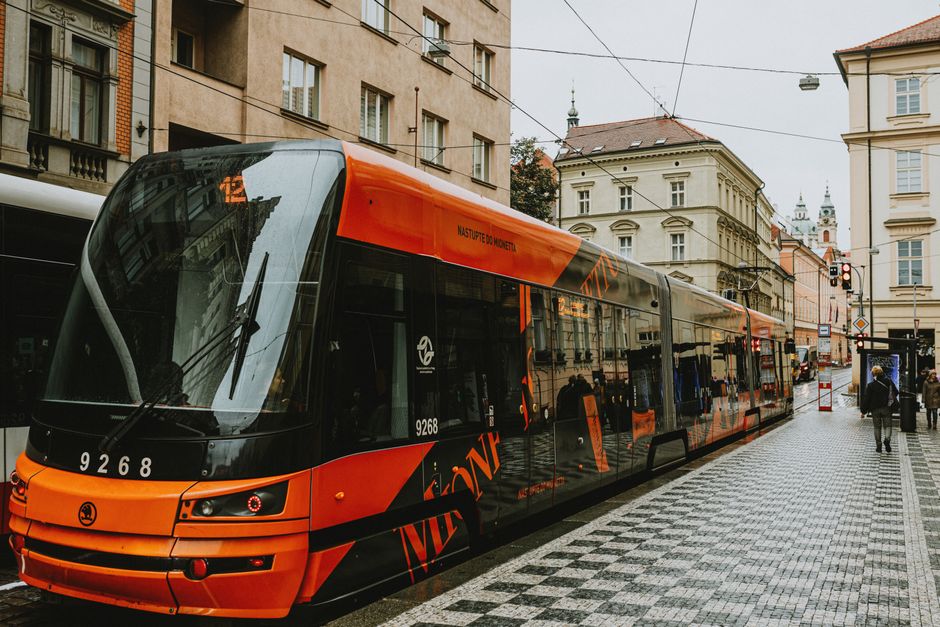
Efficiently navigating the Czech Republic’s cities, especially Prague, is made simple by its excellent public transport system, known as MHD. For travelers in Prague, the official ‘PID Lítačka’ mobile app is an indispensable tool for purchasing and managing tickets, offering a convenient digital solution. Alternatively, tickets can be acquired from the distinctive yellow machines located at metro stations or from newsstands throughout the city.
It is absolutely crucial to validate your public transport ticket immediately upon entry onto a tram, bus, or before entering the metro platform to avoid substantial fines. Inspectors frequently check for validated tickets, and failure to comply can result in penalties up to 1500 CZK, which is approximately 60 EUR, making proper validation a non-negotiable step for all passengers. Major mobile network operators like O2 Czech Republic, T-Mobile Czech Republic, and Vodafone Czech Republic ensure reliable connectivity for using such apps.

Key Services & Local Insights
For comprehensive travel planning and up-to-date information, the official tourism website, CzechTourism at www.czechtourism.com, is the definitive resource, offering extensive details on attractions, events, and practical advice. Travelers considering flights can look to Czech Airlines (CSA Czech Airlines – www.csa.cz), the national carrier, for various routes and services. Connectivity for mobile devices is robust, supported by major network operators including O2 Czech Republic, T-Mobile Czech Republic, and Vodafone Czech Republic, ensuring seamless communication.
Beyond practicalities, the Czech Republic is rich in cultural heritage, famously known as the birthplace of Pilsner Urquell, the world-renowned national beer brand, inviting visitors to explore its brewing traditions. The country also reveres historical figures such as Charles IV (Karel IV.), the Holy Roman Emperor and King of Bohemia, whose legacy profoundly shaped the nation’s architecture and identity, particularly visible in Prague. These elements collectively offer a deeper understanding of the Czech experience.