
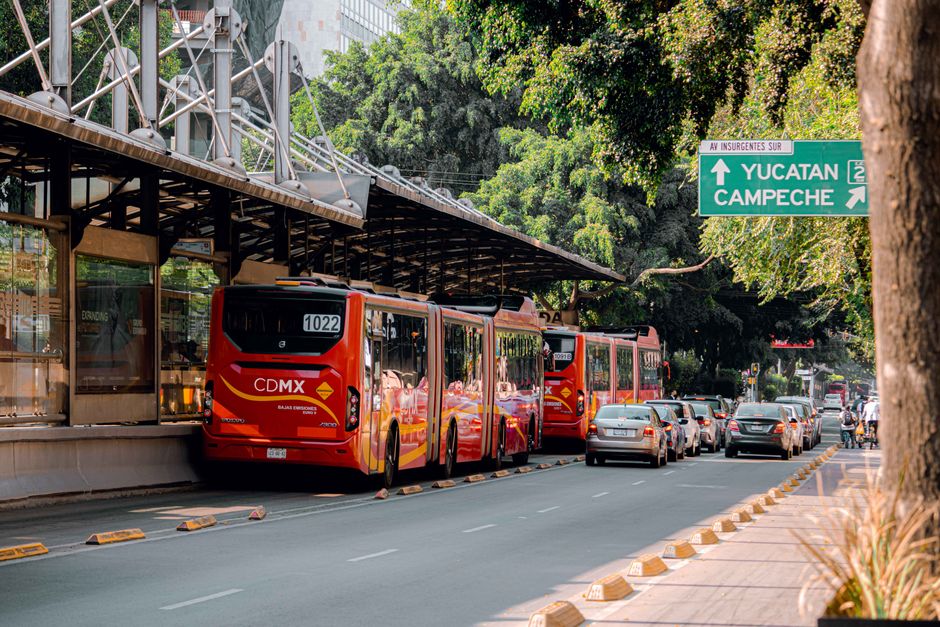
Public Transport in Major Cities
Navigating Mexico’s bustling urban centers is remarkably efficient and affordable, particularly when utilizing the extensive public transport networks. In Mexico City, for instance, the Metro CDMX, accessible via metro.cdmx.gob.mx, and the Metrobús CDMX, detailed at metrobus.cdmx.gob.mx, form the backbone of urban transit. A single ride on either system costs a mere MXN 5.00, approximately USD 0.28, making it an incredibly economical option for residents and visitors alike. For seamless travel across these integrated systems, it is highly recommended to purchase a rechargeable ‘Tarjeta de Movilidad Integrada’ for MXN 15-20 at any station, an essential tip for anyone consulting a comprehensive Mexico transport guide.

Ride-Sharing & Taxis: Safety and Fares
For convenient and secure personal transport in major Mexican cities, ride-sharing applications like Uber (uber.com), Didi (didiglobal.com), and Cabify (cabify.com) are widely available and highly recommended. A typical short ride-share trip generally costs between MXN 50-100, equivalent to approximately USD 2.80-5.60, offering transparent pricing and enhanced safety features. When arriving at Mexico City International Airport (MEX), an airport taxi or ride-share to the city center typically ranges from MXN 250-400, or about USD 14-22. Always prioritize these apps or official ‘Sitio de Taxis’ found at designated stands, airports, and bus terminals, and avoid hailing unmarked taxis directly from the street to ensure a safe journey, a crucial piece of advice in any Mexico transport guide.

Intercity Bus Travel & Toll Roads
Intercity bus travel stands as Mexico’s most popular and reliable mode for traversing between cities, offering a range of services from economic to luxury. Major carriers such as ADO (ado.com.mx), Primera Plus (primeratplus.com.mx), and ETN Turistar Lujo (etn.com.mx) provide extensive routes and comfortable journeys. For example, a two-hour trip from Mexico City to Puebla typically costs MXN 200-350, approximately USD 11-20, depending on the service level. For coastal destinations, ferry services like Ultramar (ultramarferry.com) connect popular spots in Quintana Roo, including Cancun, Playa del Carmen, and Cozumel. Travelers opting for private vehicles should be aware of toll roads, known as ‘cuota,’ which are well-maintained but can add significant costs; a one-way trip from Mexico City to Acapulco, for instance, incurs approximately MXN 800-900 (USD 45-50) in tolls.

Driving in Mexico: Fuel & Regulations
Driving in Mexico offers unparalleled flexibility for exploring diverse landscapes, but it requires careful attention to local regulations and fuel costs. The average price for regular gasoline, known as Magna, across Mexico is currently MXN 22-24 per liter, which translates to approximately USD 1.25-1.35 per liter. A critical regulation to observe in Mexico City is the ‘Hoy No Circula’ program, which restricts vehicle circulation one day a week from 5 AM to 10 PM based on the last digit of the license plate; this program notably affects rental cars. Understanding these nuances is vital for anyone planning to drive, ensuring a smooth experience as part of their comprehensive Mexico transport guide.