
Chasing the Sun: Unveiling Poland’s Summer Charms
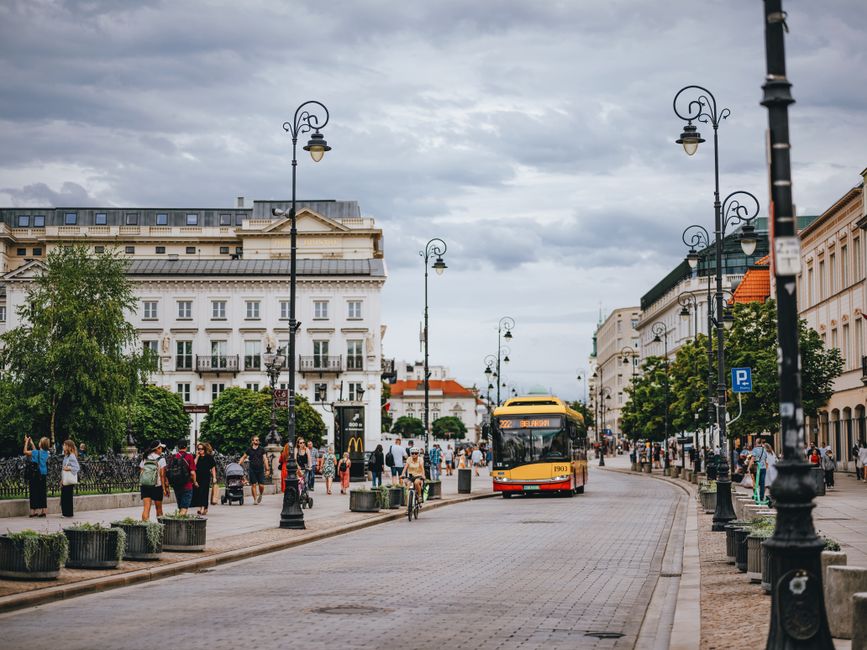
Imagine yourself basking in the glorious Polish sunshine, perhaps exploring the vibrant streets of Warsaw where average summer temperatures from July to August dance delightfully between 18°C and 22°C (64°F to 72°F). While you’ll enjoy plenty of balmy days perfect for outdoor cafes and Vistula River strolls, be ready for those occasional sizzling heatwaves that can push the mercury above a thrilling 30°C (86°F), making a cool drink and a shady spot absolutely essential.
If your heart yearns for the sea, the Baltic Sea coast around Gdańsk and Sopot offers a refreshing escape with its maritime influence, promising cooler summers and a gentle breeze. Here, August sea temperatures typically reach a pleasant 18°C to 22°C (64°F to 72°F), perfect for a dip, but remember to pack a light jacket or sweater for those enchanting evenings when the air can cool down significantly after a sun-drenched day.
For the adventurous soul, the Mazury Lake District in June boasts an incredible 250-270 hours of sunshine, inviting you to sail, kayak, and soak up the rays. However, even in summer, places like Kraków receive an average annual rainfall of approximately 670 mm (26.4 inches), with July often being the wettest month due to invigorating summer thunderstorms, especially if you’re planning a hike in the majestic Tatry Mountains where waterproof gear is always a smart move. This comprehensive Poland weather travel guide ensures you’re ready for every sunbeam and every refreshing shower!
Embracing the Chill: Winter Wonderland Adventures in Poland
Prepare to be utterly captivated by Poland’s winter wonderland, where crisp air and snow-dusted landscapes create a truly magical atmosphere for your next adventure. If you’re dreaming of a classic winter escape, Zakopane in January is your destination, with average temperatures gracefully hovering between -5°C and -8°C (18°F and 23°F). This is when the Tatry Mountains truly come alive, often boasting heavy snowfall that can exceed a meter, transforming the alpine climate into a breathtaking snowy paradise.
For all you winter sports enthusiasts, January and February are absolutely prime for experiencing the most reliable snow cover and exhilarating conditions in both the Tatry and Beskidy mountains. Imagine carving through fresh powder or sipping a warm, aromatic mulled wine after a day on the slopes – it’s an experience that will warm your soul even in the chilliest temperatures. This part of our Poland weather travel guide is your ticket to embracing the frosty beauty!

Beyond Summer & Winter: Discovering Poland’s Golden Autumn & Lively Spring
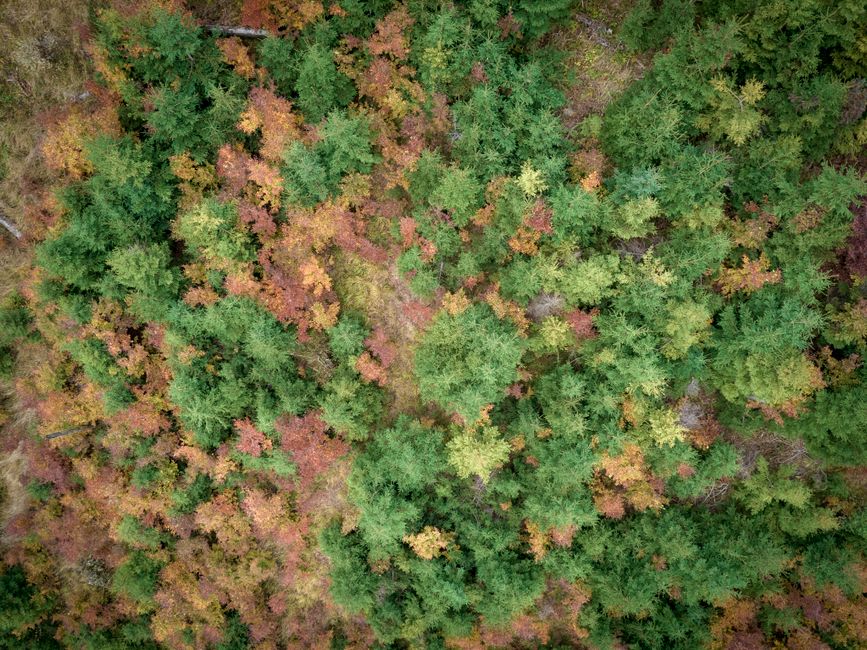
Beyond the extremes of summer and winter, Poland unveils two more spectacular seasons that are simply begging to be explored. You absolutely must experience the ‘Złota Polska Jesień’, or Golden Polish Autumn, a truly enchanting period usually from late September to mid-October. Picture stable, sunny weather with a gentle crispness in the air, as daytime temperatures often settle around a comfortable 10°C to 15°C (50°F to 59°F), painting the landscapes in fiery hues of red, orange, and gold.
Then there’s the lively Polish spring, typically from April to May, a time of vibrant rebirth and blossoming beauty. If you’re venturing into central Poland during this season, be prepared for highly variable conditions; one moment you could be basking in warm sunshine, and the next, a sudden cold snap or refreshing rain shower might surprise you. Layering your clothing is absolutely crucial to stay comfortable and ready for whatever delightful weather spring decides to throw your way, making this Poland weather travel guide your ultimate companion.

Packing Smart: Your Essential Guide to Polish Weather
Navigating Poland’s wonderfully diverse climate means packing smart is your secret weapon for an unforgettable trip! Forget rigid outfits; embrace the art of layering, which allows you to adapt seamlessly to the day’s unfolding weather story. Think versatile pieces that can be added or removed, ensuring you’re comfortable whether you’re exploring sun-drenched city squares or cozying up in a charming cafe.
For summer adventures, light clothing is key, but always tuck in a light jacket for those cooler Baltic coast evenings or a waterproof layer if you’re hiking the Tatry Mountains and anticipating a sudden afternoon thunderstorm. Winter sports enthusiasts, you know the drill: thermal layers, waterproof outerwear, and sturdy boots are non-negotiable for reliable snow cover in January and February. And for the unpredictable beauty of spring, remember that crucial layering advice; you might experience warm sunshine, a brisk wind, and a refreshing shower all in one day!
Ultimately, this Poland weather travel guide empowers you to be prepared for every delightful twist and turn. Always check the local forecast closer to your departure, but with these insights, you’re all set to pack like a pro and fully immerse yourself in every incredible moment Poland offers, no matter the season.