
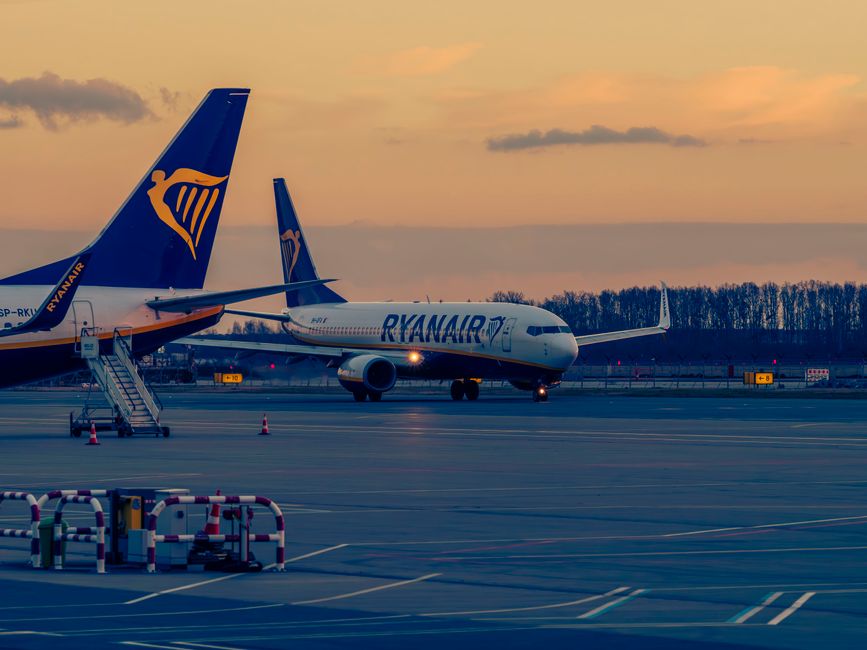
What’s Your Flight Delay Worth in Poland?
Imagine you’ve planned your dream trip to Poland, perhaps to wander through Krakow’s Old Town or explore the vibrant streets of Warsaw, only for your flight to hit an unexpected snag. Don’t let a delay dampen your spirit, because under EU Regulation EC 261/2004, you could be entitled to significant compensation! If your flight arrives at its final destination at least three hours late, you’re looking at fixed amounts: a cool €250 for journeys up to 1,500 km, €400 for those between 1,500 km and 3,500 km, and a generous €600 for flights stretching over 3,500 km.
It’s crucial to know that your window for claiming this Poland flight compensation isn’t endless; typically, you have one year from your flight date to file, though some legal interpretations might extend this to two or even three years under specific civil code articles. This means you need to act swiftly and decisively to secure what’s rightfully yours. Understanding these details empowers you, transforming a frustrating delay into a potential financial win for your next adventure.

Beyond the Payout: Your Rights When Stranded in Poland
When your travel plans hit a bump in Poland, it’s not just about potential compensation; airlines also have immediate obligations to you. For delays exceeding two hours on short-haul flights, three hours on medium-haul, and four hours on long-haul journeys, the airline must provide ‘care’ – think delicious meals, refreshing drinks, and even accommodation if an overnight stay becomes necessary. This applies whether you’re flying with LOT Polish Airlines, Ryanair, Wizz Air, or any other carrier operating under EU rules.
Always be proactive: keep your boarding pass and booking confirmation handy, as these are your golden tickets for any claim. If you find yourself delayed, ask the airline staff for the specific reason in writing; this helps verify if the cause was an ‘extraordinary circumstance’ like severe weather, which might exempt them from compensation but not from providing care. Document everything – snap photos of airport screens showing the delay, and hold onto receipts for any unexpected expenses you incur if the airline fails to provide the promised amenities. Your meticulousness now can save you headaches later!
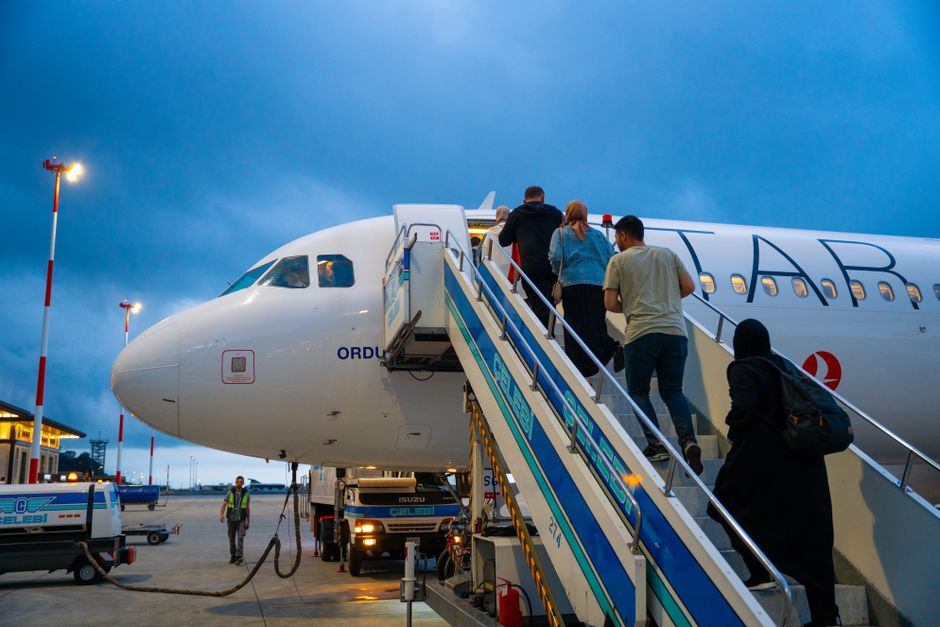
Ready to Claim? Navigating the Polish Skies
So, you’ve faced a delay and you’re ready to claim your Poland flight compensation – fantastic! The first step is always to gather your evidence: your boarding pass, booking confirmation, and any notes or photos you took about the delay are invaluable. Remember to ascertain the reason for the delay; if it was due to an ‘extraordinary circumstance’ such as severe weather or political instability, the airline might be exempt from paying compensation, but they still owe you care.
If you’re feeling a bit overwhelmed by the process, don’t worry, you’re not alone! Many travelers turn to specialized services like AirHelp or Flightright. These companies streamline the claim process for you, often working on a ‘no win, no fee’ basis, taking the stress out of navigating the legalities. They can be a fantastic resource, ensuring you get the compensation you deserve without the hassle.

When Direct Talk Fails: Engaging Poland’s Aviation Watchdog
Sometimes, despite your best efforts, direct communication with the airline just doesn’t yield the results you’re hoping for. When that happens, it’s time to bring in the big guns: Poland’s national enforcement body, the Urząd Lotnictwa Cywilnego (ULC), also known as the Polish Civil Aviation Authority. This powerful entity offers a free mediation service, acting as a crucial advocate for your rights.
You can easily download their official complaint form directly from their website, ULC.GOV.PL. The best part? You can submit your complaint in either Polish or English, making the process accessible for international travelers like you. Don’t hesitate to leverage this invaluable resource if you hit a wall; the ULC is there to ensure airlines uphold their responsibilities and that you receive fair treatment under EU regulations.