
Unlocking Iceland’s Roads: Your Essential Pre-Trip Checklist
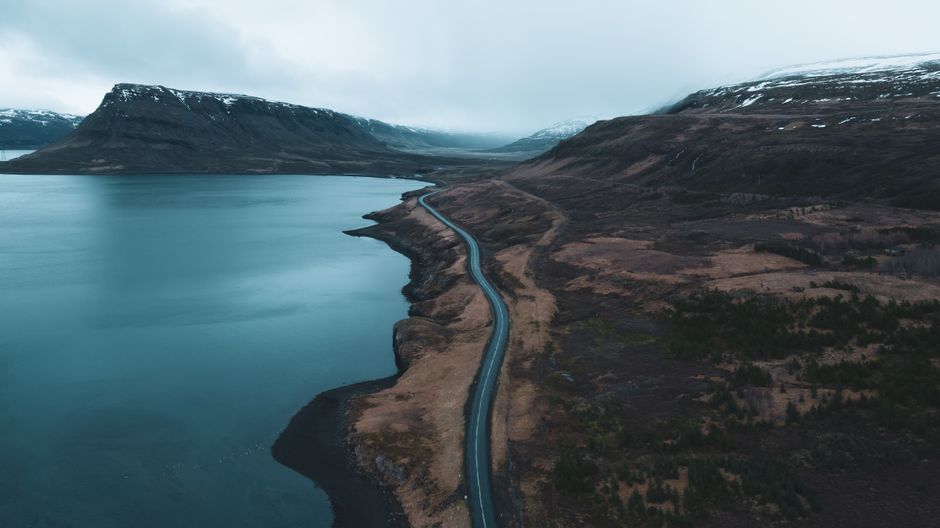
Before you even dream of hitting the open road in Iceland, a little savvy preparation goes a long way to ensure your adventure is smooth and unforgettable. Imagine yourself cruising along, wind in your hair, but suddenly realizing you missed a crucial detail! To truly unlock the magic of Iceland, you absolutely must get acquainted with the full scope of your journey, especially if you’re eyeing the iconic Ring Road.
This legendary Route 1, also known as Hringvegurinn, stretches an impressive 1,332 kilometers (that’s about 828 miles!) around the entire island, and trust me, you’ll want a minimum of 7-10 days to truly soak in its wonders without feeling rushed. Your ultimate secret weapon for planning is the official Vegagerðin website at www.road.is; this gem is updated hourly with real-time road conditions, closures, and even webcams, making it your go-to resource for understanding the ever-changing Iceland driving map and road conditions.
Seriously, before you even pack your bags, make it a ritual to check www.road.is regularly, especially if you’re traveling outside the peak summer months, as routes can close unexpectedly due to Iceland’s famously dramatic weather. And here’s a golden nugget of advice: always download offline maps for your entire route before you depart, because mobile data coverage can be incredibly spotty, particularly as you venture into the breathtaking Highlands or the serene East Fjords.

Your Digital Co-Pilot: Navigating Iceland with Smart Apps & GPS
Once you’re on the ground, your smartphone transforms into your ultimate co-pilot, guiding you through Iceland’s stunning landscapes. While many rental cars come equipped with a reliable Garmin or TomTom GPS unit – often for an extra 10-15 EUR per day – don’t underestimate the power of your own devices, especially when venturing off the beaten path.
Due to limited mobile data coverage outside major towns, offline map apps like Maps.me and Organic Maps are absolute lifesavers and come highly recommended for seamless navigation. These apps let you download entire regions, ensuring you never lose your way, even when your signal decides to take a vacation of its own.
A little insider tip for you: while Google Maps is fantastic for general planning, its estimated driving times can be notoriously optimistic in Iceland. Always add a generous 20-30% buffer to those estimates for photo stops, unexpected weather changes, and the slower pace you’ll encounter on gravel sections, ensuring your journey remains relaxed and enjoyable.

Mastering the Wheel: Driving Safely on Iceland’s Scenic Routes
Driving in Iceland is an experience unlike any other, offering unparalleled freedom to explore, but it also demands your full attention and respect for the unique road conditions. You’ll find that speed limits are generally 90 km/h on paved rural roads, dropping to 80 km/h on gravel roads, and a sensible 50 km/h in urban areas.
Remember, Iceland’s weather can change in an instant, transforming a sunny drive into a challenging one with strong winds, snow, or ice, even outside of winter. This is precisely why keeping an eye on the Iceland driving map and road conditions via Vegagerðin (www.road.is) is not just a suggestion, but a crucial safety measure to keep you and your fellow adventurers safe.
Always drive with your headlights on, even in broad daylight, and be prepared for sheep and other wildlife to appear on the road without warning. Embrace the journey, but always prioritize safety, allowing yourself plenty of time to react to the road and the breathtaking scenery around you.
Beyond the Pavement: Conquering the Ring Road & F-Roads
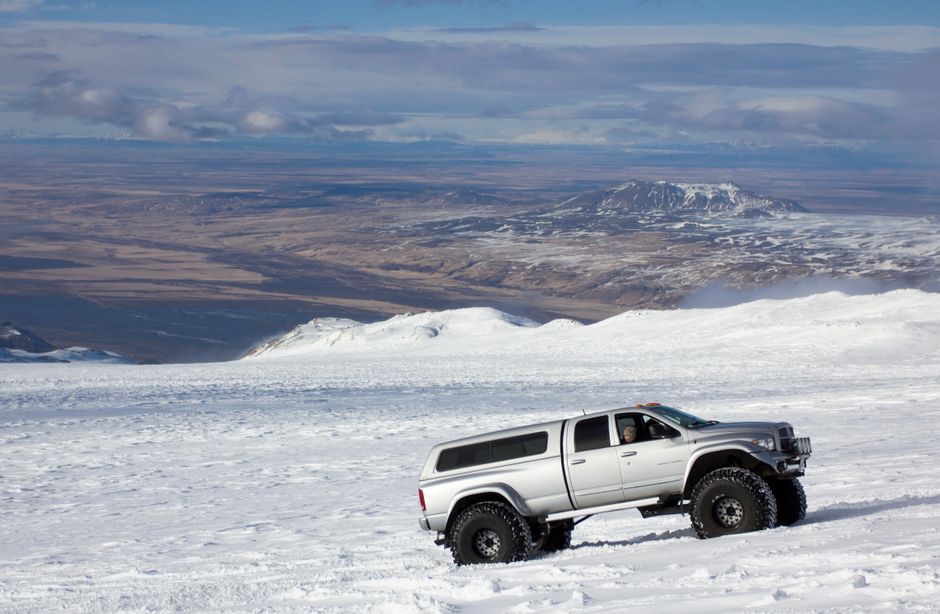
Your Icelandic road trip dreams probably include conquering the famous Ring Road, a journey that promises endless vistas and unforgettable moments, typically requiring a minimum of 7-10 days to truly savor. But for the truly intrepid, the F-roads beckon – these are the rugged mountain roads that lead to some of Iceland’s most remote and spectacular natural wonders.
If you’re planning to venture onto these challenging F-roads, a 4×4 vehicle is not just recommended, it’s legally required, and attempting them in a 2WD car will instantly void your rental insurance, putting a serious damper on your adventure. These roads are typically only open from late June to early September, so planning your trip around these dates is essential if you crave that off-the-beaten-path experience.
Always check the opening status of F-roads on www.road.is before setting out, as conditions can vary wildly. Prepare for river crossings, rough terrain, and an exhilarating drive that will reward you with unparalleled views and a profound sense of accomplishment.

Stay Safe, Stay Connected: Emergency Tools for Your Icelandic Journey
Even the most meticulously planned Icelandic adventure can encounter unexpected twists, which is why being prepared for emergencies is paramount. Your safety is our top priority, and thankfully, there are excellent tools available to keep you connected and secure, even in the most remote corners of the island.
The ‘112 Iceland’ app is an absolute must-have for your phone; this incredible application provides location services for emergencies, meaning it can pinpoint your exact whereabouts even if you don’t have a mobile signal. It’s a crucial piece of technology that offers immense peace of mind, especially when you’re exploring vast, uninhabited landscapes.
Beyond the app, always let someone know your travel plans, especially if you’re heading into the Highlands or less-traveled areas. Carry extra layers, snacks, water, and a fully charged power bank for your devices. With these precautions, you’re not just ready for an epic journey, you’re ready for a safe and truly unforgettable one.