
Chasing the Sun: Bulgaria’s Black Sea Summers & Beyond
Imagine yourself basking in glorious sunshine, the gentle lapping of waves a soothing soundtrack to your perfect getaway! Bulgaria’s Black Sea Coast, particularly around Varna and Burgas, truly comes alive in summer. You’ll find average July temperatures soaring to a delightful 27-30°C (81-86°F), with the sea itself inviting you in at a balmy 24-26°C (75-79°F).
With an incredible 10-11 hours of sunshine daily from July to August, your days will be packed with beach bliss, water sports, and exploring charming coastal towns. While the coast offers a refreshing sea breeze, remember that inland, especially in the Thracian Plain around Plovdiv, the continental climate can push summer highs past a sizzling 38°C (100°F).
If you’re planning to explore the historic sites of the Thracian Plain during peak summer, we highly recommend scheduling your sightseeing for early mornings or late afternoons to comfortably enjoy the ancient wonders. This Bulgaria weather guide ensures you’re perfectly prepared for those sun-drenched adventures, letting you soak up every moment without a hitch.

Winter Wonderland: Hitting the Slopes in Bulgaria’s Mountains
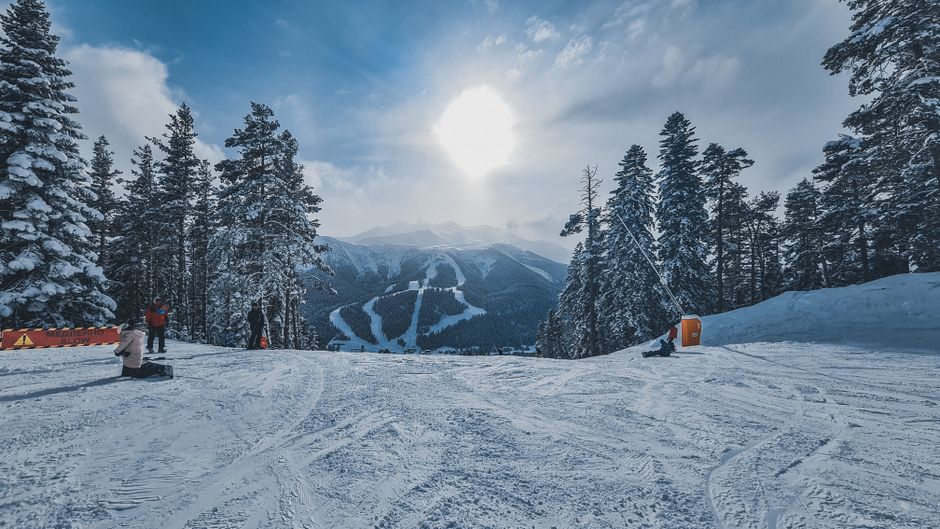
Calling all snow lovers and adrenaline junkies! Bulgaria transforms into a breathtaking winter wonderland, offering some of Europe’s most incredible skiing and snowboarding experiences. Head to world-class resorts like Bansko and Borovets, nestled in the majestic RILA and PIRIN MOUNTAINS, where average January temperatures hover between a crisp -5°C and 2°C (23-36°F).
You’ll be carving through fresh powder on slopes boasting typical snow depths of 100-200 cm at higher altitudes, promising exhilarating runs and stunning panoramic views. While sunshine hours are fewer, averaging 2-4 hours daily in the interior during December and January, the crisp mountain air and sparkling snow make for an unforgettable escape.
For your ultimate winter adventure, remember that temperatures can drop significantly, especially after sunset. Pack essential thermal base layers and quality waterproof outer shells to stay warm and dry, and always be prepared for road conditions to resorts like Bansko or Borovets, which might require winter tires or chains for safe travel.
Spring & Autumn Charms: Exploring Bulgaria’s Cities in Comfort
If you crave vibrant city life and picturesque landscapes without the summer crowds or winter chill, spring and autumn are your golden tickets to Bulgaria. Imagine strolling through the ancient streets of Sofia or Plovdiv in April and May, where average temperatures are a delightful 15-20°C (59-68°F), perfect for exploring.
Autumn, from September to October, offers a similar embrace of comfort, with pleasant temperatures and slightly less rainfall than the wetter months of May and June, which average 60-80 mm. You’ll find the cities buzzing with local life, outdoor cafes, and cultural events, all under a gentle sun.
This is the ideal time for hiking in the foothills of the RILA and PIRIN MOUNTAINS too, where the air is invigorating. For these shoulder seasons, your best strategy is to pack layers; mornings can be wonderfully crisp, while afternoons often warm up beautifully, allowing you to adapt effortlessly to the day’s unfolding charm.

Smart Packing & Local Secrets: Navigating Bulgaria’s Diverse Climate
Bulgaria’s climate is wonderfully diverse, shifting from the continental influences of the Danube Plain to the Mediterranean whispers in its southern regions, and the distinct mountain weather. Understanding this variety is key to an incredible trip, and this Bulgaria weather guide is here to make your packing a breeze.
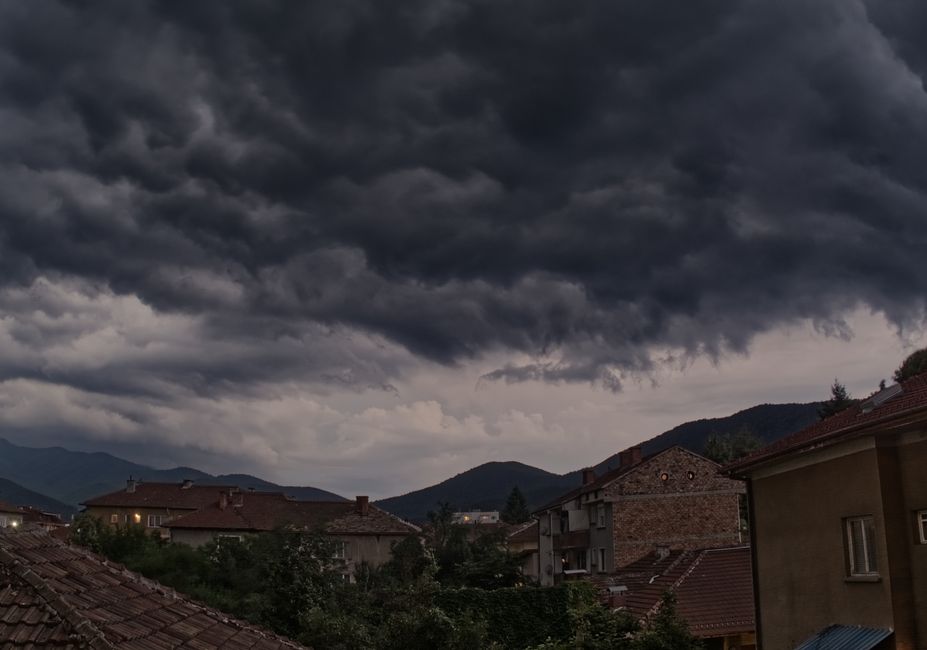
For any mountain excursions, whether summer hiking in the BALKAN MOUNTAINS or winter skiing, always remember that mountain weather is notoriously fickle. Even on a seemingly clear summer day, afternoon thunderstorms can develop rapidly, so a waterproof jacket is your non-negotiable companion. Always check local forecasts like SINOPTIK.BG before heading out.
If you’re planning a summer visit to the Thracian Plain, where temperatures can soar past 38°C (100°F), lightweight, breathable clothing is essential, and staying hydrated is paramount. Conversely, winter trips to ski resorts demand serious thermal gear and waterproof outer shells, plus awareness of road conditions that might require special tires or chains.
Embrace the layering principle for spring and autumn city breaks or hikes, as mornings can be cool and afternoons warm. By preparing for Bulgaria’s dynamic weather, you’re not just packing smart; you’re unlocking the full spectrum of experiences this incredible country has to offer, from sun-drenched coasts to snow-capped peaks.