
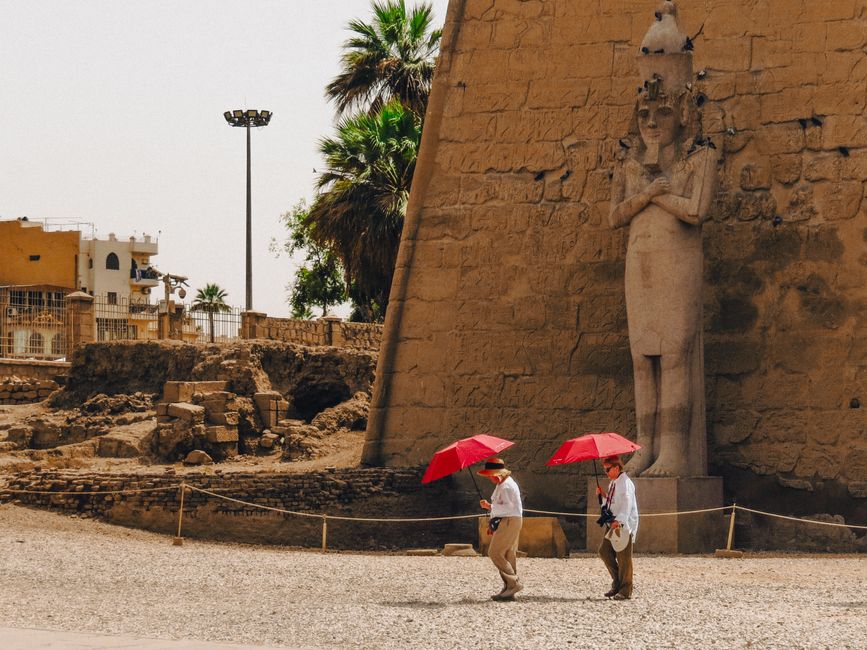
Your Lifelines in Egypt: Essential Emergency Contacts
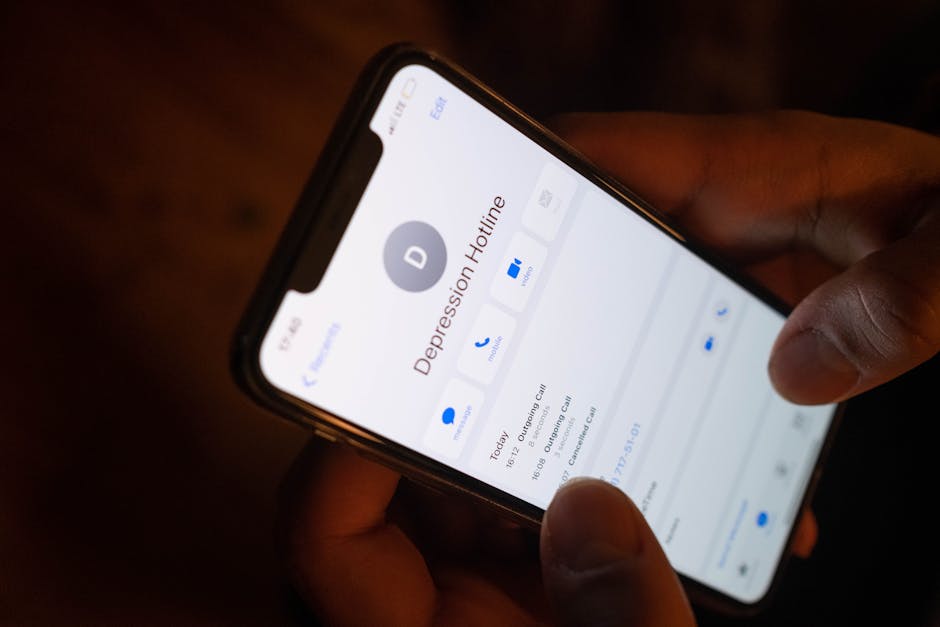
Embarking on your Egyptian adventure is thrilling, and knowing your essential lifelines ensures absolute peace of mind for your Egypt travel safety. While we always hope for smooth sailing, having these crucial numbers at your fingertips means you are prepared for anything, allowing you to fully immerse yourself in the wonders around you.
Remember these vital contacts: for immediate police assistance, dial 122; if you need an ambulance, call 123; and in case of fire, reach out to 180. These are your primary emergency services, ready to assist you swiftly across the country.
For any specific concerns or guidance as a visitor, the dedicated Tourist Police (شرطة السياحة) is your best friend, operating a 24/7 hotline at 126. You’ll be relieved to know they have English-speaking operators, making communication seamless and ensuring you receive the precise help you need, whenever you need it.
Keeping these numbers saved in your phone before you even land will empower you with confidence, knowing that help is just a quick call away should any unexpected situation arise during your incredible journey through Egypt.
Smooth Journeys & Staying Connected: Your Egypt Travel Toolkit
Navigating the vibrant streets and staying connected with loved ones is a breeze when you’re equipped with the right tools for your Egyptian escapade. For hassle-free, metered transportation, make sure to download ride-hailing apps like Uber or Careem; a typical 10km ride in bustling Cairo will only set you back approximately EGP 70-100, offering both convenience and transparent pricing.
Beyond getting around, staying connected is paramount for your Egypt travel safety and for sharing those unforgettable moments. Grab a local tourist SIM card from trusted providers like Vodafone or Orange right after you arrive.
These SIMs typically offer a generous 10-20 GB of data, costing around EGP 200-300, which is absolutely essential for seamless navigation, instant communication, and keeping your social media updated with those stunning pyramid selfies.
Having these apps and a local SIM means you’re always in control, whether you’re finding the best falafel spot or simply checking in with family, making your exploration of Egypt incredibly smooth and stress-free.
Smart Money Moves: Keeping Your Cash Safe in Egypt
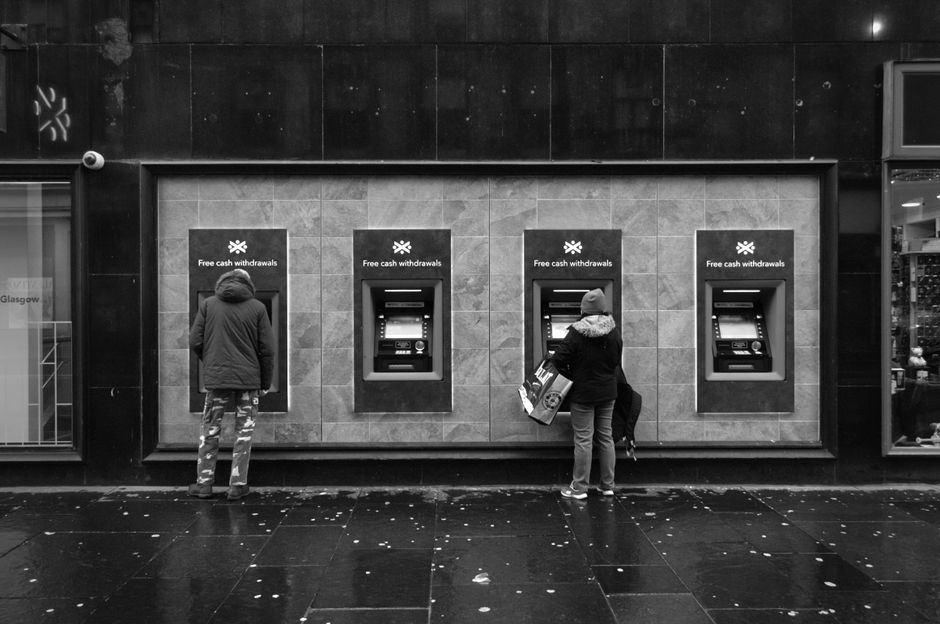
Managing your finances wisely is a cornerstone of a worry-free trip, and keeping your cash safe in Egypt is simpler than you might think with a few smart strategies. When you need to withdraw local currency, always prioritize using ATMs located inside secure bank branches or within major hotels.
These locations offer an added layer of security and peace of mind, ensuring your transactions are protected. Be aware that daily withdrawal limits typically range from EGP 4,000-8,000, depending on the specific bank, so plan your cash needs accordingly.
While credit and debit cards are widely accepted in larger establishments, having some local currency on hand is always a good idea for smaller purchases, street vendors, or local markets. By being mindful of where you access your funds, you significantly enhance your overall Egypt travel safety and financial security.
Always keep an eye on your card during transactions and consider notifying your bank of your travel plans before you depart to avoid any unexpected holds on your accounts.
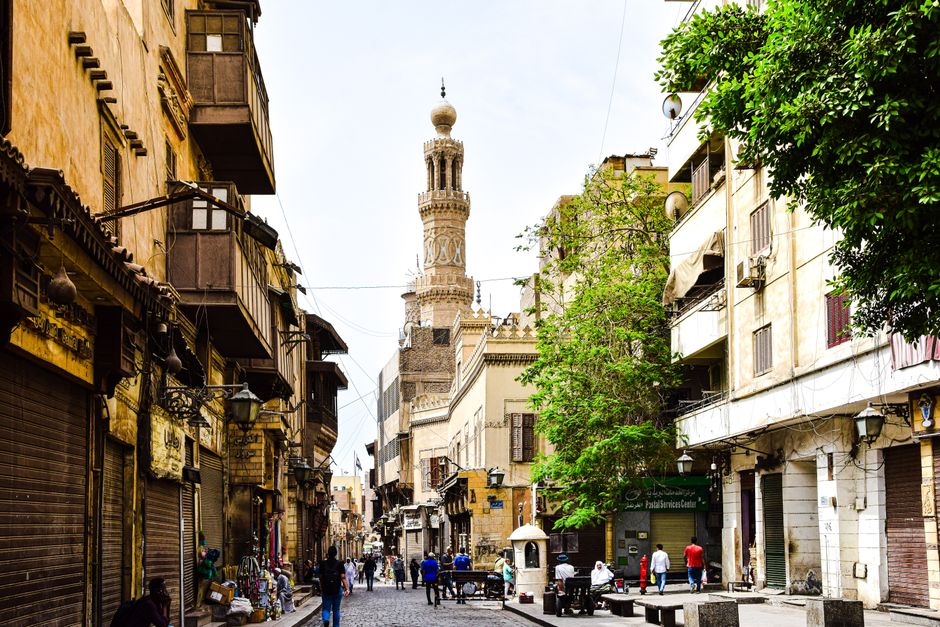
Blending In & Staying Savvy: Insider Tips for Egypt
Embracing local customs and knowing a few insider tricks will truly elevate your experience in Egypt, allowing you to blend in beautifully and navigate like a seasoned traveler. When hopping into a traditional taxi, always remember to agree on the fare *before* your journey begins, or politely insist the driver uses the meter; if they refuse, simply find another taxi or opt for a ride-hailing app like Uber or Careem.
You might encounter persistent street vendors or unsolicited ‘guides’ at popular tourist sites, but a firm yet polite ‘La, shukran’ (No, thank you) is usually all it takes to deter them effectively. Avoid prolonged engagement if you’re not genuinely interested, and you’ll find your interactions much smoother.
In bustling areas such as the vibrant Khan el-Khalili bazaar or on crowded public transport, keep your valuables secure and close to your body – front pockets or a cross-body bag held tightly are your best friends against pickpocketing.
Finally, when you visit sacred religious sites like magnificent mosques or ancient Coptic churches, show respect by dressing modestly; women should carry a headscarf to cover their hair and shoulders, and both men and women should wear clothing that covers their knees and shoulders, ensuring a respectful and enriching cultural experience.