
Treasures of the Nile: Must-Buy Souvenirs from Egypt
Get ready to fill your bags with incredible finds, because Egypt’s markets are brimming with unique treasures that will transport you right back to the land of pharaohs! Imagine unfurling a beautiful papyrus painting in your home; a typical A4 size piece from Khan el-Khalili, if authentic and well-negotiated, can range from 150 EGP to 400 EGP, but for guaranteed genuine artistry, head to the Papyrus Institute in Giza where you can see the craft firsthand.
When it comes to textiles, you absolutely must indulge in the legendary Egyptian cotton; high-quality bed sheets, like a King size with a luxurious 400-600 thread count from reputable brands such as Concrete or Rax, might cost you between 800 EGP and 2500 EGP, a worthy investment for unparalleled comfort. Don’t forget the aromatic spices! A 100g bag of premium saffron from a spice shop in Aswan or Luxor can be yours for 300 EGP to 600 EGP, while common spices like cumin or coriander are a steal at 20-50 EGP per 100g.
And for a tangible piece of history, consider a hand-carved alabaster souvenir from Luxor’s West Bank workshops; after a bit of friendly bargaining, a charming scarab or small pyramid can typically be purchased for 100 EGP to 300 EGP. This comprehensive Egypt shopping guide will ensure you bring home only the best, most memorable keepsakes.
Haggling Like a Local: Your Guide to Egyptian Bargaining
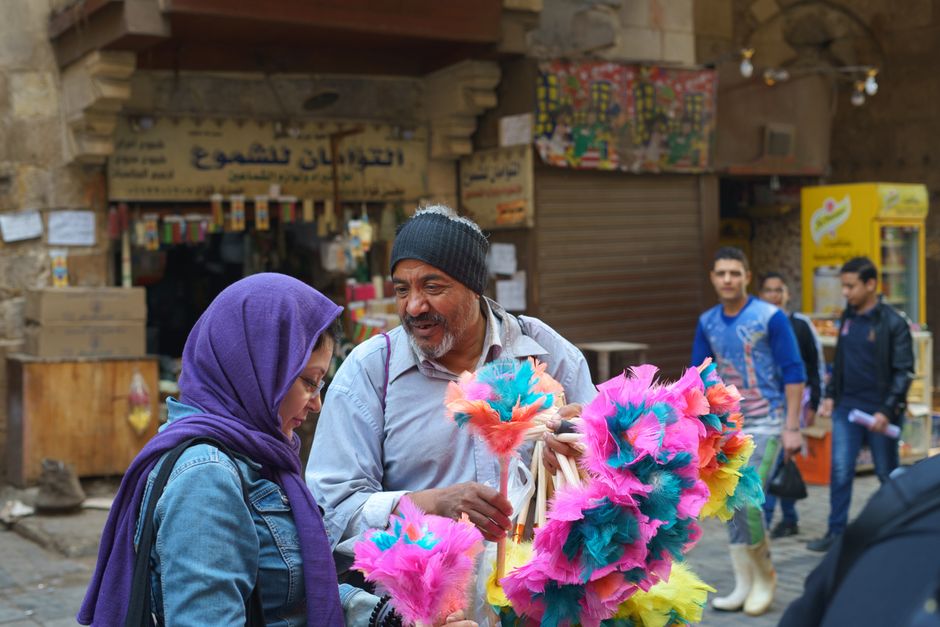
Stepping into a vibrant Egyptian souk means stepping into a world where the art of negotiation is not just a transaction, but a lively cultural dance! You’ll find that haggling is expected, especially in traditional markets like the iconic Khan el-Khalili Bazaar, and it’s truly part of the fun.
To master this skill, a fantastic starting point is to offer around 50% of the initial asking price; don’t be shy, it’s all part of the game! Your goal should be to settle somewhere in the sweet spot of 60-70% of their original offer for most items, ensuring you get a fair price while respecting the vendor’s livelihood.
Remember, a warm smile and a friendly demeanor go a long way; enjoy the back-and-forth, and you’ll not only snag some incredible deals but also create memorable interactions with local merchants.

From Bustling Souks to Modern Malls: Where to Shop in Egypt
Egypt offers a dazzling spectrum of shopping experiences, from the ancient charm of its bustling souks to the sleek modernity of its sprawling malls, ensuring there’s something for every kind of shopper. For an authentic, sensory overload, immerse yourself in traditional markets like Cairo’s legendary Khan el-Khalili, generally open from 9:00 AM to 11:00 PM daily, though some individual stalls might close earlier.
If you want to avoid the biggest crowds and perhaps snag a better deal, try visiting the bazaars early in the morning or later in the evening, when the atmosphere is a bit more relaxed. For a completely different vibe, head to one of Cairo’s impressive modern malls such as Mall of Egypt, Cairo Festival City, or City Centre Almaza, which typically welcome you from 10:00 AM to 10:00 PM on weekdays and extend their hours until 11:00 PM on weekends.
These contemporary hubs offer international brands, air-conditioned comfort, and a wide array of dining options, providing a perfect contrast to the vibrant energy of the souks. Don’t forget the glittering Gold Souk in Cairo for exquisite silver and gold jewelry, a true highlight of your Egypt shopping guide.
Savvy Shopping Secrets: Payment & Authenticity Hacks in Egypt
Navigating payment methods and ensuring the authenticity of your purchases are key to a stress-free shopping adventure in Egypt. While credit and debit cards like Visa and Mastercard are widely accepted in modern malls and larger, established stores, cash in Egyptian Pounds (EGP) is absolutely essential for traditional markets, charming street vendors, and smaller, independent shops.
Always carry a good mix of smaller denominations for easy transactions and bargaining power in the souks. When it comes to authenticity, especially for papyrus, remember to look for pieces that are flexible and don’t crack when gently rolled; genuine papyrus will have visible horizontal and vertical fibers and will never appear shiny or brittle.
For high-quality Egyptian cotton, your best bet is to purchase from established department stores or dedicated textile shops rather than market stalls, always checking for labels that indicate thread count and ‘Made in Egypt’ certification. Following these tips from your ultimate Egypt shopping guide will ensure your treasures are both genuine and great value!