
From Blazing Deserts to Coastal Breezes: Unpacking USA’s Climate Tapestry
Prepare to be absolutely captivated by the sheer diversity of climates awaiting you across the United States! From the sun-drenched beaches of California to the snow-capped peaks of Colorado, and the humid, verdant South to the crisp, clear air of New England, this vast nation truly offers a weather experience for every single season and preference. Understanding this incredible tapestry is key to planning your perfect adventure, ensuring you pack smart and stay comfortable no matter where your wanderlust takes you.
Imagine embarking on a cross-country road trip, where you could be basking in desert heat one week and exploring a misty, cool coastline the next. This incredible range means your USA weather travel guide needs to be as dynamic and adaptable as the country itself. We’re here to help you navigate these fascinating shifts, so you can focus on making unforgettable memories rather than worrying about unexpected downpours or heatwaves.
Whether you dream of chasing endless summer days or cozying up by a winter fire, the USA delivers. Each region boasts its own unique meteorological personality, promising distinct experiences that will shape your journey. Get ready to dive deep into what makes each corner of this amazing country tick, weather-wise, and how you can best prepare for your next incredible escapade.

Sun-Kissed Adventures & Monsoon Surprises: Conquering the Southwest Heat
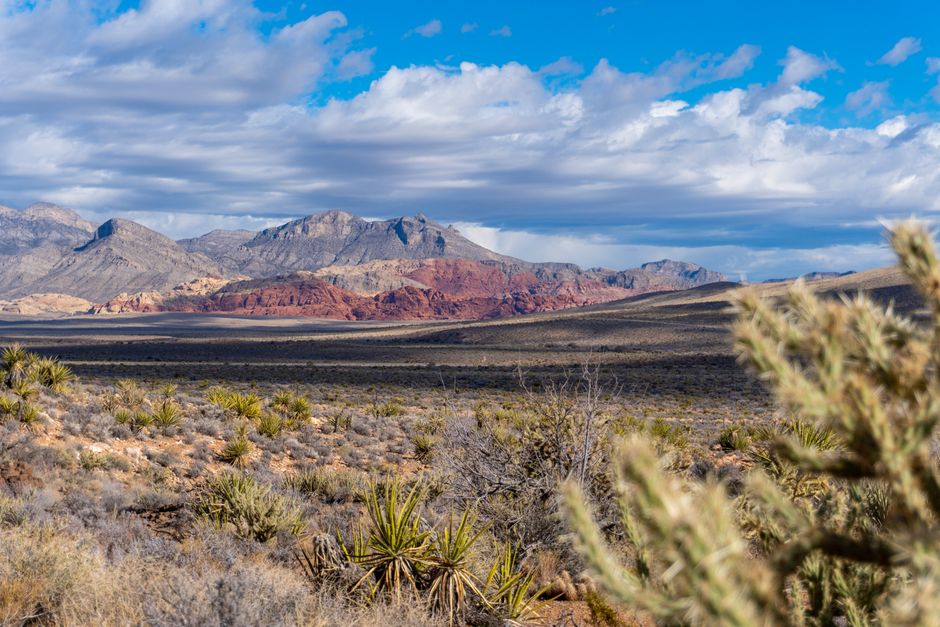
If your heart calls for the dramatic landscapes of the American Southwest, prepare for some serious sunshine and intense heat! Picture yourself in Phoenix, Arizona, where the average July temperature sizzles at 35.6°C (96.1°F), with daily highs frequently soaring past 40°C (104°F) and overnight lows rarely dropping below a balmy 26°C (79°F). It’s a dry heat, yes, but it demands respect and smart planning for your desert explorations.
When venturing into this stunning region during summer, especially places like Las Vegas, Nevada, or other parts of Arizona, always carry at least 2 liters of water per person for any outdoor activity, even short hikes, due to the extreme heat and low humidity. Plan your adventures for the cooler early mornings or evenings to truly savor the experience without battling the midday sun. This is crucial advice for any USA weather travel guide focusing on the desert.
And here’s a fascinating twist: the desert Southwest also experiences a monsoon season from mid-July to mid-September! These aren’t your gentle drizzles; expect intense, short-duration thunderstorms that can bring dramatic lightning shows and, critically, flash flood risks. Always keep an eye on local forecasts from trusted sources like the National Weather Service (NWS) or NOAA, and never drive through flooded roads. It’s an awe-inspiring natural phenomenon, but safety always comes first.

Chasing the Sun & Dodging the Storms: Coastal USA Weather Wisdom
The USA’s coastlines offer a dazzling array of weather experiences, from the famously foggy to the fiercely sunny. Imagine basking in San Francisco’s glorious September or October sunshine, when the city experiences its warmest, driest months with average highs around 21°C (70°F), often after the famous summer fog, affectionately known as ‘Karl the Fog,’ finally dissipates. It’s the perfect time to explore the city’s iconic sights!
However, if your sights are set on the Atlantic and Gulf Coasts, you’ll need to be aware of the Atlantic hurricane season, which officially runs from June 1 to November 30. States like Florida, Louisiana, and North Carolina can be affected, with peak activity typically occurring in August and September. This doesn’t mean you should avoid these vibrant destinations, but rather approach your trip with informed preparation.
If you’re traveling to hurricane-prone areas during peak season, always check the National Hurricane Center (nhc.noaa.gov) website for active storm tracking and advisories before and during your trip. Consider travel insurance with hurricane clauses for extra peace of mind. Staying updated with reliable forecasts from NOAA, AccuWeather, or The Weather Channel will ensure your coastal adventure remains safe and spectacular.

Mountain Highs & Pacific Northwest Drizzles: Preparing for Altitude & Rain
Venturing into the majestic mountains of the USA means embracing weather that shifts on a dime. Take Denver, Colorado, for example: winter snowfall averages a whopping 147 cm (58 inches) annually, with major snow events possible from October through April. Yet, thanks to the famous ‘Chinook’ winds, these heavy snowfalls are often followed by rapid melting, creating a dynamic winter wonderland.
Even in summer, when hiking in areas like the Rockies or Appalachians, mountain weather can change rapidly; afternoon thunderstorms are common, and temperatures can drop significantly as you gain elevation. Always pack layers, including a waterproof jacket, to stay comfortable and safe. Your USA weather travel guide for mountain regions should always emphasize preparedness for sudden shifts.
And then there’s the Pacific Northwest, a region renowned for its lush greenery and distinctive rainfall. Seattle, Washington, receives an average of 94 cm (37 inches) of rain annually, with over half of this precipitation falling between November and January. Don’t picture torrential downpours; instead, imagine persistent, atmospheric drizzle that makes the coffee taste even better and the forests incredibly vibrant. A good waterproof outer layer is your best friend here!

Your Ultimate Weather Toolkit: Smart Tips for a Smooth USA Journey
To truly master the diverse climates you’ll encounter across the USA, your ultimate USA weather travel guide includes essential digital tools and smart packing strategies. For real-time severe weather alerts and radar, download the official ‘NOAA Weather Radar Live’ app; it provides push notifications for watches and warnings specific to your location, keeping you safe and informed wherever you roam.
Beyond apps, always remember the power of layering your clothing. This simple trick allows you to adapt effortlessly to temperature fluctuations, whether you’re experiencing a cool morning in the desert, a breezy evening on the coast, or a sudden chill in the mountains. Lightweight, moisture-wicking fabrics are your best friends for comfort and easy packing.
Before any major leg of your journey, take a few moments to check the long-range forecasts from trusted sources like the Climate Prediction Center (CPC), AccuWeather, or The Weather Channel. While these provide general trends, they’re invaluable for getting a sense of what to expect. Embrace the adventure, stay informed, and you’ll be ready for anything the incredible USA weather throws your way!