
Staying Connected: Your Digital Lifeline in Brazil
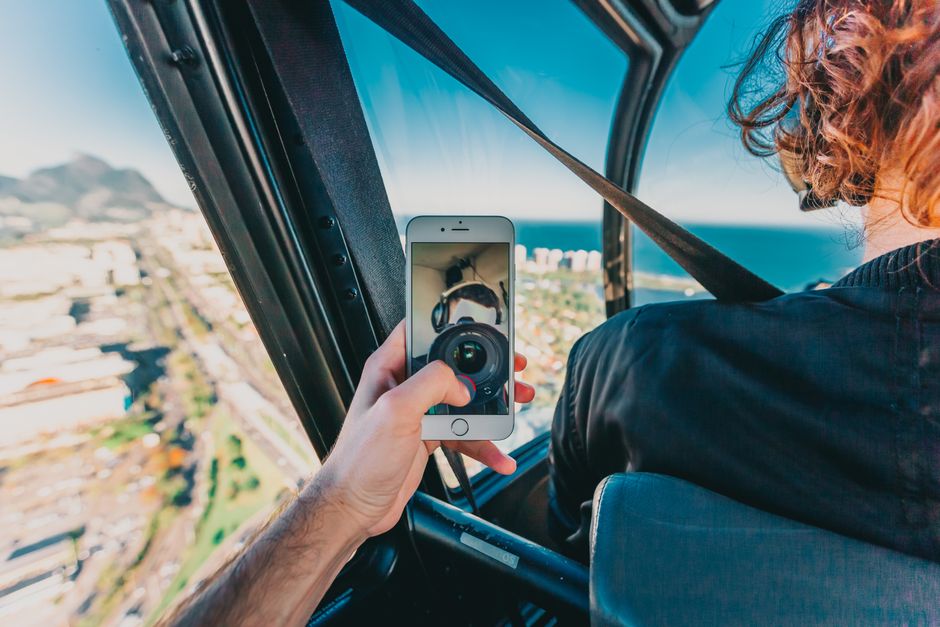
Embarking on your Brazilian adventure means staying connected is absolutely key, and a local SIM card is your golden ticket to seamless exploration. Imagine instantly sharing those breathtaking sunset photos or effortlessly hailing a ride after a sizzling samba night! To truly unlock your Brazil travel navigation guide, your first stop should be an official store for Vivo, Claro, or TIM right after you land.
Grabbing a ‘chip pré-pago’ is surprisingly easy; just bring your passport for registration, and you’ll be online in no time. A generous 10GB prepaid data plan from major carriers like Vivo or Claro typically costs a very reasonable R$40-R$50, giving you 30 days of uninterrupted access to maps, translation apps, and all your social media needs. This small investment makes a monumental difference in your travel freedom and peace of mind, ensuring you’re always just a tap away from your next discovery.

Navigating Brazil’s Bustling Cities Like a Local
Diving into Brazil’s vibrant urban centers is an exhilarating experience, and mastering public transport will make you feel like a true local. For instance, in São Paulo, a single fare on the Metrô or CPTM costs R$4.40, but you absolutely need to snag a ‘Bilhete Único’ card; it allows for integrated bus and metro transfers, often with fantastic discounts on subsequent trips within a 3-hour window.
To conquer the sprawling transit networks, download the incredible Moovit app – it’s your real-time guru for bus and metro schedules, routes, and estimated arrival times across major cities like Rio, São Paulo, and Belo Horizonte. If you’re exploring Rio de Janeiro, the ‘Metrô Rio Oficial’ app is indispensable for up-to-the-minute train schedules and station information, making your Brazil travel navigation guide truly robust. And for those moments when you crave door-to-door convenience, ride-sharing apps like 99 (formerly 99Táxis) are readily available and super reliable, whisking you away to your next adventure.
Smart Explorer’s Toolkit: Offline Maps & Safety Tips
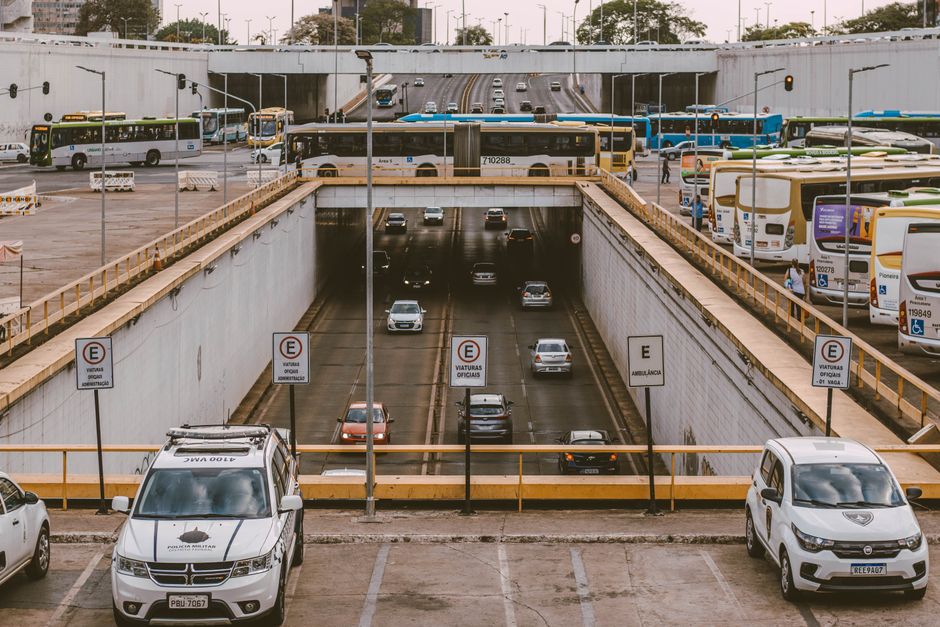
Even with a robust data plan, a smart explorer always prepares for the unexpected, and that means downloading offline maps for your Brazil travel navigation guide. Before you even step out, make sure to download offline maps for major cities like Rio de Janeiro, São Paulo, and Salvador using Google Maps or Maps.me, as mobile data signals can be a bit inconsistent in certain areas or indoors.
When you’re out exploring on foot, especially in larger cities, always exercise a healthy dose of caution and cross-reference your GPS routes. While apps like Google Maps are fantastic, some might suggest paths through favelas or less safe neighborhoods; always prioritize main avenues and well-lit areas, particularly after dark, to ensure your adventures remain joyful and secure.

Hitting the Open Road: Driving & Tolls in Brazil
If the call of the open road beckons you to explore Brazil’s stunning landscapes at your own pace, driving can be an incredibly rewarding experience. Apps like Waze and Google Maps are your best friends for navigating, offering real-time traffic updates and route suggestions that can save you precious time and keep you on track to your next breathtaking vista.
Be prepared for tolls, as they are a common feature on many Brazilian highways, contributing to well-maintained roads. For example, if you’re cruising along the incredibly scenic BR-101 (the Rio-Santos highway), tolls can accumulate to R$25-R$35 for a car traveling the full route, with the exact amount depending on the number of plazas and your vehicle type. Always keep some cash handy, though many toll booths now accept card payments for your convenience.