
Embracing the Rains: Navigating India’s Monsoon Seasons
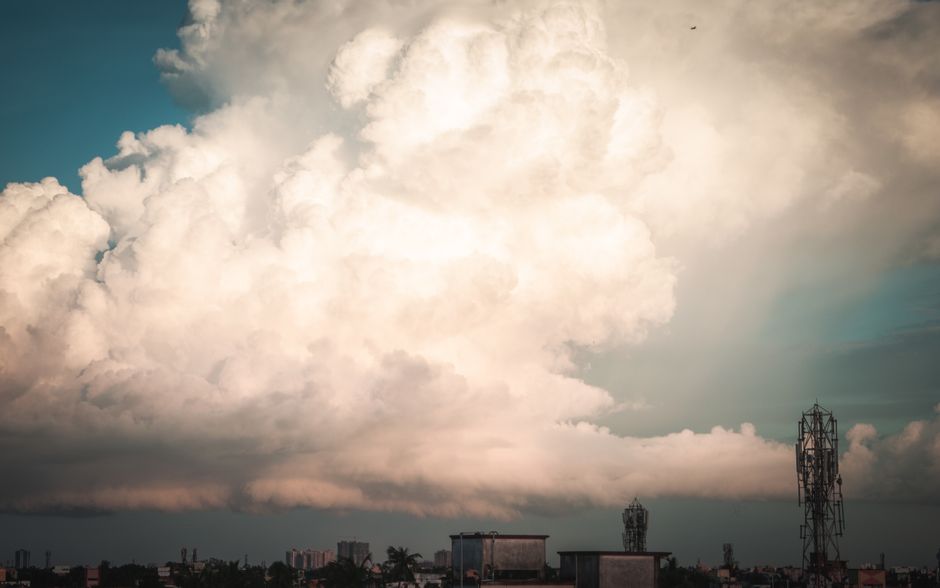
Prepare for a truly transformative experience as India’s primary Southwest Monsoon season sweeps across the land, typically from early June to late September, blessing the country with approximately 80% of its annual rainfall. Imagine lush, vibrant landscapes bursting with life, the air thick with the aromatic scent of wet earth, and the rhythmic patter of rain creating a soothing soundtrack to your adventures.
While the monsoons bring incredible beauty, it’s wise to be prepared; coastal cities like Mumbai can see humidity levels soar past 85% during these months, making the ‘real feel’ temperature quite intense. For those dreaming of a tropical escape, coastal South India, like the enchanting backwaters of Kerala, maintains a balmy 25-30°C (77-86°F) year-round, experiencing both the Southwest and the later Northeast Monsoons from October to December.
Don’t let the rain deter you; instead, embrace it as part of your authentic journey! Always tuck a high-quality, compact umbrella or a lightweight raincoat into your bag, especially if your travels during June to September take you through central or coastal regions, ensuring you stay comfortable and dry while exploring the incredible tapestry of India’s weather.

From Desert Heat to Delhi Chill: Unpacking India’s Regional Climates
India’s vastness means its climate is a spectacular mosaic, offering everything from scorching desert heat to crisp winter mornings, making this India weather guide essential for planning. If you’re venturing into Rajasthan’s majestic Thar Desert region, be ready for intense summer temperatures from May to June, frequently soaring above 45°C (113°F), with some areas even hitting a sizzling 50°C (122°F) – perfect for those who crave extreme warmth and breathtaking desert vistas.
Contrast that with the delightful chill of Delhi’s winter, where from December to February, average daytime temperatures hover between a pleasant 12-20°C (54-68°F), though nights can drop to a brisk 5-8°C (41-46°F), often influenced by ‘Western Disturbances’ bringing cooler air. For summer travel across central and western India, prioritize light, breathable cotton clothing and remember to stay incredibly hydrated with ORS (Oral Rehydration Salts) to keep your energy high.
Planning your outdoor explorations for early mornings or late evenings during these hotter months will allow you to comfortably soak in the sights, from ancient forts to bustling bazaars, without battling the midday sun. This incredible diversity truly underscores why understanding India’s regional climates is key to an unforgettable trip.

High Altitude Adventures: When to Explore India’s Majestic Himalayas
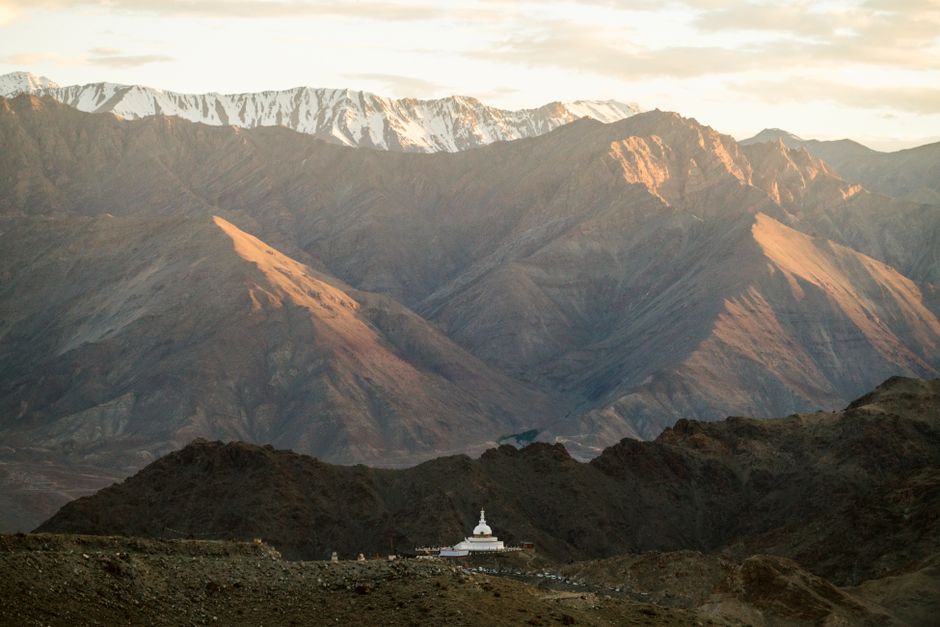
For the intrepid explorer dreaming of snow-capped peaks and serene valleys, the majestic Himalayan Range beckons with its own unique climate rhythm. The absolute best time to embark on your high-altitude adventures in regions like mystical Ladakh is from June to September, when the weather is most inviting and the major mountain passes are gloriously open.
During these months, you can expect comfortable average temperatures ranging from 15-25°C (59-77°F), creating ideal conditions for trekking, exploring ancient monasteries, and soaking in the breathtaking panoramic views. Imagine crisp, clean air filling your lungs as you navigate winding mountain roads, each turn revealing another awe-inspiring vista.
However, even in the heart of summer, the mountains demand respect; temperatures can drop significantly at higher altitudes and after the sun dips below the horizon. Always pack layers, including thermal wear and a warm jacket, ensuring you’re cozy and prepared for those magical, starlit Himalayan evenings.
Your India Weather Toolkit: Smart Packing & Local Wisdom
Navigating India’s diverse climates is a breeze when you’re equipped with the right gear and a dash of local wisdom. For any monsoon travel between June and September, especially in coastal or central areas, a high-quality, compact umbrella or a lightweight raincoat is your absolute best friend, keeping you dry and ready for spontaneous downpours.
If your journey takes you through the warmer plains from April to June, prioritize light, breathable cotton clothing to stay cool and comfortable. Remember to keep hydrated with ORS (Oral Rehydration Salts) and plan your more strenuous outdoor activities for the cooler early mornings or late evenings, allowing you to fully savor every moment.
Heading to the awe-inspiring Himalayas? Even during the summer months, layering is paramount; pack thermal wear and a warm jacket, as temperatures can plummet dramatically at higher altitudes and once the sun sets. And for truly precise, localized forecasts across this incredibly varied nation, make sure to download the official ‘Mausam’ app by the India Meteorological Department (IMD) – it’s an invaluable part of your India weather guide, ensuring you’re always one step ahead!