
Embracing the Heat: Surviving Japan’s Summer Swelter
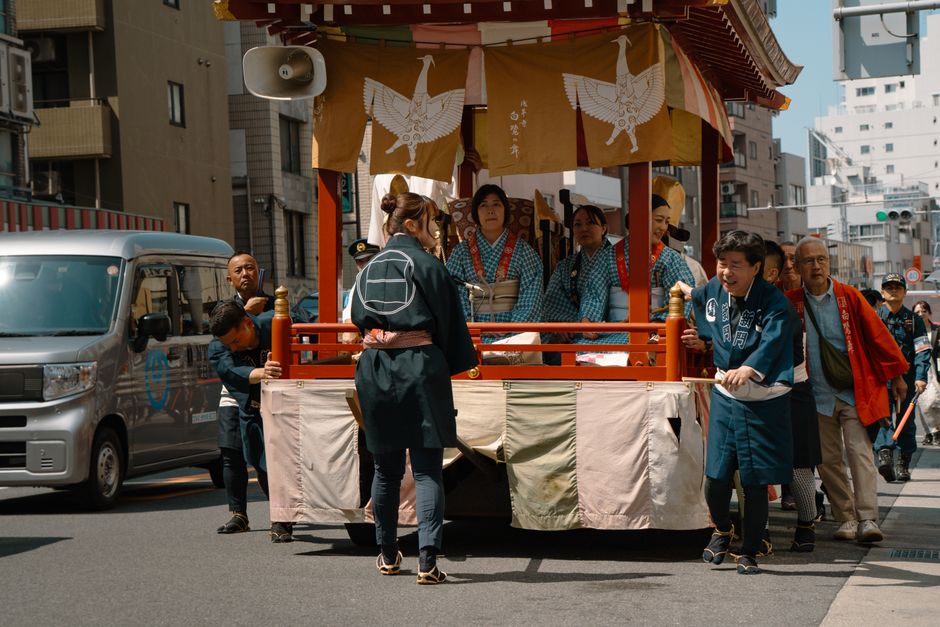
Get ready, because Japan’s summer, typically from July to August, brings a vibrant energy but also a serious swelter that you’ll need to prepare for! Imagine stepping into Tokyo where daily highs average a sizzling 31°C (88°F), often feeling much hotter as the humidity frequently exceeds a steamy 80%. It’s a unique experience, full of festivals and fireworks, but staying comfortable is absolutely key to enjoying every moment.
To truly conquer the heat like a local, always tuck a small towel, perhaps a stylish tenugui or a simple handkerchief, into your bag – it’s perfect for dabbing away perspiration. A portable fan will become your new best friend, providing instant relief as you explore bustling city streets or serene temple grounds. And remember to hydrate constantly with refreshing drinks like Pocari Sweat or Aquarius; these electrolyte-rich beverages are your secret weapon against the summer sun, ensuring you stay energized for all your adventures.
Chasing Blossoms & Fall Foliage: Japan’s Perfect Shoulder Seasons
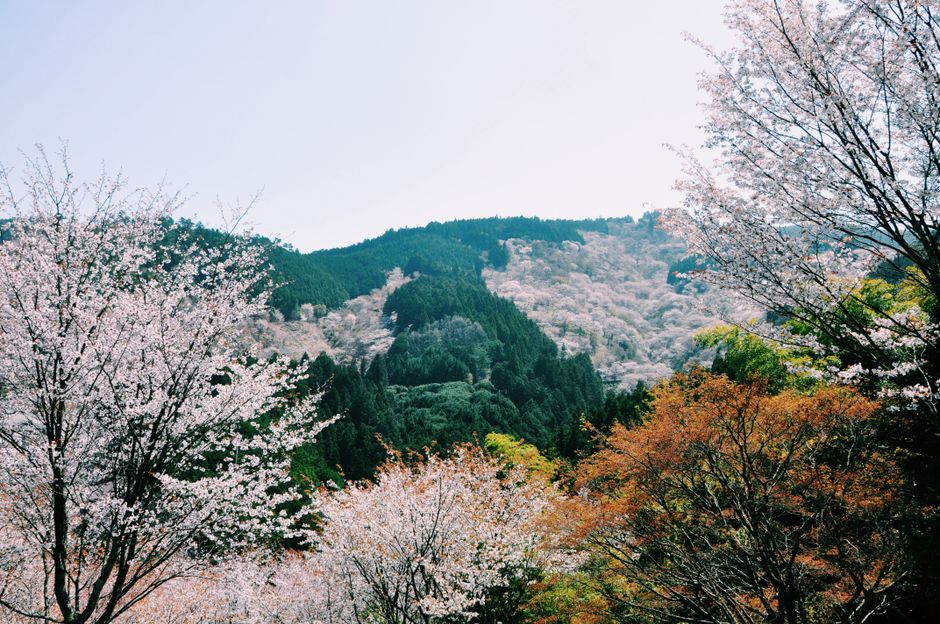
If you dream of picture-perfect landscapes, Japan’s shoulder seasons are calling your name, offering a truly magical experience without the extreme temperatures. Spring, especially April, transforms cities like Kyoto into a breathtaking canvas of cherry blossoms, where you can stroll comfortably with pleasant daytime averages of 19°C (66°F) – absolutely ideal for those iconic hanami picnics and exploring ancient temples.
Autumn, or Kōyō season, is equally spectacular, painting the mountains and gardens in fiery reds and golden hues, creating an unforgettable backdrop for your travels. To navigate the significant temperature fluctuations between day and night, especially if you venture into the stunning mountainous regions, layering your clothing is absolutely crucial. This smart packing strategy ensures you’re cozy in the mornings and evenings, yet perfectly comfortable during the warmer midday explorations, making your Japan weather travel guide experience seamless.

Winter Wonderland: Conquering Japan’s Snowy Peaks and Cities
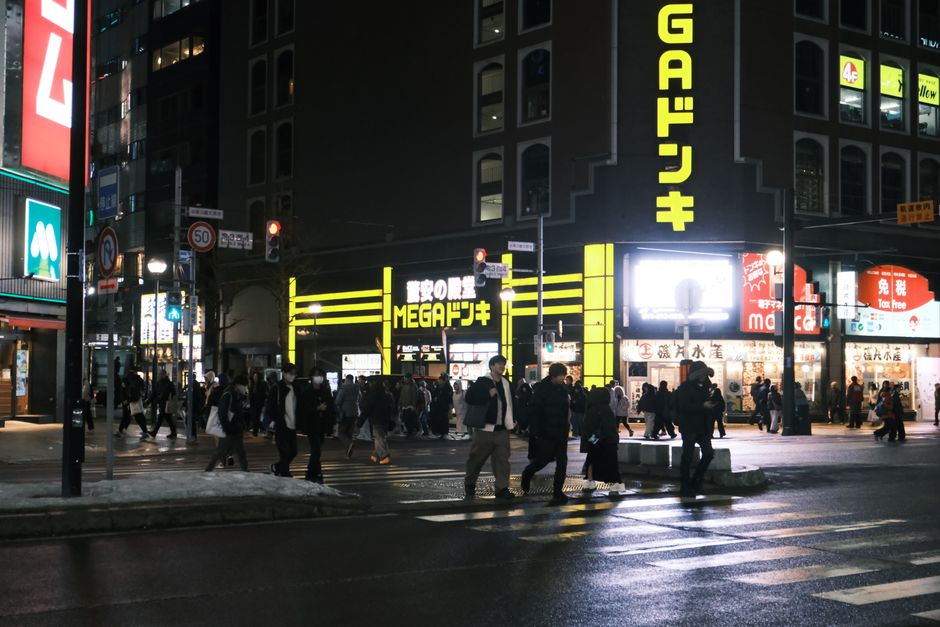
Prepare to be enchanted by Japan’s winter wonderland, a season that transforms the landscape into a serene, snow-dusted paradise, especially if you’re drawn to snowy peaks and cozy cityscapes. In regions like Hokkaido, from January to February, you’ll experience average daily highs of -2°C (28°F) and lows plummeting to -8°C (18°F), with significant snowfall blanketing iconic spots like Sapporo and the world-renowned ski slopes of Niseko.
Embracing the crisp winter air means gearing up properly, so make sure to invest in high-quality, waterproof, and insulated footwear with excellent grip – this is absolutely essential for comfort and safety on potentially icy pavements and snowy trails. Imagine sipping hot sake after a day on the slopes or exploring Sapporo’s Snow Festival, all while staying warm and dry; it’s an unforgettable experience that truly showcases a different side of Japan.
Navigating the Storms: Your Guide to Japan’s Rainy & Typhoon Seasons
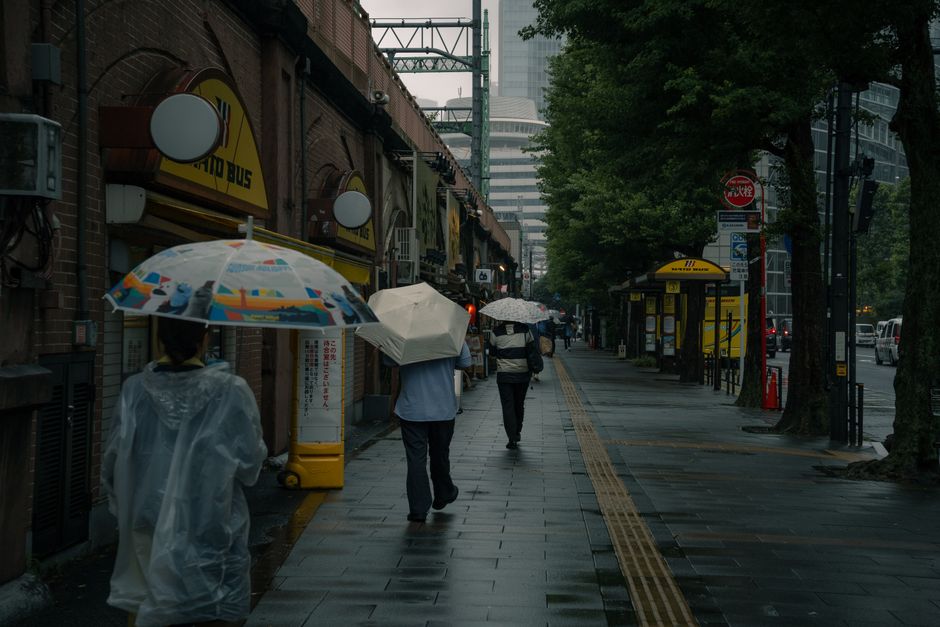
While Japan offers incredible experiences year-round, understanding its rainy and typhoon seasons is vital for a smooth adventure. The ‘Tsuyu’ or rainy season typically graces Honshu from mid-June to mid-July, characterized by frequent, often heavy daily rainfall that brings a lush, vibrant green to the landscape. Don’t let it dampen your spirits; instead, embrace the atmospheric charm and come prepared!
For Tsuyu, your best friend will be a high-quality, compact umbrella – a true lifesaver for those sudden downpours, even outside the official rainy period. Beyond Tsuyu, Japan’s main typhoon season runs from August to early October, with an average of 3-5 typhoons making landfall or passing close enough to cause disruptions annually. For real-time alerts on train service suspensions or flight cancellations, you absolutely must download the Japan Meteorological Agency (JMA) app or frequently check Tenki.jp (天気.jp) or Yahoo!天気 (Yahoo! Weather); these resources are indispensable for navigating this period and are a critical part of any comprehensive Japan weather travel guide.
Island Escape: Unpacking Okinawa’s Subtropical Charm
For a completely different vibe, set your sights on Okinawa, Japan’s stunning southern archipelago, where a captivating subtropical climate awaits you year-round. Forget the distinct four seasons of mainland Japan; here, you’ll find consistently warm temperatures and a wonderfully relaxed island pace. Even in winter, around January, you can expect delightful averages of 17°C (63°F), perfect for exploring its pristine beaches and vibrant coral reefs.
Come summer, specifically August, temperatures hover around a balmy 29°C (84°F), inviting you to dive into its turquoise waters and soak up the sun, though you’ll notice the humidity remains high throughout the year. This unique climate means you can enjoy Okinawa’s natural beauty and rich culture almost any time, making it an ideal escape for those seeking warmth and a tropical twist on their Japanese adventure.