
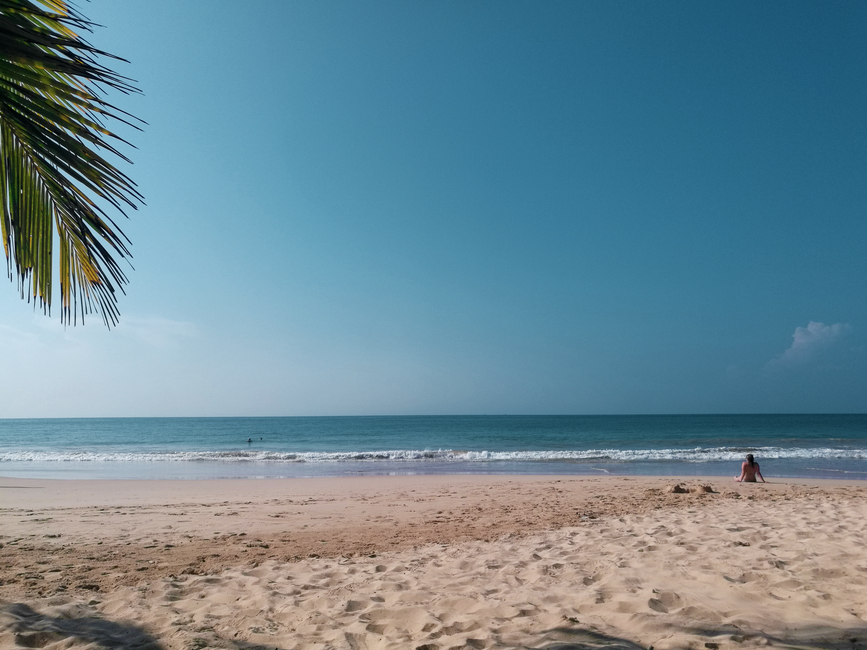
Embracing the Island’s Warm Hug: Coastal vs. Hill Country Vibes
Imagine stepping off the plane and immediately feeling the island’s embrace – that’s the magic of Sri Lanka’s climate, offering a delightful duality you’ll absolutely love. This incredible nation presents two distinct atmospheric experiences, ensuring you can always find your perfect temperature, whether you crave sun-drenched beaches or misty mountain air.
Along the vibrant Southwest Coast, in places like COLOMBO and GALLE, you’ll bask in consistent warmth, with average daytime temperatures hovering around a blissful 28-30°C year-round. Even as the sun dips below the horizon, the nights remain wonderfully balmy, rarely dropping below 24°C, perfect for enjoying those aromatic evening strolls or a refreshing drink by the ocean.
Venture inland to the enchanting Hill Country, however, and you’ll discover a refreshing contrast. Destinations such as NUWARA ELIYA offer a welcome respite with cooler climes, averaging a pleasant 15-20°C during the day. As evening descends, you might even find yourself reaching for a light jacket as temperatures often dip to a crisp 10-12°C, creating a cozy, invigorating atmosphere.

Dancing with the Rains: Understanding Sri Lanka’s Monsoon Seasons
To truly master your Sri Lankan adventure, understanding the island’s rhythmic monsoon seasons is key. Don’t let the word ‘monsoon’ deter you; it simply means you’ll experience different parts of the island at their sunniest, offering a dynamic travel experience that keeps things exciting.
The Yala Monsoon primarily graces the Southwest Coast and central highlands from May to September, bringing invigorating showers that nourish the lush landscapes. During its peak, areas like GALLE can experience an average of 200-300mm of rainfall per month, creating vibrant, fresh scenery perfect for exploring cultural sites between downpours.
Conversely, the Maha Monsoon sweeps across the northern and eastern regions from October to January, ensuring those areas receive their vital hydration. TRINCOMALEE, for instance, sees its wettest months in November and December, averaging a substantial 250-350mm of rain. This intricate dance of the monsoons, meticulously tracked by the Department of Meteorology Sri Lanka, means there’s always a sunny spot waiting for you somewhere on the island.
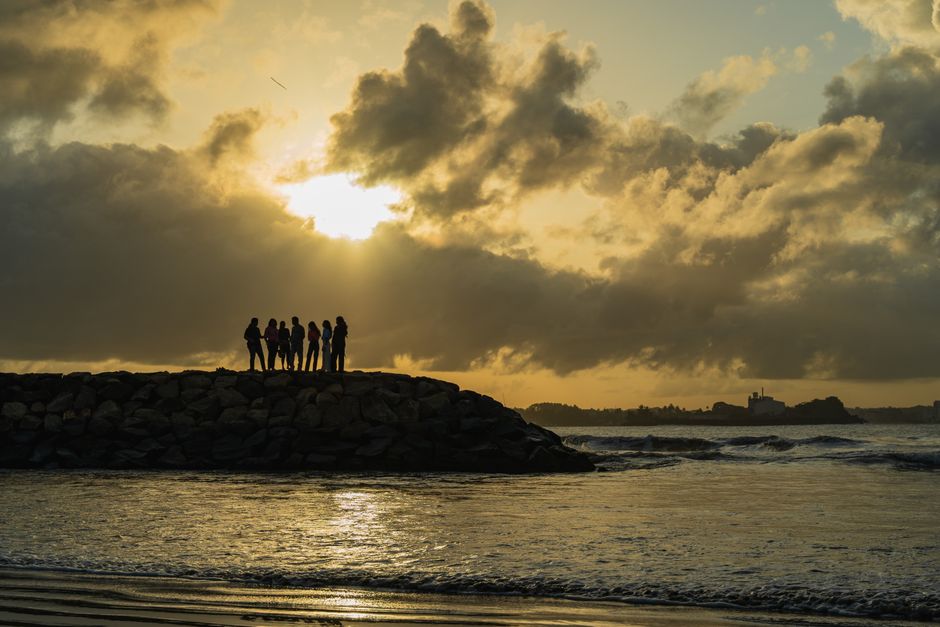
Chasing Sunshine: When to Find Your Perfect Sri Lankan Beach Escape
Ready to dive into those sparkling turquoise waters? Knowing the best times to hit Sri Lanka’s incredible beaches is crucial for a sun-drenched, unforgettable escape. This Sri Lanka weather guide will help you pinpoint exactly when and where to lay out your towel for maximum vitamin D.
If your heart yearns for the popular Southwest Coast, think MIRISSA, UNAWATUNA, BENTOTA, or HIKKADUWA. The driest period, boasting minimal rainfall and abundant sunshine, stretches gloriously from December to March. This is your prime window for surfing, swimming, and soaking up every golden ray on these iconic shores.
Alternatively, if your wanderlust pulls you towards the stunning Eastern beaches like ARUGAM BAY, PASIKUDAH, TRINCOMALEE, or BATTICALOA, plan your visit between May and September. This is when the East Coast truly shines, offering its prime dry season, perfect for catching epic waves or simply unwinding on pristine, sun-kissed sands.

Smart Packing & Sun Savvy: Your Essential Sri Lanka Weather Kit
Packing smart is your secret weapon for conquering Sri Lanka’s diverse climates, ensuring you’re comfortable and ready for anything this tropical paradise throws your way. Think of this as your essential Sri Lanka weather guide to a perfectly curated suitcase.
Sun protection is absolutely non-negotiable here; the UV index is consistently high, so you’ll want to be sun savvy. Always slather on SPF 50+ sunscreen, don a wide-brimmed hat, and wisely seek shade between 10 AM and 3 PM to protect your skin from the intense tropical sun.
Even during dry seasons, coastal areas maintain high humidity levels, typically 70-90%, so breathable cotton or linen clothing will be your best friend. And remember, especially if you’re venturing into the refreshing Hill Country or during shoulder seasons, a lightweight, quick-drying rain jacket or a compact umbrella is a smart addition, as localized showers can surprise you at any moment.