
Chasing Sunshine: Unveiling Albania’s Riviera Climate
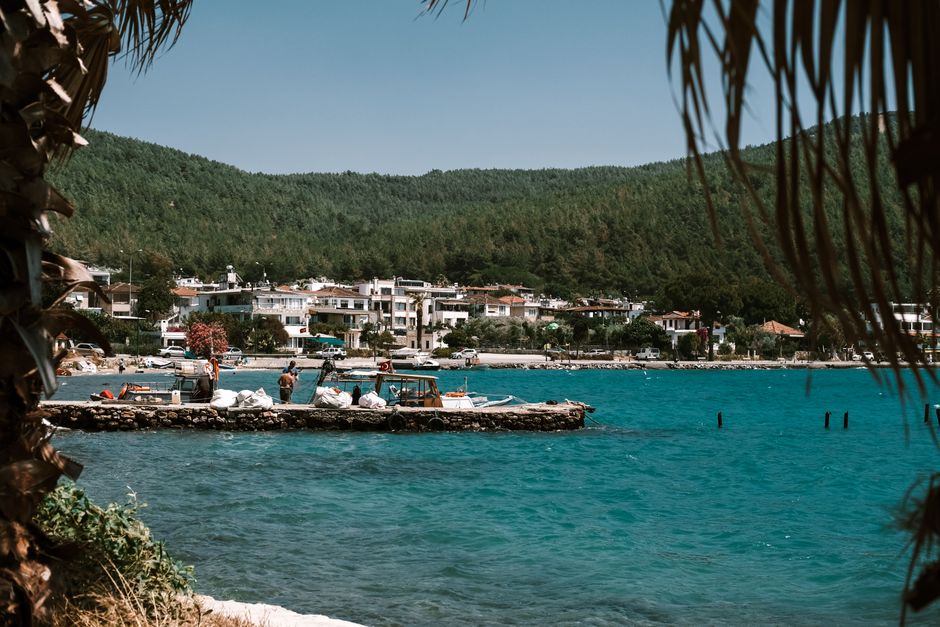
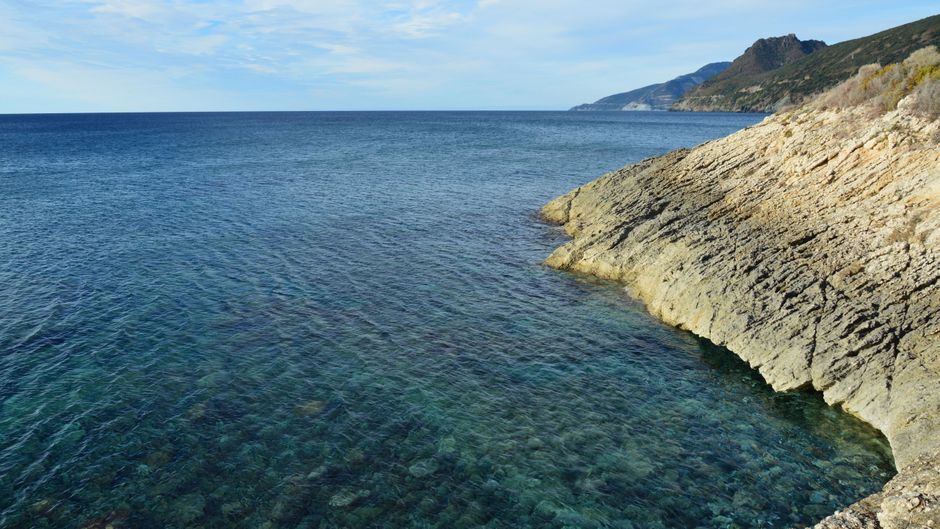
Imagine yourself basking on sun-drenched beaches, the turquoise Ionian Sea lapping at your toes! The Albanian Riviera, stretching from Vlorë down to Sarandë and Ksamil, truly embodies the dream of a Mediterranean escape. During the peak months of July and August, you’ll experience average daily high temperatures soaring to a glorious 30-32°C (86-90°F), with the sea invitingly warm at 25-27°C (77-81°F).
This coastal paradise, defined by its Klima Mesdhetare or Mediterranean Climate, boasts over 12 hours of sunshine per day in July, making it one of Europe’s most radiant coastal regions. While the Era e Jugut, a warm, humid southern wind, occasionally brings a refreshing shower, the dry, sunny days are the norm. To truly savor the experience and avoid the most intense midday rays, plan your beach time and outdoor adventures for the blissful mornings before 11:00 or the golden late afternoons after 16:00.
Even with its abundant sunshine, the southern coast around Vlorë and Sarandë still receives a moderate average of 900-1,100mm of annual rainfall, mostly concentrated outside the summer months. This ensures the lush landscapes remain vibrant, offering a stunning contrast to the sparkling sea. This Albania weather guide will help you pinpoint the perfect time for your coastal getaway.
Alpine Adventures: Conquering Albania’s Mountain Weather
If your heart beats for rugged peaks and crisp mountain air, Albania’s majestic Alps, encompassing areas like Valbonë and Theth, offer an entirely different climatic experience. Here, the Klima Kontinentale dominates, bringing dramatic seasonal shifts that will thrill any adventurer. From December through March, prepare for a true winter wonderland where daily temperatures frequently plunge below 0°C (32°F).
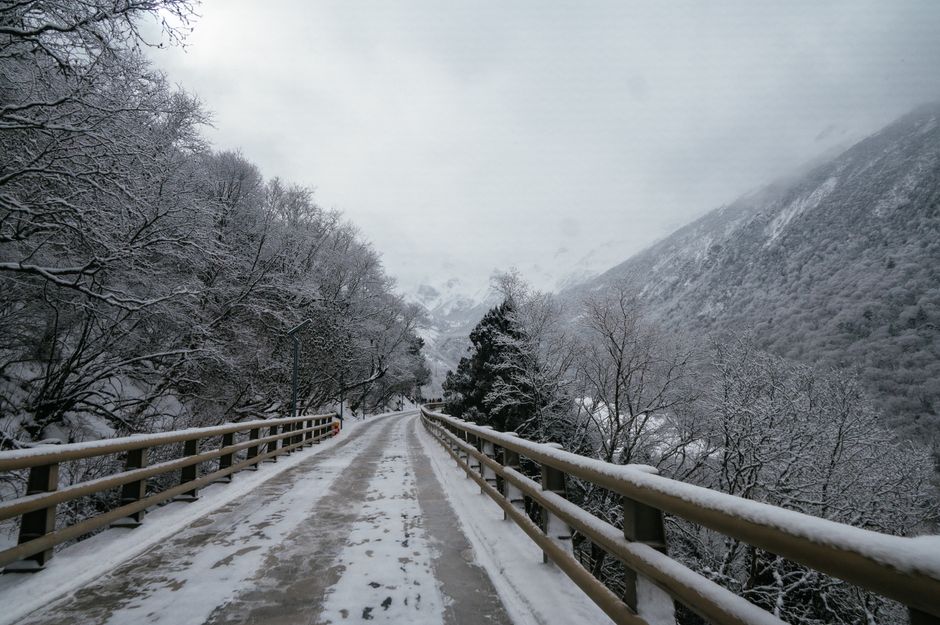
Heavy snowfall is not just common; it’s a defining feature, often accumulating over 1 meter in the higher elevations, transforming the landscape into a breathtaking, snow-laden paradise. The Era e Veriut, a cold, dry northern wind, often ushers in these clear, crisp winter days. If you’re planning a winter visit to mountainous areas like Korçë or the Alps, it’s absolutely crucial to ensure your vehicle is equipped with winter tires and snow chains, as many roads can become impassable without them.
Even in summer, when you’re tackling an epic hike from Valbonë to Theth, the mountains demand respect. Always pack layers, a reliable waterproof jacket, and sturdy footwear. The weather in the Alps can change with astonishing speed, bringing sudden afternoon thunderstorms and significant temperature drops at higher altitudes. Being prepared means you can fully immerse yourself in the raw beauty of these incredible landscapes.
Timing Your Trip: When to Visit Albania for Perfect Weather
Deciding when to embark on your Albanian adventure largely depends on what kind of experience you’re seeking, and this Albania weather guide is here to help you choose! For those dreaming of idyllic coastal escapes, we highly recommend targeting late May to early June or the entire month of September. During these shoulder seasons, temperatures are wonderfully pleasant, hovering around 22-28°C, the sea is perfectly warm for swimming, and popular spots like Dhërmi and Ksamil are blissfully less crowded than in the peak August rush.
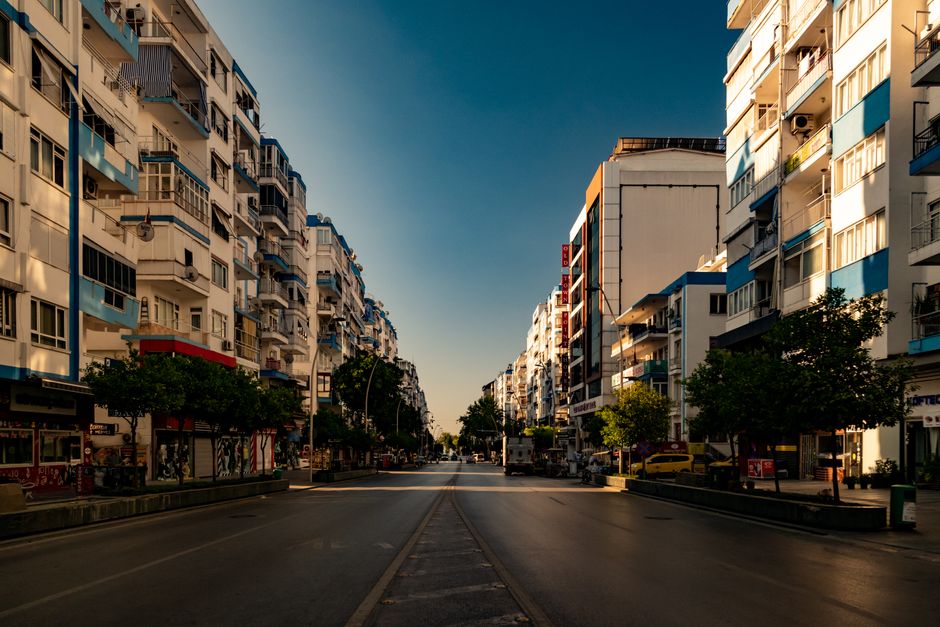
If you’re drawn to the vibrant energy of cities like Tirana, be aware that January stands as the coldest month, with average daily temperatures ranging from 2-10°C (36-50°F) and a fair amount of rainfall, typically 130-150mm. However, this also means fewer crowds and a chance to experience local life at a more relaxed pace. Conversely, the summer months in the lowlands and cities like Berat or Gjirokastër can be intensely hot, so planning your sightseeing for the cooler parts of the day is a smart move.
For mountain enthusiasts, summer offers incredible hiking opportunities, but as we’ve noted, always be prepared for sudden weather shifts. Winter, while stunningly beautiful in the Alps, requires careful planning and appropriate gear for road travel. Ultimately, Albania offers a climate for every preference, ensuring your trip is unforgettable whenever you choose to visit.
Beyond the Sunshine: Understanding Albania’s Diverse Climates
Albania is a land of fascinating climatic contrasts, a fact that truly enhances its appeal as a travel destination. While the coast revels in its Klima Mesdhetare, characterized by hot, dry summers and mild, wet winters, the interior and northern regions are dominated by a Klima Kontinentale, bringing colder winters with significant snowfall and warmer, often wetter, summers. This incredible diversity means you can literally chase sunshine or snow within a few hours’ drive!
To truly understand these nuances, you can always consult experts like the Instituti i Gjeoshkencave, Energjisë, Ujit dhe Mjedisit (IGJEUM), Albania’s official meteorological service. They track everything from the warm, rain-bringing Era e Jugut to the cold, clear-sky Era e Veriut. It’s fascinating to see how these local winds shape the daily weather patterns you’ll encounter.
Consider the striking difference in rainfall: while the southern coast around Vlorë and Sarandë averages a respectable 900-1,100mm annually, Shkodër in the northwest receives a staggering 1,800-2,000mm, making it one of the wettest cities. This variety ensures that every region offers a unique experience, proving that Albania’s weather is as dynamic and captivating as its landscapes. This comprehensive Albania weather guide aims to prepare you for every glorious facet of your journey.