
What Will a Feast Cost You? Savoring Bosnian Delights on a Budget
Get ready to indulge your taste buds without breaking the bank, because your Bosnia and Herzegovina food guide adventure promises incredible value! Imagine sinking your teeth into a standard portion of sizzling Ćevapi – ten pieces served with fluffy somun bread and fresh onion – for a mere 8-12 BAM at a traditional Ćevabdžinica. It’s a flavor explosion that truly defines budget-friendly feasting.
For a quick, satisfying bite, you’ll discover that a generous slice of flaky Burek or creamy Sirnica from a local pekara or buregdžinica will only set you back 3-6 BAM, making it an absolute go-to for an affordable lunch. And when it’s time to unwind, a refreshing 0.5L bottle or draft of local favorites like Sarajevsko Pivo or Jelen Pivo in a cozy kafana is typically priced at a delightful 3-5 BAM.
Even for heartier, traditional main courses like the comforting Sarma (stuffed cabbage rolls) or the rich Bosanski lonac (Bosnian pot stew) in a mid-range restaurant, you can expect to pay a very reasonable 15-25 BAM. Don’t forget to savor a cup of authentic Bosanska kafa, complete with rahat lokum and a glass of water, for just 2-4 BAM – it’s an essential part of the experience. While tipping isn’t strictly mandatory, rounding up the bill or leaving 5-10% for excellent service is a wonderful way to show your appreciation, especially in sit-down establishments.

Your Essential Bosnian Food Checklist: Must-Try Bites!
Prepare your palate for an unforgettable journey, because this Bosnia and Herzegovina food guide is your passport to culinary bliss! First on your list absolutely must be Ćevapi – those perfectly grilled, finger-shaped minced meat sausages that are a national treasure. You’ll find them served hot and fresh, often with a side of chopped onions and a warm, pillowy somun.
Next, dive into the glorious world of Burek. This flaky, savory pastry, traditionally filled with spiced meat, is a revelation. But don’t stop there; explore its delicious cousins like Sirnica (cheese pie) and Zeljanica (spinach and cheese pie) for a true taste of local baking. For a comforting, home-style experience, you simply have to try Sarma, tender cabbage rolls stuffed with a savory meat and rice mixture, or the rich, hearty Begova Čorba, a traditional chicken and vegetable soup.
And for dessert? Indulge in the syrupy sweetness of Baklava, a layered pastry drenched in honey and nuts – it’s pure bliss. Finally, if you’re feeling adventurous, be sure to sample some local Rakija, a potent fruit brandy often offered as a warm welcome or a digestif. Just remember, its high alcohol content means you should sip it slowly and respectfully!

Where the Locals Eat: Finding Authentic Flavors
If you truly want to taste the heart and soul of Bosnian cuisine, you need to eat where the locals do, and this Bosnia and Herzegovina food guide will point you in the right direction! For an authentic, home-style cooking experience that feels like a meal at a Bosnian grandmother’s house, seek out an Aščinica. These traditional eateries are a hidden gem, offering a daily changing menu of delicious stews, soups, and cooked dishes at incredibly budget-friendly prices.
When your craving for the perfect Ćevapi strikes, head straight to a Ćevabdžinica. These specialized grill houses are dedicated to perfecting this iconic dish, ensuring you get the most authentic and flavorful experience possible. You’ll find them bustling with locals, a sure sign you’re in for a treat.
For a more relaxed atmosphere, perfect for sipping coffee or enjoying a local beer, pull up a chair in a traditional Kafana. This is where you can truly immerse yourself in the local rhythm. When you order Bosanska kafa here, remember it’s a ritual: don’t stir the sediment at the bottom, and savor each sip slowly, accompanied by the sweet rahat lokum and a refreshing glass of water. It’s an experience, not just a drink.

Beyond the Plate: Unveiling Bosnia’s Culinary Rituals
Bosnian cuisine is so much more than just food; it’s a vibrant tapestry of rituals, hospitality, and connection that you’ll absolutely love discovering. Take, for instance, the revered Bosanska kafa. It’s not just a beverage; it’s a moment of pause, a social cornerstone. You’ll receive it in a džezva (copper pot), poured into a fildžan (small cup), always accompanied by a sweet rahat lokum and a glass of water. Remember the insider tip: sip it slowly, without stirring the rich sediment at the bottom, and let the conversation flow.
Then there’s Rakija, the potent fruit brandy that embodies Bosnian warmth. Often offered as a welcome drink or a digestif after a hearty meal, it’s a symbol of hospitality and celebration. Don’t be shy if a local offers you a shot; it’s a gesture of friendship, but do respect its strength and enjoy it responsibly.
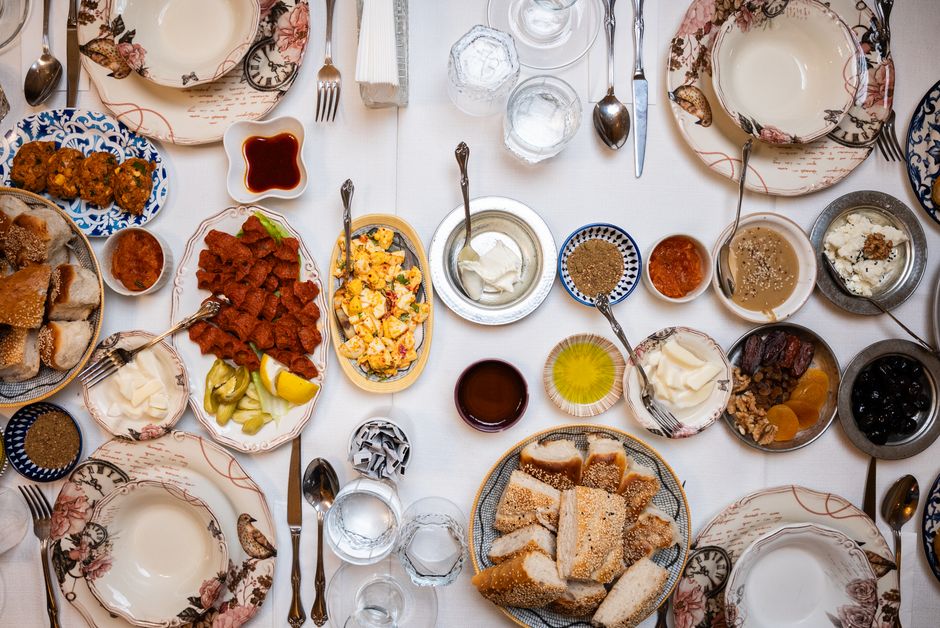
Eating in Bosnia is a communal affair, a chance to share stories and laughter around a table laden with delicious dishes. Whether you’re enjoying a simple Burek or a grand feast, the emphasis is always on generosity and making you feel at home. Embrace these culinary rituals, and you’ll find that this Bosnia and Herzegovina food guide truly opens up the soul of the country, offering an experience far richer than just the flavors on your plate.