
Chasing the Sun: Unveiling Jordan’s Best Travel Seasons
Imagine yourself basking in the perfect warmth, a gentle breeze kissing your skin as you explore ancient wonders – that’s the dream, and it’s absolutely achievable in Jordan! To truly unlock the magic of your next adventure, understanding the Jordan weather travel guide is your first step.
The sweet spot for your Jordanian escapade undeniably falls during spring, from April to May, and again in autumn, stretching from September to October. During these glorious months, you’ll find Amman’s average daily temperatures hovering delightfully between 20-28°C, creating an ideal climate for city explorations and desert excursions alike.
Picture this: sun-drenched days giving way to refreshingly cool desert nights, perfect for stargazing in Wadi Rum. While summer brings its own vibrant energy, and winter offers a unique charm, these shoulder seasons deliver that quintessential, comfortable travel experience you’re truly craving.

From Desert Heat to Coastal Breezes: Jordan’s Diverse Climates
Jordan is a land of incredible contrasts, and its climate is no exception, offering everything from scorching desert landscapes to invigorating coastal breezes. This comprehensive Jordan weather travel guide will help you navigate the nuances, ensuring you’re perfectly prepared for every region you wish to conquer.
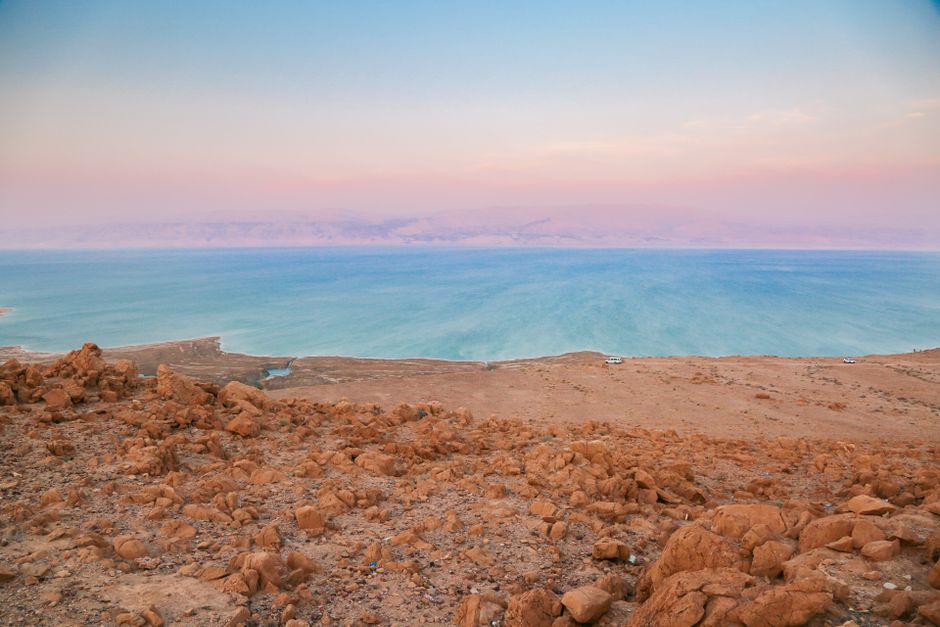
Prepare for extreme summer heat if you’re drawn to the unique allure of the Dead Sea region, where average daily highs in July and August consistently sizzle between 39-43°C, making it one of the hottest spots on Earth. Further south, Aqaba on the Red Sea also boasts average summer highs of 38-42°C, yet its inviting Red Sea waters maintain a comfortable 26-28°C, absolutely ideal for swimming, snorkeling, and diving into a vibrant underwater world.
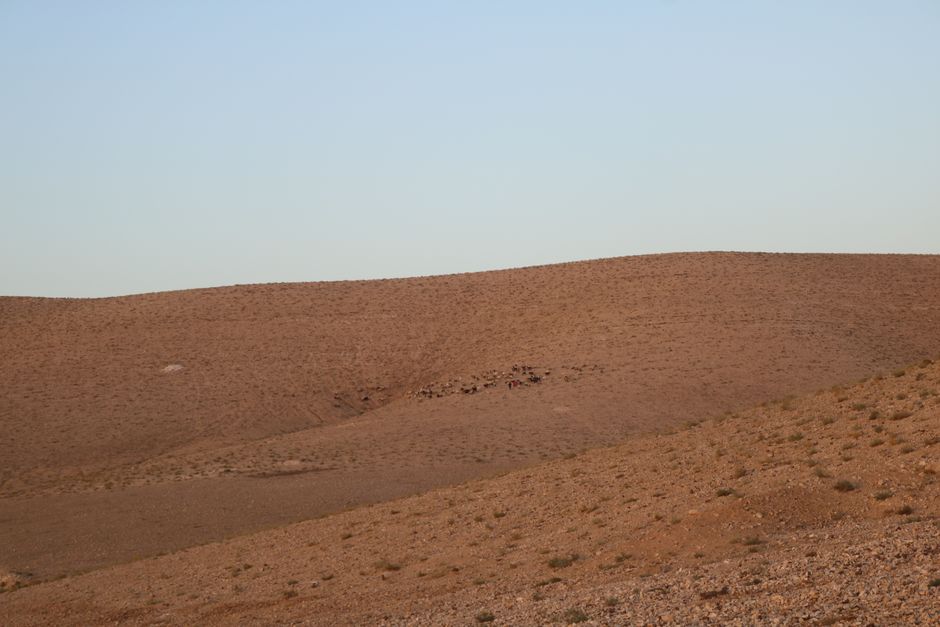
Venturing inland, Amman experiences its own summer warmth, with average high temperatures in July and August reaching a balmy 32-35°C, while winter lows in January and February average a cooler 5-8°C, occasionally even gracing higher elevations with a dusting of snow. Don’t forget the desert areas like Wadi Rum, which can surprise you with significant diurnal temperature swings; expect daytime highs in spring to reach a pleasant 25-30°C, but be ready for nighttime lows to drop to a brisk 10-15°C.
Regarding rainfall, Jordan’s annual precipitation is highly concentrated between November and March; Amman typically receives approximately 300-400mm, while the arid beauty of Aqaba and Wadi Rum sees less than 30mm annually, ensuring those clear, starry desert nights you dream of.
Smart Packing for Jordan: Beat the Heat & Embrace the Chill
Packing smart is your secret weapon for a seamless Jordanian adventure, ensuring you’re comfortable whether you’re scaling ancient ruins or floating in the Dead Sea. Armed with this Jordan weather travel guide, you’re now ready to pack smart and explore with confidence.
Our top insider tip: always pack layers, even if you’re visiting in the peak of summer! Those magical desert evenings in places like Wadi Rum can become surprisingly chilly after sunset, calling for a light jacket or a cozy fleece to keep you snug under the stars.
Furthermore, make sure to invest in high-SPF sunscreen, a wide-brimmed hat, and quality sunglasses year-round. The UV index is often extreme, especially when you’re exploring iconic sites like the Dead Sea, Petra, or the vast landscapes of Wadi Rum, so protecting your skin and eyes is paramount.
And remember, staying hydrated is non-negotiable! Carry a reusable water bottle and refill it often, particularly when you’re exploring historical sites or trekking through breathtaking desert landscapes. While tap water is generally safe in major cities, many travelers prefer the crisp taste of bottled water for peace of mind.

Winter Wonders & Wadi Warnings: Navigating Jordan’s Cooler Months
Don’t shy away from Jordan’s cooler months, from November to March, as they offer a uniquely serene and often stunning perspective on this ancient land. While Amman’s winter lows average a brisk 5-8°C and higher elevations might even surprise you with occasional snowfall, the crisp air and fewer crowds can make for an incredibly intimate journey.
However, a crucial warning for your winter adventures: be acutely aware that flash floods can occur in wadis and canyons during this period. This includes iconic spots like parts of Petra and the dramatic Wadi Mujib, where sudden downpours can transform dry riverbeds into rushing torrents.
Always, always check local weather advisories before embarking on any hikes or explorations into these vulnerable areas. Your safety is paramount, and a quick check can ensure your winter exploration remains a beautiful, unforgettable experience, free from unexpected challenges.