
Your Pesos & Pennies: Unlocking the Philippines’ Best Value
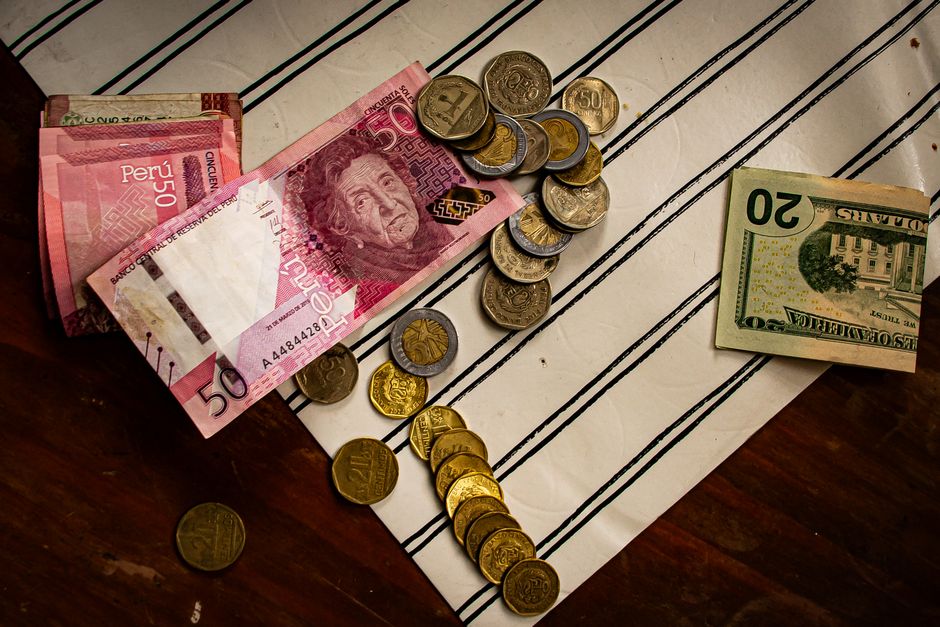
Get ready to make your budget stretch further in the Philippines, where the local currency is the Philippine Peso (PHP) and you can expect a favorable exchange rate of approximately 58 PHP for every 1 US Dollar. This means incredible value awaits you, allowing you to indulge in more experiences and delicious treats without breaking the bank.
To truly navigate like a local and snag the best deals, always make sure you carry smaller denominations like PHP 20, 50, and 100 notes. These are essential for quick transactions with street vendors, when hopping on a vibrant jeepney, or for a thrilling tricycle ride, as larger bills can often be difficult to break.
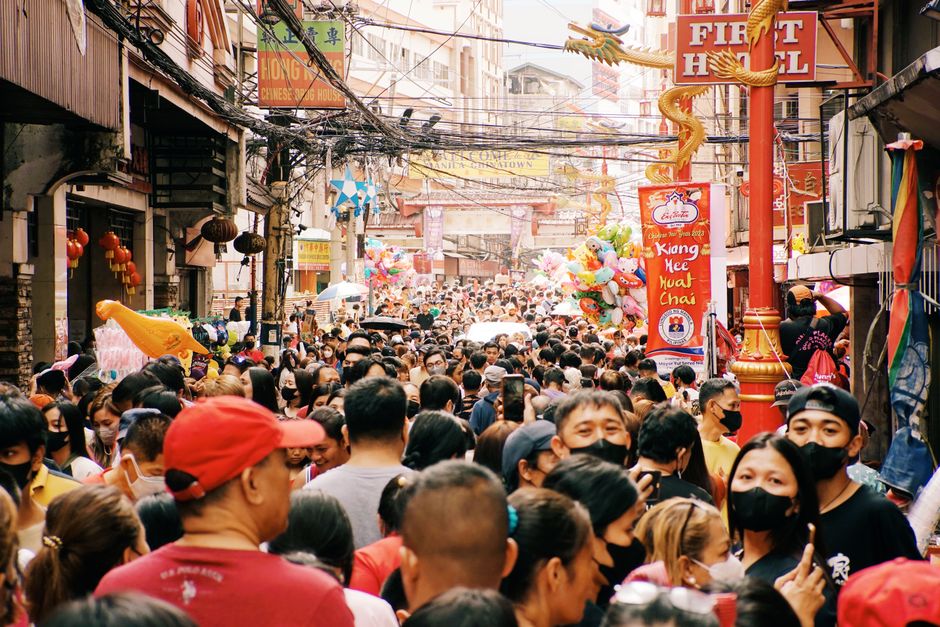
When you’re exploring the bustling local markets, known as ‘palengke,’ don’t shy away from polite bargaining; it’s part of the cultural charm and can often lead to a sweet 10-20% discount on non-fixed price items, making your shopping even more rewarding. This Philippines travel guide ensures you’re always getting the most bang for your buck.
Stay Connected, Stay Savvy: Your Digital Life in the Philippines
Staying connected while exploring the stunning islands of the Philippines is incredibly easy and affordable, ensuring you can share every breathtaking moment with friends and family. Major providers like Smart Communications and Globe Telecom offer excellent coverage across the archipelago, so you’re never truly off the grid.
For seamless navigation and instant updates, grab a 30-day unlimited data SIM card; these typically cost around PHP 999-1200, giving you high-speed data for all your favorite apps. It’s a small investment that pays huge dividends in convenience and peace of mind, letting you post those dazzling beach selfies instantly.
Imagine effortlessly finding the best local eats or navigating to your next adventure with reliable internet access right in your pocket. This simple step transforms your journey, making every discovery just a tap away and enhancing your overall Philippines travel experience.

Island Hopping & City Cruising: Navigating the Philippines Like a Pro
Getting around the Philippines is an adventure in itself, offering a vibrant mix of transportation options that cater to every journey. For transparent pricing and ultimate safety, especially in bustling metropolises like Manila and Cebu, always use the Grab app for your taxi and ride-sharing needs, helping you avoid any potential overcharging.
If you’re arriving at Ninoy Aquino International Airport (MNL) Terminal 3 and heading to the vibrant Makati CBD, a Grab ride typically averages PHP 350-500, though rates can shift dynamically based on traffic and time of day. This reliable service ensures a smooth start to your Philippine escapade.
For inter-island exploration, you’ll find excellent domestic flight options with carriers like Philippine Airlines and Cebu Pacific, whisking you away to paradise in no time. Whether you’re soaring above turquoise waters or cruising through city streets, this Philippines travel guide has your transport covered.
Feast Mode On: What Will Your Filipino Food Adventure Cost?
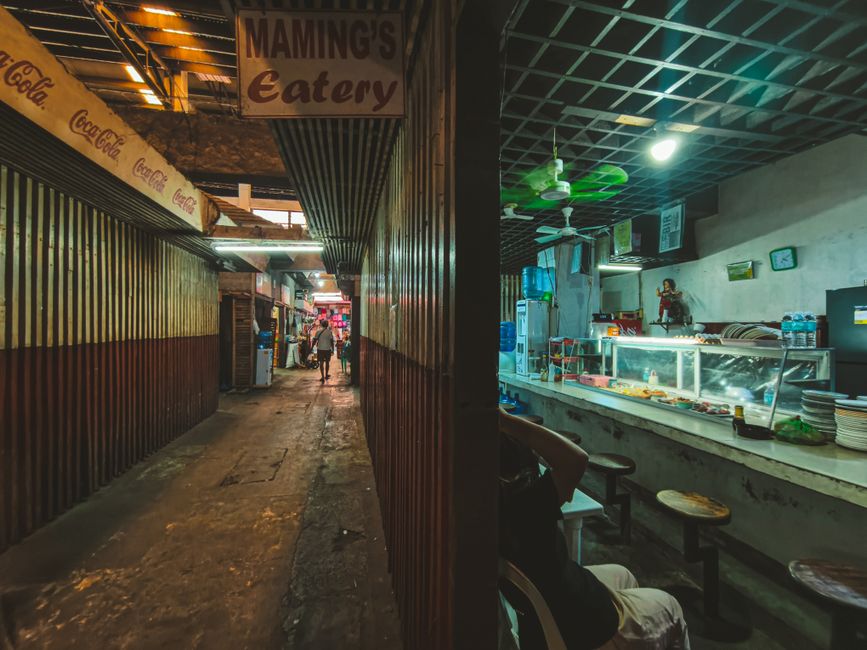
Prepare your taste buds for an unforgettable culinary journey in the Philippines, where incredible flavors come with an equally incredible price tag. You can savor a hearty, authentic local meal at a ‘carinderia’ (a charming local eatery) for as little as PHP 80-150, offering a true taste of home-cooked Filipino goodness.
If you’re craving a more upscale experience, a delicious meal at a mid-range restaurant typically ranges from PHP 300-600, allowing you to explore a wider array of dishes, from sizzling Adobo to crispy lechon. Don’t forget to try the iconic Jollibee for a beloved fast-food experience that Filipinos adore.
For a truly unique and mouth-watering experience, embrace the ‘paluto’ concept in coastal areas: head to the local market, pick out the freshest seafood you can find, and then have a nearby restaurant cook it to perfection for a small fee. It’s a personalized feast that promises melt-in-your-mouth flavors and an authentic local interaction.
Power Up & Time In: Essential Practicalities for Your Philippine Journey
To ensure your devices are always charged and ready for adventure, remember that the Philippines uses Type A, B, and C electrical outlets, with a standard voltage of 220V and a frequency of 60Hz. Make sure to pack a universal adapter so you can power up seamlessly, capturing every moment of your trip.
When planning your itinerary and coordinating with loved ones back home, keep in mind that the Philippines operates on Philippine Standard Time (PST), which is UTC+8. This means you’ll be 8 hours ahead of Coordinated Universal Time, giving you a head start on your day of exploration.
These small but crucial details will ensure your Philippine journey is smooth, stress-free, and fully charged, allowing you to focus on soaking in every incredible experience this vibrant country has to offer.