
What Will a Filipino Feast Cost You?
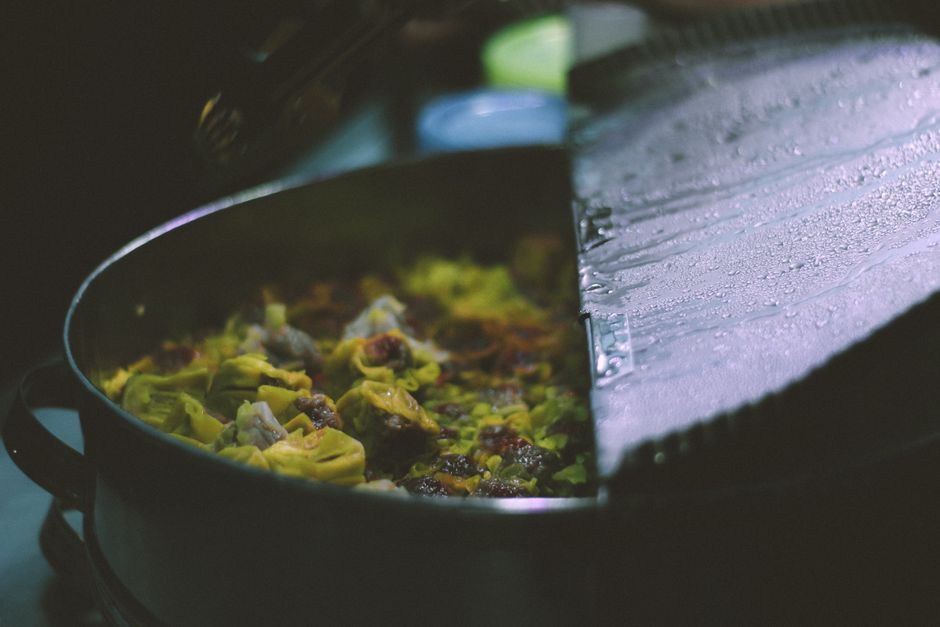
Prepare to be amazed by how far your pesos can stretch when you dive into the incredible culinary landscape of the Philippines! If you’re craving an authentic and budget-friendly experience, you’ll find that a typical street food meal, perhaps a few sizzling BBQ skewers like isaw or betamax paired with a cup of rice, will only set you back approximately PHP 50-100. This is truly a feast for your senses without breaking the bank.
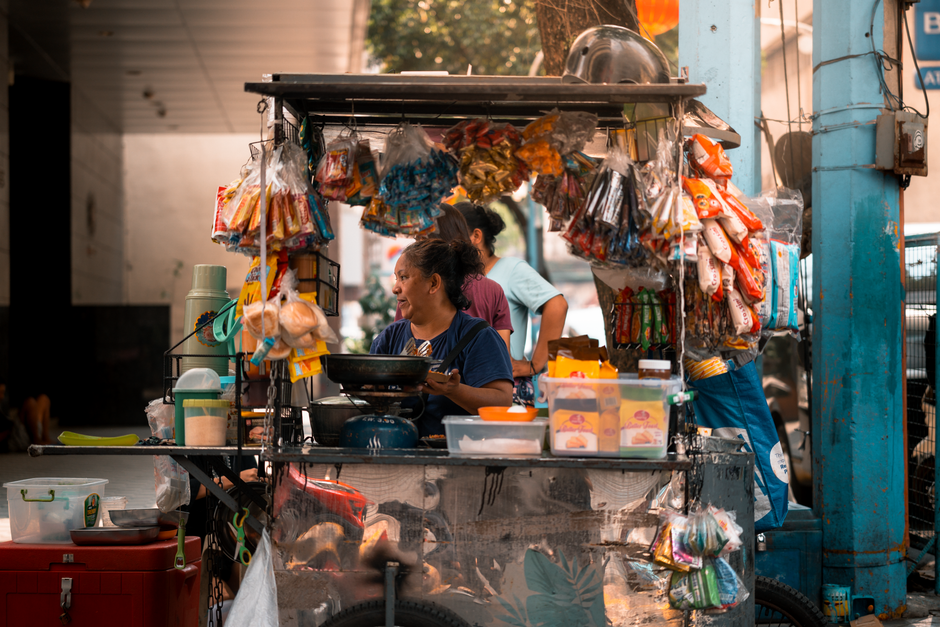
For a more substantial meal, you can head to a local carinderia, those charming eateries offering home-cooked meals, where a full plate of ulam (main dish) and rice can be yours for as little as PHP 80-150. Even if you opt for a mid-range restaurant in a bustling mall food court or a casual dining spot, you’re looking at a very reasonable average of PHP 250-400 per person, making this Philippines food guide a true friend to your wallet.
Thirsty? A refreshing bottle of the iconic San Miguel Pale Pilsen from a local sari-sari store or carinderia is typically priced at a delightful PHP 40-60. And for your caffeine fix, a cup of local brewed coffee from a small cafe will usually cost you PHP 80-120. If you prefer the convenience of food delivery, popular apps like GrabFood and foodpanda are widely used in urban areas, with delivery fees typically ranging from PHP 50-100 depending on distance, ensuring your cravings are always within reach.
When it comes to tipping, you’ll find it’s not mandatory in most local eateries and carinderias, which is a lovely bonus for your budget. However, in higher-end restaurants, a 5-10% tip is always appreciated if a service charge isn’t already included, a small gesture that goes a long way in showing your gratitude for excellent service.
Taste of the Tropics: Must-Try Filipino Delights
Get ready to embark on a flavor adventure that will ignite your taste buds and leave you craving more! You absolutely must dive into ADOBO, the Philippines’ unofficial national dish, a succulent symphony of braised meat (often chicken or pork) slow-cooked in a rich, tangy blend of soy sauce, vinegar, garlic, and peppercorns. Its savory depth is simply unforgettable.
Next on your culinary quest, prepare for the invigorating sourness of SINIGANG, a beloved tamarind-based soup bursting with fresh vegetables and your choice of meat or seafood. This comforting and zesty dish is a true Filipino staple, perfect for any weather, and will awaken your palate with every spoonful. You’ll find yourself reaching for seconds, guaranteed!
For a truly celebratory experience, you cannot leave without trying LECHON, the magnificent whole roasted pig with its incredibly crispy skin and tender, juicy meat. This show-stopping dish is a cornerstone of Filipino feasts and special occasions, promising a melt-in-your-mouth sensation that is pure culinary bliss. It’s an experience you’ll recount for years to come.
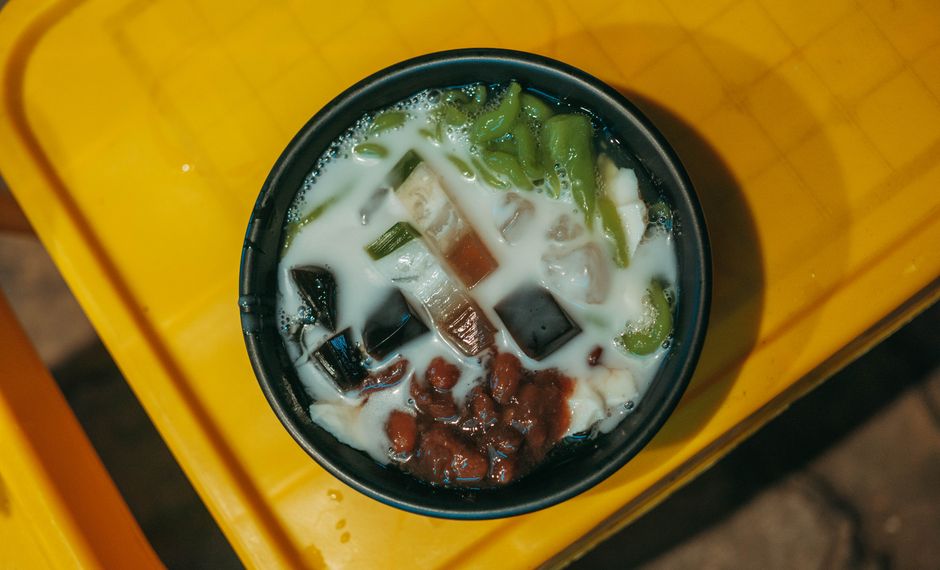
And for the grand finale, cool down with the vibrant and playful HALO-HALO, a popular dessert that literally means ‘mix-mix.’ Imagine a towering glass filled with shaved ice, sweet beans, jellies, fruits, leche flan, and a generous scoop of ube ice cream, all drizzled with evaporated milk. It’s a colorful, refreshing, and utterly delightful treat that perfectly caps off any Filipino meal.
Jollibee & Beyond: Iconic Bites You Can’t Miss
When you’re exploring the Philippines, one name you’ll hear everywhere is JOLLIBEE, the iconic Filipino fast-food chain that holds a special place in every local’s heart. You absolutely have to experience the legendary Chickenjoy meal, featuring perfectly crispy, juicy fried chicken served with a side of gravy and rice, all for around PHP 100-150. It’s more than just a meal; it’s a cultural institution and a taste of pure Filipino happiness!
Beyond the beloved bee, you’ll quickly discover the national thirst-quencher: SAN MIGUEL PALE PILSEN. This refreshing beer is a staple at every gathering, from casual carinderia lunches to lively evening celebrations. Grab a bottle for just PHP 40-60 in a local store and join in the camaraderie; it’s the perfect way to unwind and connect with the local vibe.
But your journey through this Philippines food guide doesn’t stop there! Keep an eye out for other local favorites that define the fast-food scene and street corners. From the sweet spaghetti that Jollibee is also famous for, to the savory empanadas and fresh lumpia available at local bakeries, you’ll find a delightful array of quick, satisfying bites that reflect the vibrant culinary spirit of the islands. Don’t be shy; try them all!
Eating Like a Local: Savvy Tips for Filipino Foodies
To truly immerse yourself in the local food scene and snag the most authentic, budget-friendly meals, you absolutely must seek out ‘carinderias.’ These charming local eateries are where you’ll find delicious home-cooked dishes, often with a full meal (ulam and rice) costing a mere PHP 80-150. My insider tip for you: look for places with a high customer turnover; it’s a sure sign of freshness and popularity!
When you’re enjoying your Filipino dishes, always remember to ask for ‘suka’ (vinegar) and ‘toyomansi’ (soy sauce with calamansi). These essential condiments are the secret weapons for enhancing the flavors of countless meals, adding that perfect tangy or savory kick that locals adore. Don’t be afraid to experiment and find your favorite combination!
If you’re adventurous enough to dive into the vibrant world of street food, and I highly recommend you do, remember a few golden rules for a safe and delicious experience. Always opt for vendors who cook items fresh right in front of you, and pay attention to visible cleanliness. Avoid items that appear to have been sitting out for extended periods; fresh is always best!
Finally, a quick note on tipping: it’s generally not mandatory in most local eateries and carinderias, so you don’t need to worry about it there. However, if you’re dining in higher-end restaurants and you’ve received excellent service, a tip of typically 5-10% is greatly appreciated, especially if a service charge isn’t already included in your bill. Enjoy every delicious moment of your culinary exploration!