
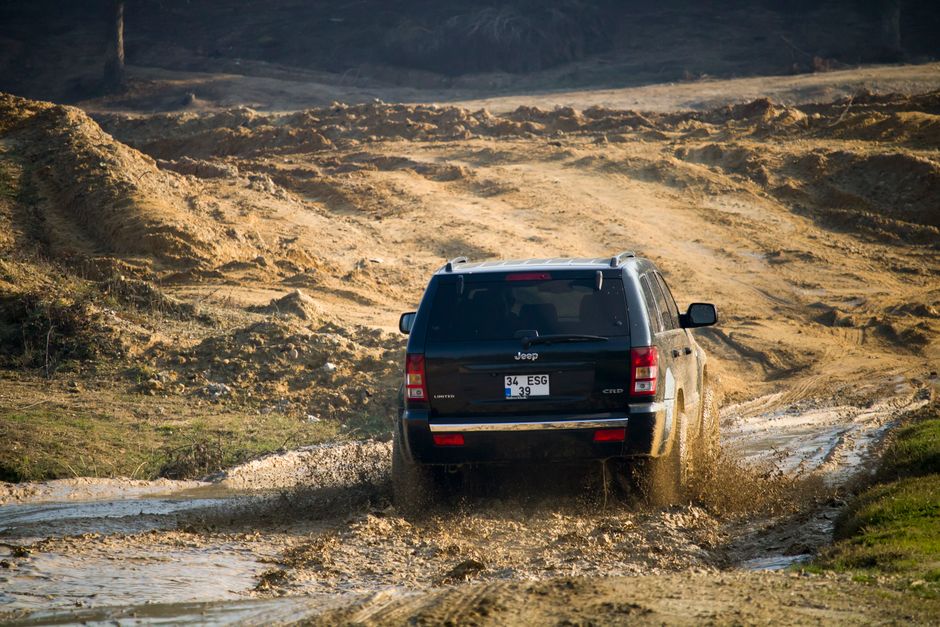
Choosing Your Perfect Pura Vida Ride: Why a 4×4 is Your Best Friend in Costa Rica
Imagine yourself cruising through lush rainforests, chasing waterfalls, and discovering hidden beaches – this is the magic of a Costa Rican road trip! To truly unlock the country’s breathtaking beauty, a robust 4×4 or high-clearance SUV is an absolute game-changer. Forget sticking to paved roads; many of the most incredible adventures lie just off the beaten path, often on unpaved, potholed, or even river-crossing routes, especially during the vibrant rainy season.
We highly recommend opting for a compact SUV like a Suzuki Vitara or Hyundai Creta to confidently tackle Costa Rica’s varied terrain. While daily rental rates might average $45-$70 USD during the low season (May-November) and $70-$120 USD in the high season (December-April), this investment ensures you won’t miss out on any Pura Vida moment. This is where your Costa Rica car rental truly begins to shine, offering unparalleled freedom to explore.
Don’t let a standard sedan limit your horizons; you’ll want the power and clearance to navigate those exhilarating, less-traveled roads that lead to unforgettable vistas. Embrace the adventure and choose a vehicle that can keep up with your wildest exploration dreams!
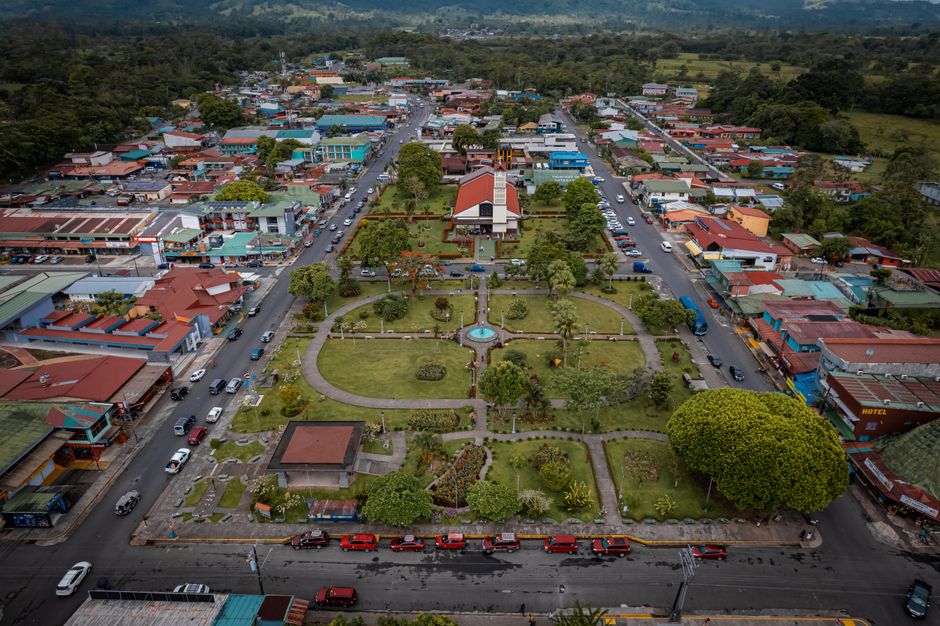
Unmasking the True Cost: Rental Rates, Mandatory Insurance & Hidden Fees in Costa Rica
Navigating the true cost of your Costa Rica car rental can feel like a puzzle, but with a few insider tips, you’ll be a pro! Be incredibly wary of those unbelievably low online quotes from big names like Alamo Car Rental Costa Rica or National Car Rental Costa Rica. These often exclude the legally required mandatory liability insurance (SLI/TPL), which can easily double your advertised price.
This crucial SLI/TPL, often provided by companies like Sura, typically adds an extra $15-$25 USD per day to your bill and is non-negotiable. While Collision Damage Waiver (CDW) is optional, costing around $10-$20 USD daily, we highly recommend it for your peace of mind. Always confirm the total price, including all required insurance, before you click that booking button with any agency, whether it’s Hertz Costa Rica or local favorites like Adobe Rent a Car and Vamos Rent-A-Car.
Remember, a typical security deposit ranging from $750-$1,500 USD will be held on your major credit card, so ensure you have sufficient available credit. Being prepared for these costs upfront means no unwelcome surprises, just smooth sailing into your Pura Vida adventure!
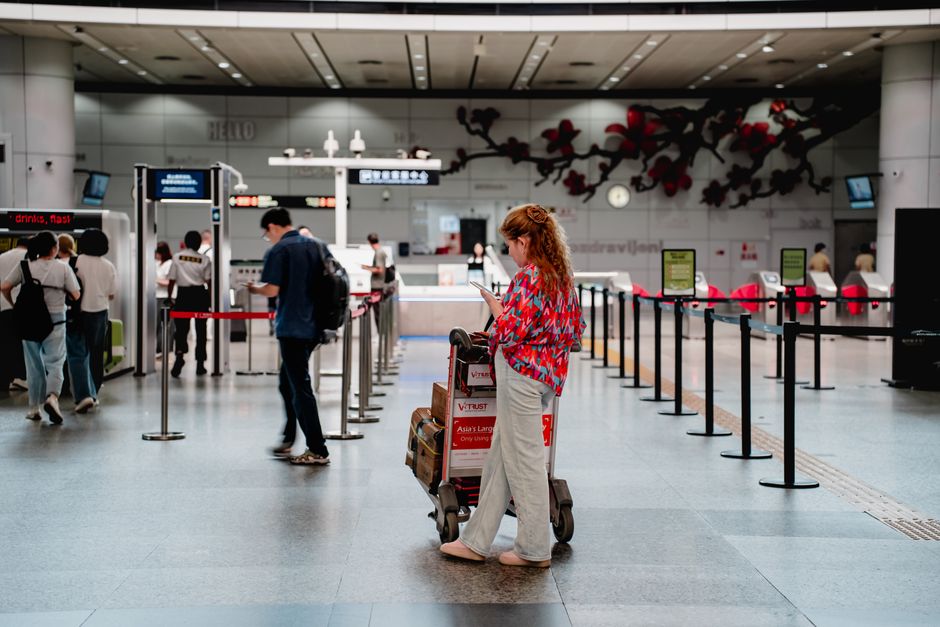
Navigating the Roads: Fueling Up & Conquering Tolls in Costa Rica
Getting around Costa Rica is an adventure in itself, and understanding fuel and toll logistics will make your journey seamless. Fuel prices for regular gasoline (Gasolina Plus 91) average around ₡750-₡800 CRC per liter, which translates to approximately $1.40-$1.50 USD per liter or $5.30-$5.70 USD per gallon, based on late 2023/early 2024 figures. You’ll find plenty of gas stations, but it’s always smart to top up before heading into more remote areas.
When it comes to tolls, the main artery, Ruta 27 (San José-Caldera), features multiple booths along its scenic route. A full one-way trip will set you back approximately ₡3,000-₡4,000 CRC ($5-$7 USD). You can easily pay these tolls with local currency or USD cash, so always keep some small bills handy.
For ultimate convenience, consider asking your Costa Rica car rental agency about a QuickPass electronic tag. This fantastic system allows you to glide through toll booths without fumbling for cash, making your drive even more enjoyable and efficient.
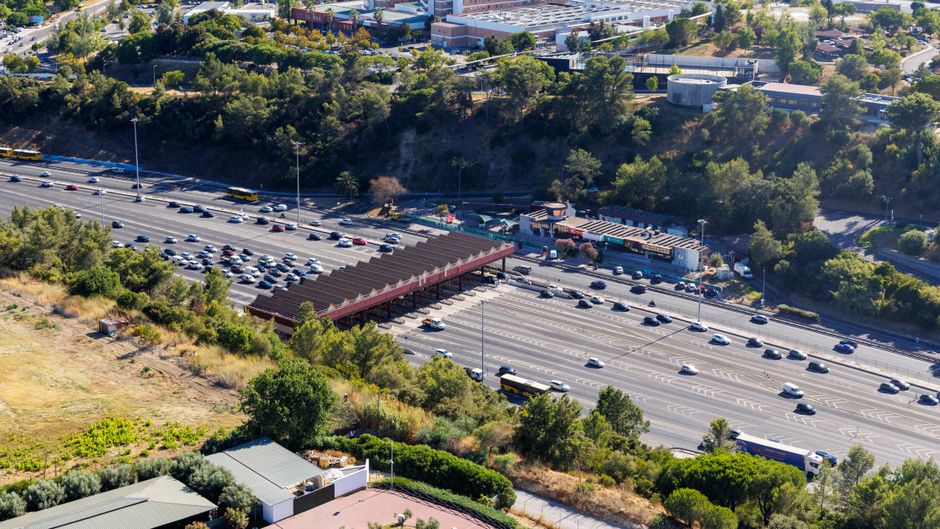
Smart Driving Hacks: Essential Tips for a Smooth Costa Rican Road Trip
To truly master your Costa Rican road trip, a few smart hacks will elevate your experience from good to absolutely unforgettable! First and foremost, ditch the expensive GPS rental from agencies, which can cost $10-$15 USD per day. Instead, empower yourself by downloading offline maps for Waze or Google Maps onto your smartphone before you even land at Juan Santamaría International Airport (SJO) or Daniel Oduber Quirós International Airport (LIR).
Cell signal can be notoriously spotty in rural areas, making these offline maps invaluable for navigating Costa Rica’s often poorly signed roads and finding specific addresses, which are frequently described by landmarks rather than street numbers. This simple step will save you money and prevent any navigational headaches.
Finally, before you drive away from the rental lot, conduct a thorough inspection of your vehicle. Take photos and videos of any existing scratches, dents, or tire conditions. Documenting everything meticulously ensures you won’t be charged for pre-existing damage upon return, allowing you to focus purely on the exhilarating journey ahead!