
How to Travel on a Budget: Exploring Southeast Asia in 2026
Travel on a Budget Southeast Asia 2026 highlights the region’s reputation as a budget-friendly destination, offering a diverse range of affordable experiences. From the bustling streets of Bangkok to the serene beaches of Bali, Southeast Asia provides an array of cultural, culinary, and natural wonders that can be explored economically. The region’s affordability is bolstered by its extensive network of budget accommodations, cheap transportation options, and a plethora of free or low-cost activities, making it an ideal choice for budget travelers.
Introduction to Budget Travel in Southeast Asia
Southeast Asia stands out as a premier destination for budget travelers due to its low cost of living and diverse attractions. Countries such as Thailand, Vietnam, and Indonesia offer a wealth of experiences that cater to travelers seeking both adventure and relaxation without a hefty price tag. The region’s affordability is complemented by its rich cultural heritage, stunning natural landscapes, and vibrant local communities, making it an ideal choice for those looking to maximize their travel experiences on a budget.
The variety of experiences available in Southeast Asia is unparalleled. From exploring ancient temples in Cambodia to diving in the crystal-clear waters of the Philippines, the region offers something for every type of traveler. The affordability of these experiences is further enhanced by the availability of budget-friendly accommodations, cheap transportation, and an abundance of street food, allowing travelers to immerse themselves in the local culture without overspending.
Budget travelers can take advantage of the favorable exchange rates and low cost of living in Southeast Asia to stretch their travel funds further. By planning strategically and utilizing local resources, travelers can enjoy a rich and fulfilling travel experience that rivals more expensive destinations. The key to successful budget travel in Southeast Asia lies in understanding the local culture, embracing the region’s unique offerings, and making informed decisions about where to allocate travel funds.
- Research visa requirements and costs for each country.
- Use travel forums and blogs to gather tips from other budget travelers.
- Plan your itinerary to include a mix of popular and off-the-beaten-path destinations.
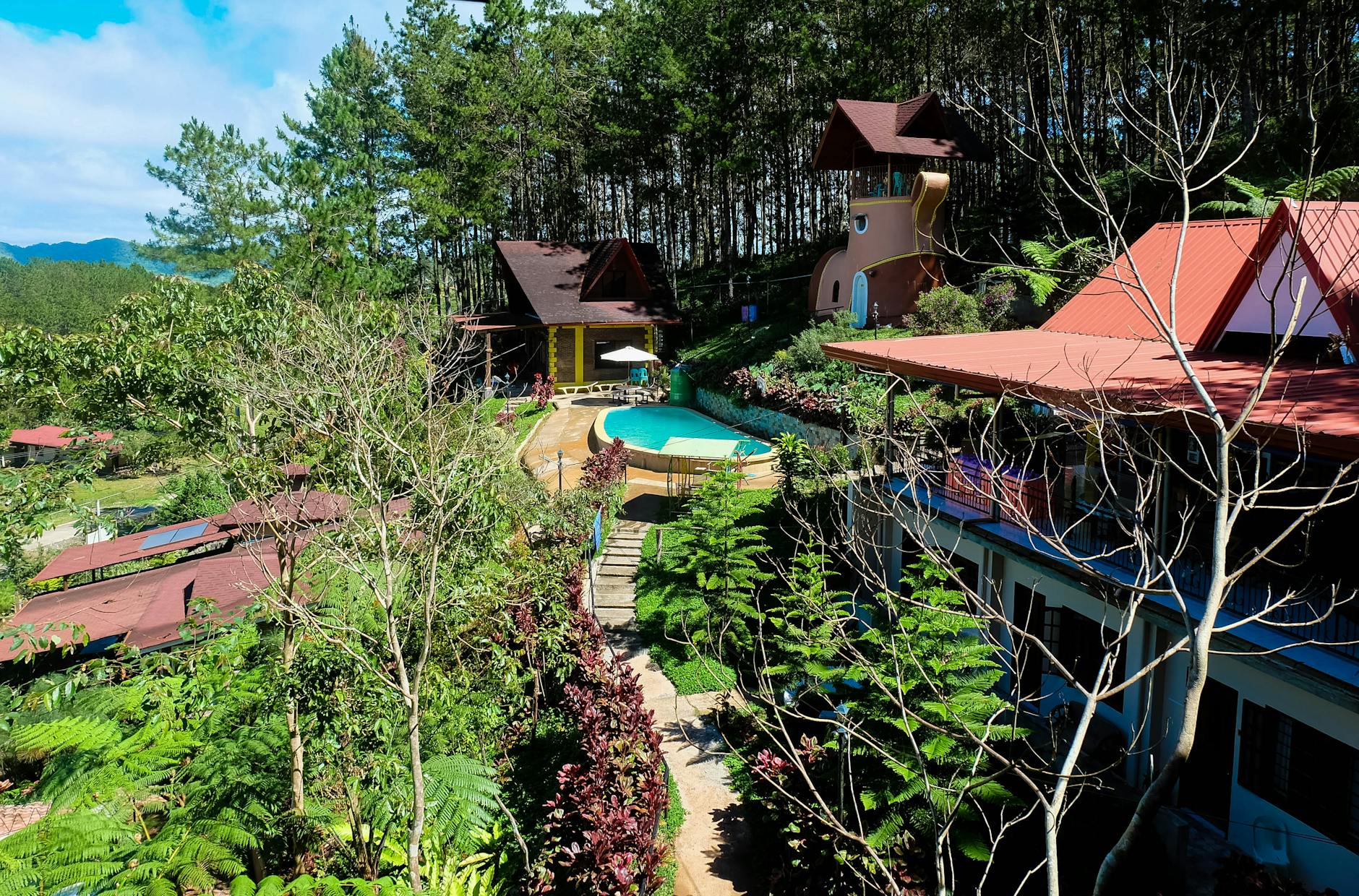
Affordable Accommodation Options
Southeast Asia offers a wide range of budget accommodation options, including hostels, guesthouses, and homestays. Hostels are particularly popular among young travelers and backpackers, providing affordable dormitory-style lodging with opportunities to meet fellow travelers. Many hostels also offer private rooms at competitive rates, making them a versatile choice for budget-conscious travelers.
Guesthouses and homestays provide a more intimate and culturally immersive experience. These accommodations are often family-run and offer a glimpse into local life, with hosts who can provide valuable insights and recommendations. Booking platforms such as Airbnb and Booking.com make it easy to find and compare prices for these types of accommodations, ensuring travelers can secure the best deals.
To maximize savings on accommodation, travelers should consider booking in advance, especially during peak travel seasons. Additionally, joining loyalty programs or using travel credit cards with accommodation discounts can further reduce costs. By being flexible with travel dates and locations, travelers can take advantage of last-minute deals and promotions, ensuring they get the best value for their money.
- Use comparison websites to find the best accommodation deals.
- Consider staying in less touristy areas for cheaper rates.
- Look for accommodations that offer free breakfast or kitchen facilities.

Handy Tool: To make your next trip seamless, secure, and stress-free, use our recommended platform below:
Cheap Transportation Methods
Public transportation is one of the most cost-effective ways to travel around Southeast Asia. Cities like Bangkok and Kuala Lumpur have extensive metro and bus networks that offer affordable fares and convenient access to major attractions. Local buses and trains are also widely available for intercity travel, providing a budget-friendly alternative to more expensive private transfers.
Budget airlines such as AirAsia and Scoot offer cheap flights between major cities in Southeast Asia, making it easy to cover long distances quickly and affordably. Travelers should keep an eye out for promotional fares and book flights in advance to secure the best prices. Additionally, traveling with carry-on luggage only can help avoid extra fees and streamline the airport experience.
For shorter distances, renting a scooter or bicycle can be an economical and flexible way to explore local areas. Many towns and cities have rental shops offering competitive daily rates, allowing travelers to explore at their own pace. However, it’s important to ensure proper safety measures and insurance coverage when using these modes of transport.
- Use ride-sharing apps for affordable and convenient transportation.
- Purchase a local SIM card for easy access to transportation apps.
- Consider overnight buses or trains to save on accommodation costs.

Eating on a Budget: Street Food and More
Street food is a staple of Southeast Asian cuisine and offers an affordable way to experience the region’s diverse culinary offerings. Markets and street stalls serve a variety of dishes, from Thai pad thai to Vietnamese pho, at prices that are significantly lower than those in restaurants. Eating street food not only saves money but also provides an authentic taste of local culture.
In addition to street food, local markets and food courts are excellent places to find budget-friendly meals. These venues offer a wide selection of dishes at reasonable prices, allowing travelers to sample a variety of flavors without overspending. Many markets also sell fresh produce and snacks, which can be a cost-effective option for self-catering meals.
Travelers should also consider dining at local restaurants that cater to residents rather than tourists. These establishments often offer set menus or daily specials at lower prices. By avoiding tourist hotspots and seeking out local dining experiences, travelers can enjoy delicious meals while keeping their food budget in check.
- Try local specialties at street food stalls for authentic flavors.
- Visit night markets for a wide variety of affordable food options.
- Carry a reusable water bottle to save on buying drinks.
Free and Low-Cost Activities
Southeast Asia is rich in cultural and natural attractions that can be enjoyed for free or at a low cost. Many cities and towns have temples, parks, and historical sites that are open to the public without an entrance fee. Exploring these sites on foot or by bicycle can provide a deeper understanding of the local culture and history.
Nature lovers will find plenty of opportunities for outdoor activities such as hiking, swimming, and snorkeling. National parks and beaches often have minimal or no entry fees, allowing travelers to enjoy the region’s natural beauty without spending a fortune. Participating in free walking tours or joining local community events can also offer unique insights into the local way of life.
Art and culture enthusiasts can take advantage of free museum days or attend cultural festivals that showcase traditional music, dance, and crafts. Many cities host free events and performances, especially during holidays and special occasions. By planning ahead and researching local events, travelers can enjoy a rich cultural experience without incurring additional costs.
- Join free walking tours to explore cities with a local guide.
- Visit public parks and gardens for relaxation and leisure.
- Attend local festivals and events for cultural immersion.
Managing Travel Expenses Effectively
Effective management of travel expenses is crucial for budget travelers in Southeast Asia. One of the key strategies is to set a daily budget and track spending using travel apps. These apps can help monitor expenses and provide insights into where money is being spent, allowing travelers to adjust their spending habits accordingly.
Currency exchange is another important consideration for managing travel expenses. Travelers should compare exchange rates and avoid exchanging money at airports, where rates are often less favorable. Using a travel credit card with no foreign transaction fees can also help save money on purchases and withdrawals.
Travel insurance is an essential expense that should not be overlooked. It provides peace of mind and financial protection in case of emergencies or unexpected events. By choosing a policy that covers medical expenses, trip cancellations, and lost belongings, travelers can safeguard their budget and enjoy their trip with confidence.
- Use budgeting apps to track daily expenses and stay on budget.
- Exchange currency in advance to get better rates.
- Purchase travel insurance to protect against unforeseen expenses.
Traveling During Off-Peak Seasons
Traveling during off-peak seasons is a highly effective strategy for saving money in Southeast Asia. Off-peak periods typically fall outside of major holidays and school vacation times, resulting in lower prices for flights, accommodations, and attractions. By planning trips during these times, travelers can take advantage of significant savings and enjoy a more relaxed travel experience.
In addition to cost savings, traveling during off-peak seasons means encountering fewer crowds at popular tourist sites. This allows for a more enjoyable and immersive experience, as travelers can explore attractions at their own pace without the hustle and bustle of peak season crowds. It also provides an opportunity to interact more closely with locals and gain a deeper understanding of the region’s culture and traditions.
To successfully plan a trip during the off-peak season, travelers should research the best times to visit each destination based on weather patterns and local events. Flexibility with travel dates and destinations can also help in finding the best deals. By incorporating these strategies, travelers can make the most of their Travel on a Budget Southeast Asia 2026 adventure, enjoying both cost savings and a richer travel experience.
- Research off-peak travel times for each destination.
- Be flexible with travel dates to find the best deals.
- Book flights and accommodations in advance for additional savings.