

When Every Second Counts: Your Emergency Lifelines in Costa Rica
Embarking on your Costa Rican adventure fills you with excitement, and knowing your emergency lifelines are solid provides immense peace of mind. Should you ever face an urgent situation, whether it’s a medical need, a fire, or requiring police assistance, your immediate go-to is incredibly simple to remember.
Just dial 911, the unified emergency number that connects you directly to police, fire, and ambulance services across the entire country. For non-urgent tourist-specific issues, perhaps a lost item or needing general guidance, you can reach the dedicated Polic
ía Tur
ística (Tourist Police) directly at +506 2296-2000, ensuring you always have a friendly voice ready to assist.
Beyond these immediate contacts, you’ll find robust support from the Fuerza P
ública (National Police), the compassionate Cruz Roja Costarricense (Costa Rican Red Cross), and the swift Bomberos de Costa Rica (Fire Department). For more serious matters requiring investigation, the Organismo de Investigaci
ón Judicial (OIJ) is the primary body, and you can find more information on their official website, oij.go.cr, all contributing to your overall Costa Rica safety and emergencies preparedness.

Navigating Health: What to Expect if You Need a Doctor in Costa Rica
While we all hope for a perfectly healthy trip, understanding your options for medical care in Costa Rica is a smart move. You’ll discover that the country boasts excellent healthcare facilities, especially in and around major cities, ensuring you’re in capable hands if an unexpected sniffle or sprain arises.
If you need a private doctor consultation in bustling areas like San Jos
é, expect the cost to typically range between $80-$150 USD. It’s good to know that these fees are often payable upfront, so having your travel insurance details handy for reimbursement is a brilliant idea unless your policy offers direct billing.
Costa Rica also operates a comprehensive public health system, the Caja Costarricense de Seguro Social (CCSS), but for travelers, private clinics often provide quicker access and English-speaking staff. Always prioritize your well-being, and don’t hesitate to seek care, knowing that your Costa Rica safety and emergencies plan includes reliable medical support.

Smart Moves: Keeping Your Adventures Safe & Sound in Costa Rica
Exploring Costa Rica is an absolute thrill, and with a few smart moves, you can keep your adventures safe and utterly joyful. It’s all about being aware and making choices that protect your precious memories and belongings.
When you’re zipping around, always opt for official, registered taxis – you’ll spot them by their vibrant red color, a yellow triangle on the door, and that essential meter, often called a ‘Mar
ía’. Alternatively, embrace the convenience of reputable ride-sharing apps like Uber or Didi to avoid any unlicensed drivers and potential scams, ensuring your journey is always smooth.
A crucial tip for your Costa Rica safety and emergencies strategy is never to leave valuables visible in parked cars, especially at national park entrances, beach access points, or remote trailheads. Car break-ins can happen, so always choose secure parking lots when they’re available and keep your treasures out of sight, safeguarding your peace of mind as you hike or relax.

Ocean Whispers & Warnings: Conquering Costa Rica’s Pacific Waves
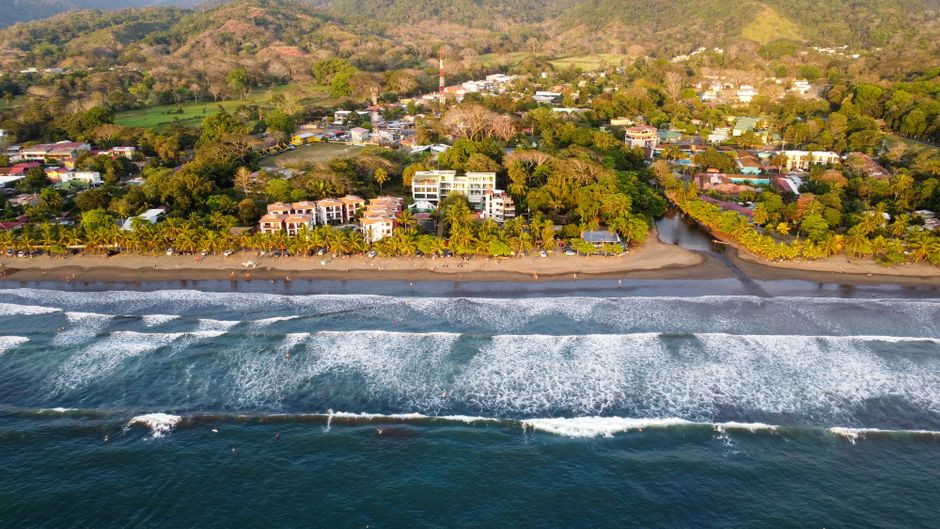
The Pacific coast of Costa Rica calls to you with its shimmering, sun-drenched beaches and exhilarating waves, promising unforgettable moments. While the ocean’s embrace is irresistible, it’s vital to respect its power and understand its whispers and warnings.
Many popular Pacific beaches, including stunning spots like Manuel Antonio and Tamarindo, utilize a clear and helpful colored flag system to indicate rip current danger. A green flag means low hazard, yellow signals a medium hazard, and a red flag warns of a high hazard, so always check before you dive in.
If you ever find yourself caught in a powerful rip current, remember this life-saving advice: do not fight the current by swimming directly back to shore. Instead, conserve your energy and swim parallel to the shore until you feel yourself out of the current’s pull, then you can safely swim back to land, conquering the waves with smarts and strength.
Your Home Away From Home: Connecting with Your Embassy in Costa Rica
Even in the most vibrant and welcoming destinations, knowing you have a touchstone to your home country can be incredibly reassuring. Your embassy or consulate in San Jos
é acts as that vital connection, a true home away from home, ready to assist you when you need it most.
We highly recommend registering your travel plans with your country’s embassy or consulate upon your arrival. This simple yet powerful step allows them to easily contact you in the event of an emergency, whether it’s a personal crisis or a larger natural disaster affecting the region, providing an invaluable layer of support.
This proactive connection ensures that your embassy is aware of your presence and can offer timely assistance, from replacing a lost passport to providing guidance during unforeseen circumstances. It’s a fundamental part of a comprehensive approach to Costa Rica safety and emergencies, giving you that extra layer of confidence as you explore this incredible nation.