
Culture of Cyprus
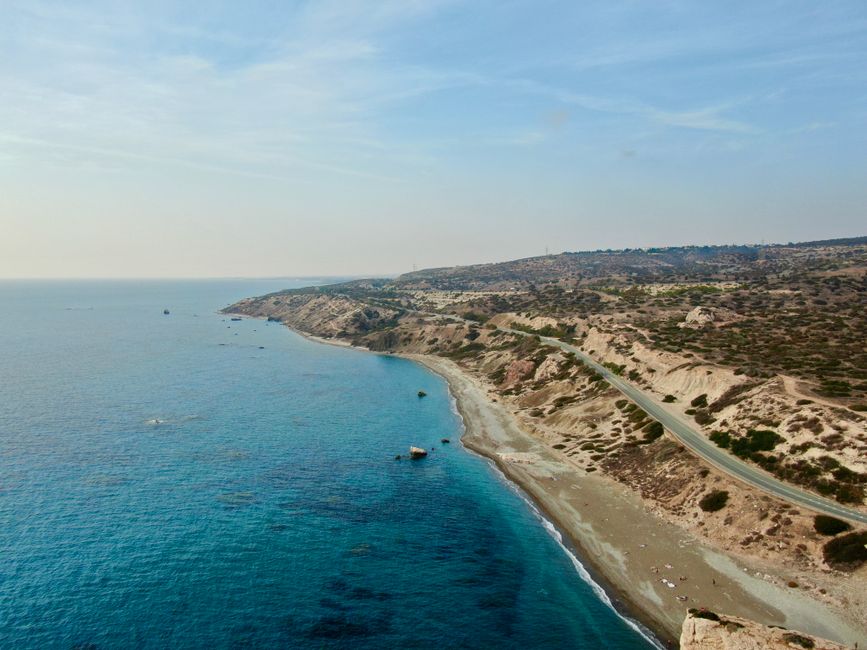
Cyprus UNESCO Sites & Major Cultural Attractions
Cyprus is home to three distinguished UNESCO World Heritage Sites, each offering a profound glimpse into the island’s rich past and serving as primary Cyprus cultural attractions. These include the entire city of Paphos, encompassing the Paphos Archaeological Park and the Tombs of the Kings, the remarkable Painted Churches in the Troodos Region, with ten distinct churches like Agios Nikolaos tis Stegis, and the ancient Neolithic settlement of Choirokoitia. Beyond these monumental sites, visitors can explore other significant Cyprus cultural attractions such as the Kourion Archaeological Site, alongside major museums like the Cyprus Museum in Nicosia, the island’s largest archaeological museum, the Leventis Municipal Museum of Nicosia, and the Byzantine Museum, all preserving invaluable artifacts and historical narratives.

Entrance Fees & Operating Hours
Understanding the practicalities of visiting Cyprus cultural attractions is essential for planning. Standard entrance fees for major archaeological sites, including Kourion and the Tombs of the Kings, typically range from EUR 4.50 to EUR 6.00 per person, offering accessible entry to ancient wonders. The Cyprus Museum in Nicosia, a cornerstone of the island’s archaeological heritage, maintains an entrance fee of EUR 4.50. Most archaeological sites and museums operate from 08:30 to 17:00 during the winter months (November to March) and extend their hours to 08:30 to 19:30 in the summer season (April to October), though visitors should note reduced hours on weekends and public holidays. Additionally, many smaller, community-run museums in villages, such as local Folk Art Museums, often provide free entry or request a nominal donation of EUR 1-2, making cultural exploration highly affordable.

Top Cultural Festivals & Events
Cyprus truly comes alive through its vibrant calendar of cultural festivals and events, showcasing the island’s dynamic artistic spirit and offering diverse Cyprus cultural attractions. The Kypria International Festival stands as Cyprus’s premier cultural event for performing arts, captivating audiences annually from September to October across major cities with a rich program of theatre, dance, and music. Beyond this flagship event, the island hosts other significant celebrations, including the lively Limassol Wine Festival in September, which celebrates the island’s viticultural heritage, and the beautiful Anthestiria Flower Festival in May, a colorful tribute to spring and nature. These festivals provide immersive experiences into Cypriot traditions and contemporary arts.
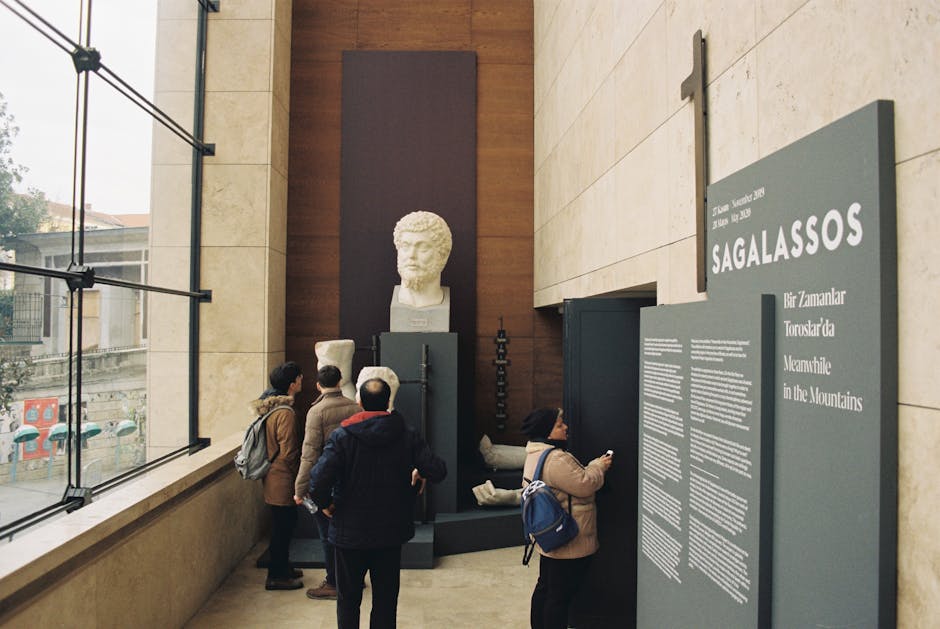
Discovering Authentic Cypriot Traditions
Delving into authentic Cypriot traditions reveals a rich tapestry of craftsmanship, culinary excellence, and enduring heritage. Visitors can explore the intricate art of Lefkaritika lace in Lefkara village, a UNESCO-recognized craft, or witness the traditional pottery making in Fini village, where ancient techniques are still practiced. The island’s culinary landscape is equally compelling, featuring world-renowned Halloumi cheese, the succulent Souvla grilled meat, and the historic Commandaria wine, one of the oldest named wines in the world. The Department of Antiquities, accessible at www.mcw.gov.cy/da, plays a crucial role in preserving and promoting these invaluable cultural assets, ensuring their legacy for future generations.
Practical Tips for Your Cultural Journey
To maximize your experience exploring Cyprus cultural attractions, strategic planning is highly recommended. Consider visiting major archaeological sites like Kourion or Paphos Archaeological Park immediately at their opening time of 08:30 or in the late afternoon after 16:00 to effectively avoid peak crowds and the intense midday sun, especially during the warmer months from May to September. For those planning to visit multiple sites within the same archaeological park, such as Paphos, inquire about purchasing a combined ticket, which often includes several attractions for a single fee and can result in significant savings on individual entry costs. Furthermore, embrace the opportunity to explore the smaller, often free, village museums and cultural centers located in rural areas like the Troodos villages; these hidden gems offer an authentic glimpse into local traditions and history, often with fewer tourists and more personal interaction.