
Regions of Mexico

Understanding Mexico’s Geographic Regions
Mexico, a vast and culturally rich nation, is officially divided into 32 federal entities, comprising 31 states and the autonomous Mexico City, each offering distinct experiences for travelers. This intricate political geography directly influences the diverse landscapes, climates, and cultural expressions found across the country. Understanding these divisions is crucial for anyone planning an extensive journey, providing a foundational element for any comprehensive Mexico travel regions guide.
The country’s expansive territory also spans four distinct time zones: Zona Noroeste, Zona Pacífico, Zona Centro, and Zona Sureste, which can impact travel logistics, especially for those moving between distant regions. From the arid deserts of the north to the lush jungles of the south, each federal entity presents unique attractions, from ancient ruins to vibrant modern cities and pristine coastlines. This regional diversity ensures that every visit to Mexico can be a unique adventure, tailored to specific interests and travel styles.

Navigating Between Mexico’s Regions: Transport Guide
Efficient inter-regional travel in Mexico relies on a robust network of domestic flights and luxury long-distance buses. For significant distances exceeding 500 km, such as traveling from Mexico City to Cancun, domestic flights are the most time-efficient option, typically costing between USD 50-150 one-way when booked in advance. Major domestic airlines like Aeromexico (aeromexico.com), Volaris (volaris.com), and VivaAerobus (vivaaerobus.com) offer extensive routes connecting key regional hubs.
For shorter to medium distances, luxury long-distance buses provide a comfortable and cost-effective alternative, often surpassing the convenience of multiple short flights. ADO (ado.com.mx) is the primary carrier for southern and southeastern regions, while ETN (etn.com.mx) and Primera Plus (primeraplus.com.mx) dominate routes in the central and northern parts of the country. Utilizing services like ADO Platino or ETN Clase Premier can significantly enhance comfort and save money compared to air travel for journeys like Mexico City to Oaxaca. For further planning, the official national tourism portal, VisitMexico (visitmexico.com), offers valuable resources for navigating the country’s regions.
Best Times to Visit Mexico’s Climate Zones
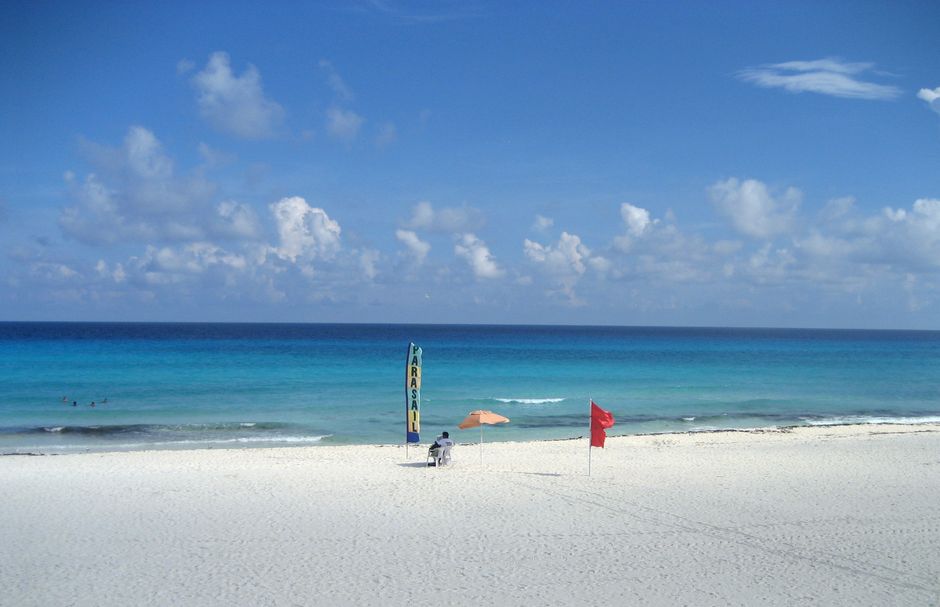
Mexico’s diverse climate zones necessitate careful planning to ensure an optimal travel experience, a key component of any effective Mexico travel regions guide. The Yucatan Peninsula, encompassing the popular Riviera Maya, experiences its peak tourist season from December to April, characterized by pleasant average temperatures around 28°C (82°F) and minimal rainfall, ideal for beach activities and exploring ancient Mayan sites. This dry season offers the most comfortable conditions for coastal exploration.
In contrast, the Central Highlands, home to destinations like Mexico City and San Miguel de Allende, enjoy a temperate climate year-round, making them appealing throughout much of the year. However, this region experiences a distinct rainy season from May to October, with afternoon showers being common. When planning multi-region trips, it is advisable to visit the Caribbean coast during its dry season and consider the central highlands during the shoulder seasons of April-May or October-November to avoid both peak crowds and heavy rains, ensuring a more enjoyable journey across varied landscapes.
Top Regional Destinations & UNESCO Sites
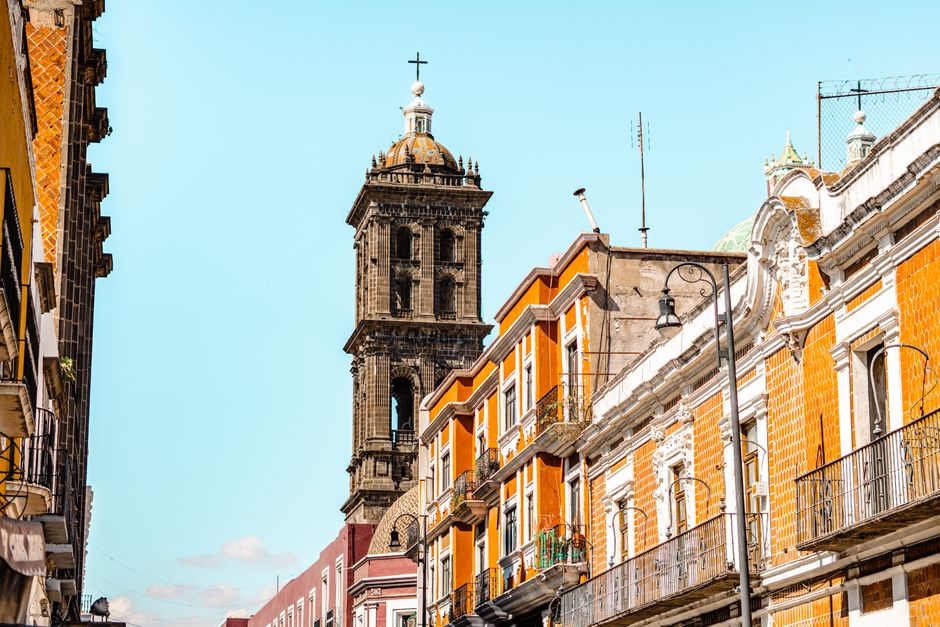
Mexico is a treasure trove of iconic destinations and boasts an impressive 35 UNESCO World Heritage Sites, distributed across its various regions, including 27 cultural and 6 natural sites. Prominent regional destinations captivate visitors with their unique allure, such as the pristine beaches and ancient ruins of the Riviera Maya, the dramatic landscapes of Copper Canyon (Barrancas del Cobre), and the rich indigenous culture of the Oaxaca Valley.
Further south, the Chiapas Highlands offer breathtaking natural beauty and vibrant traditions, while Baja California Sur entices with its desert-meets-ocean scenery and abundant marine life. Each region presents a distinct facet of Mexico’s profound heritage, from the pre-Hispanic cities and colonial architecture to the unparalleled biodiversity, making the exploration of these sites a highlight of any visit and a testament to the country’s global significance.
Regional Travel Safety & Essential Tips
Ensuring a safe and enjoyable journey across Mexico’s diverse regions requires proactive research and adherence to essential travel tips. It is paramount to research regional safety advisories from official sources, such as the U.S. Department of State or your home country’s foreign office, before embarking on your trip, as conditions can vary significantly between states and even specific areas within regions. This diligent preparation is a critical aspect of any comprehensive Mexico travel regions guide.
Staying informed about local conditions and exercising situational awareness are key to a secure travel experience. Travelers should always prioritize reputable transportation, secure their valuables, and be mindful of their surroundings, especially in unfamiliar areas or at night. By following these guidelines and consulting up-to-date official information, visitors can confidently explore the incredible beauty and cultural richness that Mexico’s many regions have to offer.