
Unearthing Local Gems: Where to Find Authentic Romanian Treasures
Imagine strolling through vibrant streets, your senses alight with the promise of discovery, as you dive into the heart of Romania’s authentic shopping scene. To truly unearth local treasures, you simply must immerse yourself in the bustling atmosphere of traditional markets like Bucharest’s legendary Piața Obor, the city’s largest and most vibrant hub.
Here, you’ll find everything from sizzling street food to handcrafted goods, offering a genuine taste of Romanian life. For truly unique keepsakes, seek out the exquisite Horezu ceramics, a UNESCO-recognized craft that tells a story with every intricate brushstroke.
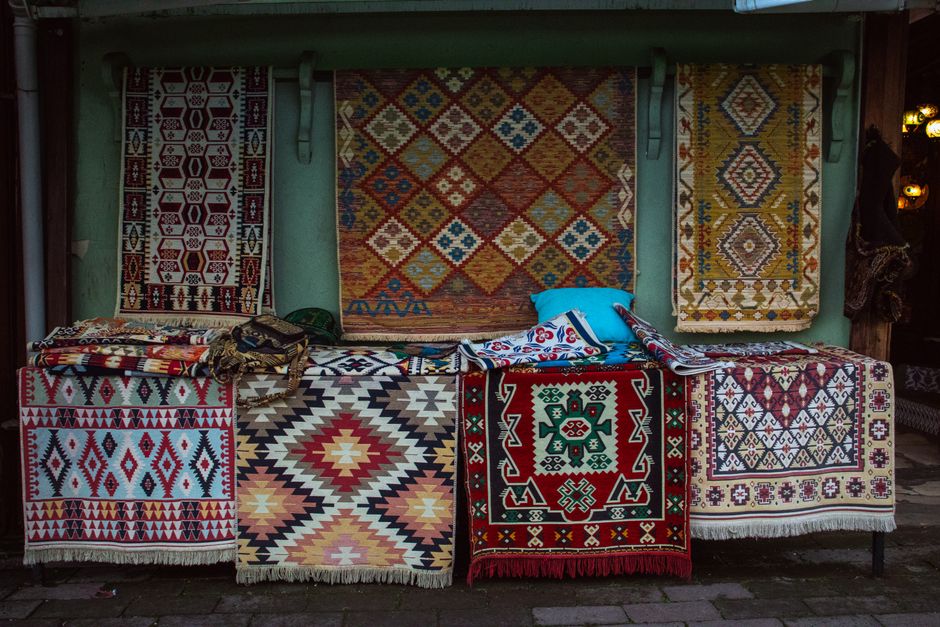
Remember, for genuine traditional crafts like these beautiful ceramics or intricate Maramureș wood carvings, always head directly to specialized artisan workshops or even visit the regions themselves; look for the artisan’s signature to ensure you’re bringing home a piece of true heritage, not just a generic souvenir.
What Will Your Souvenir Haul Cost You? A Price Guide
So, you’re ready to fill your bags with Romanian treasures, but what’s the damage? Let’s break down what your souvenir haul might cost you, making your Romania shopping guide experience both exciting and budget-friendly. At Piața Obor, a generous 700g jar of artisanal zacusca, that incredibly rich eggplant spread, typically costs between 25-40 RON, a delicious steal for a taste of local flavor.
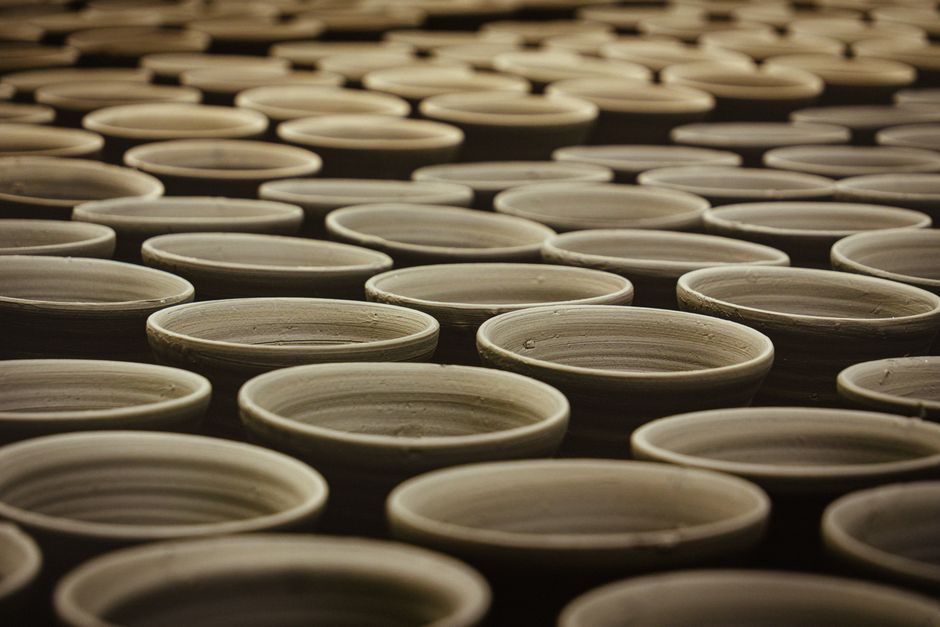
If you’re eyeing a hand-painted ceramic mug from Horezu, a true piece of UNESCO-recognized art, expect to pay around 60-120 RON in specialized craft shops, a small price for such beauty. For the bookworms among you, a new release Romanian novel from the beloved Cărturești bookstore chain averages 40-70 RON, perfect for expanding your horizons.
Don’t forget to grab a bottle of quality local wine, perhaps a robust Fetească Neagră, from a supermarket like Mega Image, which will set you back a very reasonable 25-60 RON. Finally, if you dream of owning an authentic, hand-embroidered ‘ie’ traditional Romanian blouse, prepare to invest from 500 RON upwards at a dedicated artisan shop, though charming tourist replicas are available for 80-150 RON.

Beyond the Market: Modern Shopping & Unique Finds in Romania
While traditional markets offer an undeniable charm, Romania’s modern shopping scene is equally captivating, ready to surprise and delight you with its contemporary flair. For a full-on retail therapy session, head to a major shopping mall like Bucharest’s AFI Cotroceni, where you’ll discover a fantastic array of international brands, entertainment, and dining options all under one roof.
But don’t stop there; Romania boasts its own impressive designers and brands that deserve your attention. Consider treating yourself to a pair of exquisite shoes from Musette, a renowned Romanian luxury shoe brand that combines European elegance with local craftsmanship.
Exploring these modern avenues allows you to discover a different facet of Romanian creativity, proving that the country offers a diverse shopping experience far beyond just traditional souvenirs.

Smart Shopper’s Handbook: Bargaining, Cash, and Tax-Free Secrets
To truly master your Romania shopping guide experience, you’ll want to arm yourself with a few insider tricks that can save you money and enhance your interactions. At traditional markets like Piața Obor or Piața Matache, polite bargaining is absolutely acceptable, especially when you’re buying multiple items or visiting towards closing time; aim for a friendly 10-15% discount to feel like a true local.
For non-EU residents, a fantastic perk awaits: you can claim a VAT (known as TVA in Romania, at 19%) refund on purchases over 150 EUR from participating stores. Just look for the ‘Tax Free Shopping’ signs and remember to request the necessary forms at the point of purchase to reclaim those savings.
Finally, while major malls and supermarkets widely accept convenient card payments, many smaller artisan shops, charming market vendors, and independent stores often prefer or even exclusively accept cash in RON. Always carry some local currency with you to ensure a smooth and hassle-free transaction, especially when you stumble upon that perfect, unexpected find.