
Solo Travel Guide 2026: Exploring the Safe Havens of Eastern Europe
Solo Travel Guide Eastern Europe highlights the region’s blend of rich history, diverse cultures, and affordability, making it an attractive destination for solo travelers. Eastern Europe offers a unique mix of experiences, from the bustling cities of Prague and Budapest to the serene landscapes of the Carpathian Mountains. With a reputation for safety and hospitality, it provides an ideal setting for solo adventurers seeking both exploration and tranquility.
Why Choose Eastern Europe for Solo Travel
Eastern Europe is renowned for its historical depth and cultural diversity, offering solo travelers a chance to explore cities steeped in history like Krakow and Tallinn. The region’s affordability compared to Western Europe makes it a practical choice for budget-conscious travelers. With a well-connected transport network, solo travelers can easily navigate between countries, enhancing their travel experience with minimal logistical concerns.
Safety is a significant consideration for solo travelers, and Eastern Europe is generally considered safe with low crime rates in many areas. Countries like Slovenia and the Czech Republic rank high on global safety indexes, providing peace of mind for those traveling alone. The welcoming nature of the locals further adds to the region’s appeal, as travelers often find themselves embraced by the warmth and hospitality of Eastern European cultures.
The diverse landscapes of Eastern Europe, from the Adriatic coastlines to the Carpathian Mountains, offer a variety of activities for solo travelers. Whether interested in hiking, exploring medieval castles, or experiencing vibrant city life, the region caters to all interests. This variety ensures that solo travelers can craft a personalized itinerary that suits their preferences, making Eastern Europe a versatile and rewarding destination.
- Explore historical cities like Krakow and Tallinn.
- Benefit from the region’s affordability compared to Western Europe.
- Enjoy the safety and hospitality of Eastern European countries.
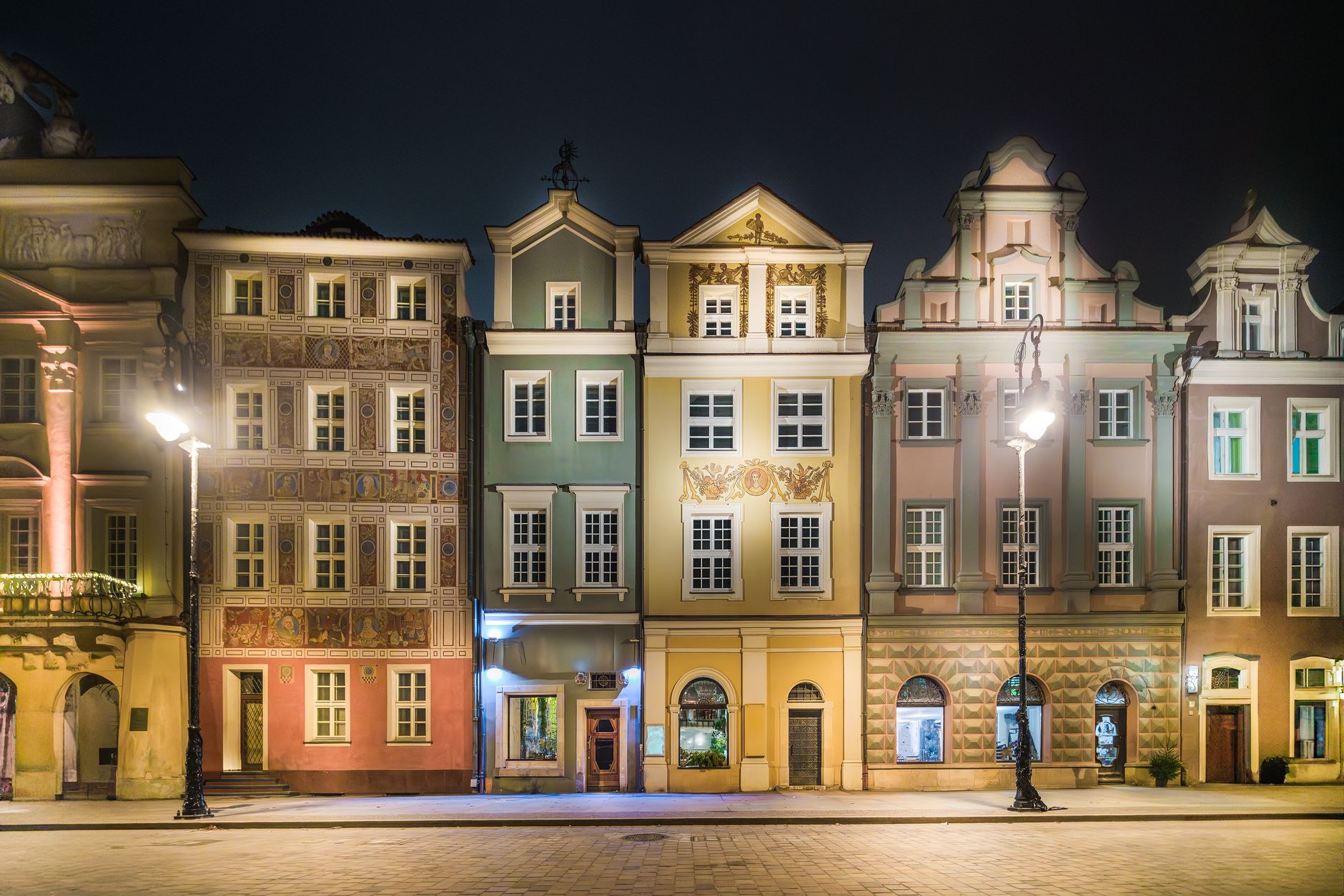
Top Safe Destinations for Solo Travelers
Prague, the capital of the Czech Republic, is a top destination for solo travelers due to its rich history, stunning architecture, and vibrant cultural scene. Known for its safety, the city offers a plethora of attractions, from the iconic Charles Bridge to the historic Prague Castle. Solo travelers can enjoy walking tours, local cuisine, and the city’s lively nightlife, all within a secure environment.
Budapest, Hungary’s capital, is another safe haven for solo travelers. The city is famous for its thermal baths, historic sites, and the picturesque Danube River. With a well-developed public transport system, solo travelers can easily navigate the city and explore its diverse neighborhoods. Budapest’s blend of old-world charm and modern amenities makes it a favorite among those traveling alone.
Ljubljana, Slovenia’s capital, is often overlooked but offers a safe and welcoming atmosphere for solo travelers. The city’s compact size makes it easy to explore on foot, and its vibrant arts scene and green spaces provide ample opportunities for relaxation and exploration. Ljubljana’s friendly locals and low crime rate contribute to its reputation as a safe and enjoyable destination for solo adventurers.
- Visit Prague for its historical sites and safe environment.
- Explore Budapest’s thermal baths and vibrant culture.
- Discover Ljubljana’s arts scene and welcoming atmosphere.
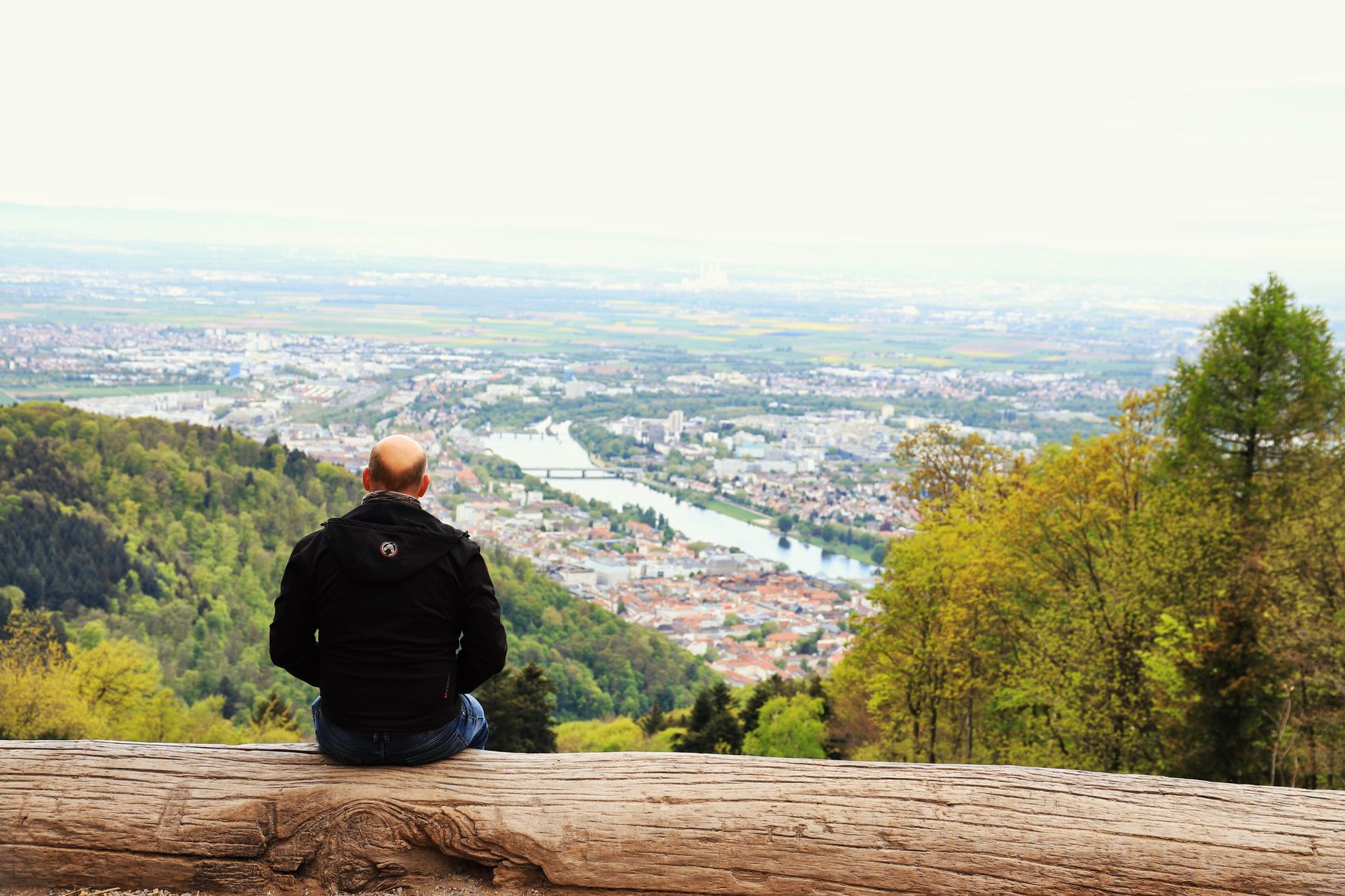
Handy Tool: To make your next trip seamless, secure, and stress-free, use our recommended platform below:
Essential Safety Tips for Solo Travelers
Researching local customs and safety tips is crucial for solo travel in Eastern Europe. Understanding cultural norms can prevent misunderstandings and enhance interactions with locals. Solo travelers should familiarize themselves with emergency contact numbers and the locations of their country’s embassies in case of emergencies.
Using reputable accommodation and transport services is essential for ensuring safety. Solo travelers should opt for well-reviewed hotels or hostels and consider using trusted ride-sharing apps or official taxi services. Staying in central locations can also provide easier access to local attractions and reduce travel time.
Travel insurance is recommended for solo travelers to cover unforeseen events such as medical emergencies or trip cancellations. Comprehensive insurance plans can provide peace of mind and financial protection, allowing travelers to focus on enjoying their journey without worrying about potential risks.
- Familiarize yourself with local customs and emergency contacts.
- Choose reputable accommodations and transport services.
- Invest in comprehensive travel insurance for peace of mind.

Cultural Insights and Etiquette
Understanding cultural nuances is vital for solo travelers in Eastern Europe. Each country has its own set of traditions and social norms that can vary significantly. For instance, in Poland, it’s customary to greet people with a handshake, while in Hungary, maintaining eye contact is a sign of respect during conversations.
Solo travelers should be aware of dress codes, especially when visiting religious sites. Modest clothing is often required, and it’s advisable to carry a scarf or shawl for such occasions. Being mindful of local dining etiquette, such as tipping practices and table manners, can also enhance the travel experience.
Engaging with locals can provide deeper insights into the culture. Solo travelers are encouraged to participate in local events or festivals, which offer a glimpse into the region’s traditions and way of life. This engagement not only enriches the travel experience but also fosters connections with the local community.
- Learn about local greetings and social norms.
- Dress modestly when visiting religious sites.
- Participate in local events to engage with the culture.
Accommodation and Transport Options
Solo travelers in Eastern Europe have a variety of accommodation options, ranging from budget-friendly hostels to luxury hotels. Hostels are particularly popular among solo travelers for their social atmosphere, providing opportunities to meet fellow travelers. Many hostels offer private rooms for those seeking more privacy while still enjoying the communal vibe.
Transport options in Eastern Europe are extensive and reliable, making it easy for solo travelers to navigate the region. Trains and buses connect major cities, offering affordable and convenient travel. For shorter distances, ride-sharing apps and local taxis are readily available, providing safe and efficient transportation.
Booking accommodations and transport in advance is advisable, especially during peak travel seasons. This ensures availability and often results in better rates. Solo travelers should also consider staying in centrally located accommodations to minimize travel time and enhance their exploration of local attractions.
- Consider hostels for a social atmosphere and budget-friendly stay.
- Use trains and buses for affordable intercity travel.
- Book accommodations and transport in advance for better rates.
Language Tips for Solo Travelers
Learning basic phrases in the local language can significantly enhance the travel experience for solo travelers in Eastern Europe. Simple greetings, thank you, and directions can go a long way in facilitating interactions with locals. Many Eastern Europeans appreciate the effort to speak their language, which can lead to more meaningful exchanges.
Language apps and phrasebooks are valuable tools for solo travelers. These resources provide quick access to essential phrases and can be used offline, making them convenient for on-the-go use. Familiarizing oneself with the local language can also help with understanding signage and public transport information.
While English is widely spoken in major cities, solo travelers may encounter language barriers in rural areas. Being prepared with basic language skills can help navigate these situations more smoothly. This preparedness not only aids in communication but also demonstrates respect for the local culture, enhancing the overall travel experience.
- Learn basic phrases in the local language for better interactions.
- Use language apps and phrasebooks for quick access to phrases.
- Prepare for language barriers in rural areas with basic language skills.
Importance of Travel Insurance
Travel insurance is an essential consideration for solo travelers venturing into Eastern Europe. It provides coverage for a range of potential issues, including medical emergencies, trip cancellations, and lost luggage. Having insurance ensures that solo travelers are financially protected against unforeseen events, allowing them to travel with confidence.
Solo travelers should carefully evaluate different insurance plans to find one that best suits their needs. Comprehensive plans that include medical coverage, emergency evacuation, and trip interruption are recommended. It’s important to read the policy details to understand the extent of the coverage and any exclusions.
Incorporating travel insurance into your Solo Travel Guide Eastern Europe plan is a wise decision. It not only offers peace of mind but also ensures that travelers can focus on enjoying their journey without the stress of potential financial burdens. This proactive approach to travel planning enhances the overall experience, providing a safety net that allows for worry-free exploration.
- Choose a comprehensive travel insurance plan with medical coverage.
- Evaluate different plans to find one that suits your travel needs.
- Incorporate travel insurance into your travel planning for peace of mind.