
Eco-Friendly Luxury Train Travel
Eco-friendly luxury train travel represents a significant shift in the transportation industry, combining opulence with sustainability. This mode of travel not only offers a lavish experience but also minimizes environmental impact through the use of sustainable materials and energy-efficient technologies. As luxury travelers increasingly prioritize eco-conscious choices, the demand for such trains has surged, providing a responsible alternative to traditional high-carbon travel options.
Introduction to Eco-Friendly Luxury Train Travel
Luxury train travel has evolved to meet the growing demand for sustainable tourism. These trains are designed to offer the highest level of comfort while adhering to eco-friendly principles. By integrating renewable energy sources and reducing waste, they provide an environmentally responsible way to explore the world.
The concept of eco-friendly luxury train travel is gaining traction as travelers seek to reduce their carbon footprint without sacrificing comfort. These trains often feature state-of-the-art technology and sustainable practices that set them apart from traditional travel methods.
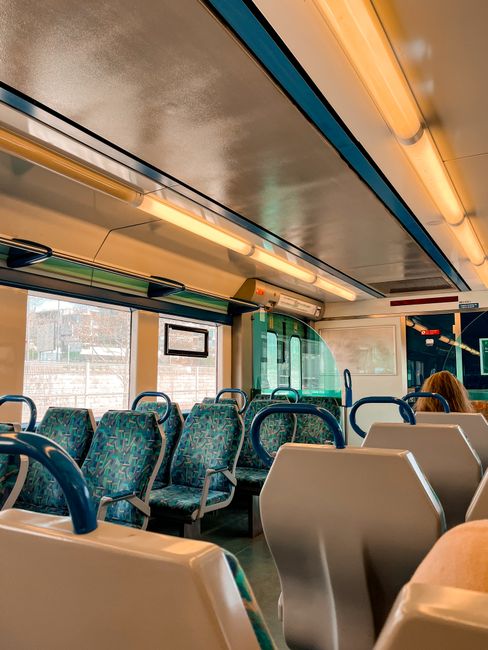
Top Eco-Friendly Luxury Trains Around the World
Several luxury trains around the globe have embraced eco-friendly practices, setting new standards in sustainable travel. These trains offer unique experiences while minimizing their environmental impact.
- The Rocky Mountaineer (Canada): Known for its scenic routes, this train uses energy-efficient locomotives and has a comprehensive recycling program.
- The Venice Simplon-Orient-Express (Europe): This iconic train incorporates sustainable dining practices and uses eco-friendly cleaning products.
- The Eastern & Oriental Express (Asia): It utilizes solar panels and sources local, organic ingredients for its gourmet meals.

Benefits of Choosing Eco-Friendly Train Travel
Opting for eco-friendly luxury train travel offers numerous advantages beyond environmental benefits. Travelers enjoy a unique blend of comfort, style, and sustainability.
These trains provide a slower, more immersive travel experience, allowing passengers to appreciate the journey and the landscapes they traverse.
- Reduced Carbon Footprint: Train travel generally emits less CO2 per passenger compared to air travel.
- Sustainable Luxury: Enjoy high-end amenities that are designed with sustainability in mind.
- Cultural Immersion: Travel through regions at a pace that allows for deeper cultural engagement.
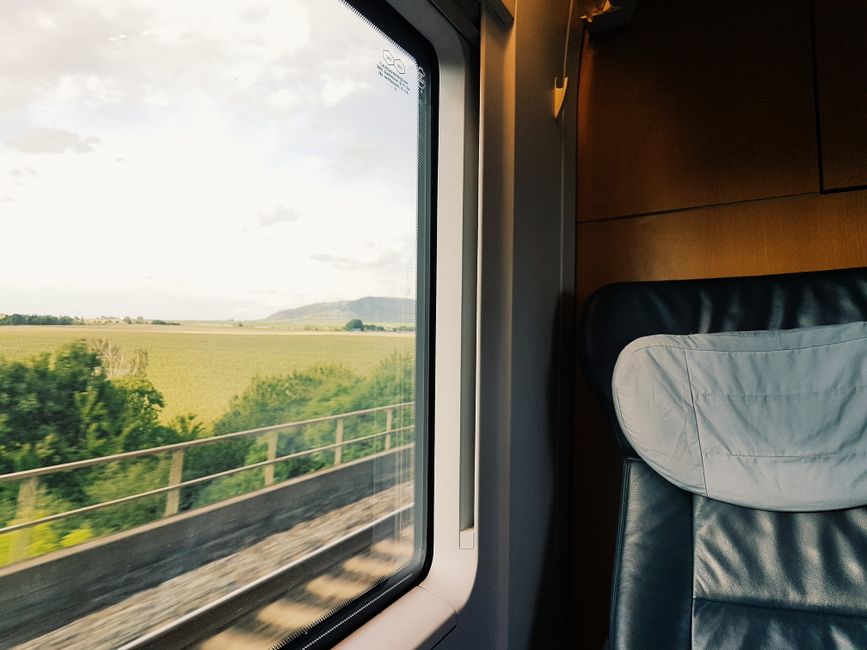
Sustainable Practices in Luxury Train Travel
Luxury trains are increasingly adopting sustainable practices to minimize their environmental impact. These practices include the use of renewable energy sources, waste reduction strategies, and sustainable sourcing of materials.
By implementing these measures, luxury trains not only enhance their appeal to eco-conscious travelers but also contribute to the broader goal of sustainable tourism.
- Energy Efficiency: Use of modern, fuel-efficient engines and regenerative braking systems.
- Waste Management: Comprehensive recycling and composting programs onboard.
- Sustainable Sourcing: Use of locally sourced, organic materials for construction and dining.
Comparing Carbon Footprints: Trains vs. Other Transport Modes
When comparing the carbon footprints of different modes of transport, trains generally emerge as a more sustainable option. This is particularly true for eco-friendly luxury train travel, which leverages advanced technologies to further reduce emissions.
Trains offer a lower carbon footprint per passenger kilometer compared to cars and airplanes, making them an attractive choice for environmentally conscious travelers.
- Air Travel: Significantly higher CO2 emissions per passenger compared to trains.
- Car Travel: While more flexible, cars typically have a larger carbon footprint than trains, especially for long distances.
- Bus Travel: Although more eco-friendly than cars, buses still fall short of the efficiency offered by trains.