
Chasing the Sun: Unveiling Croatia’s Sizzling Summers & Warm Adriatic Waters
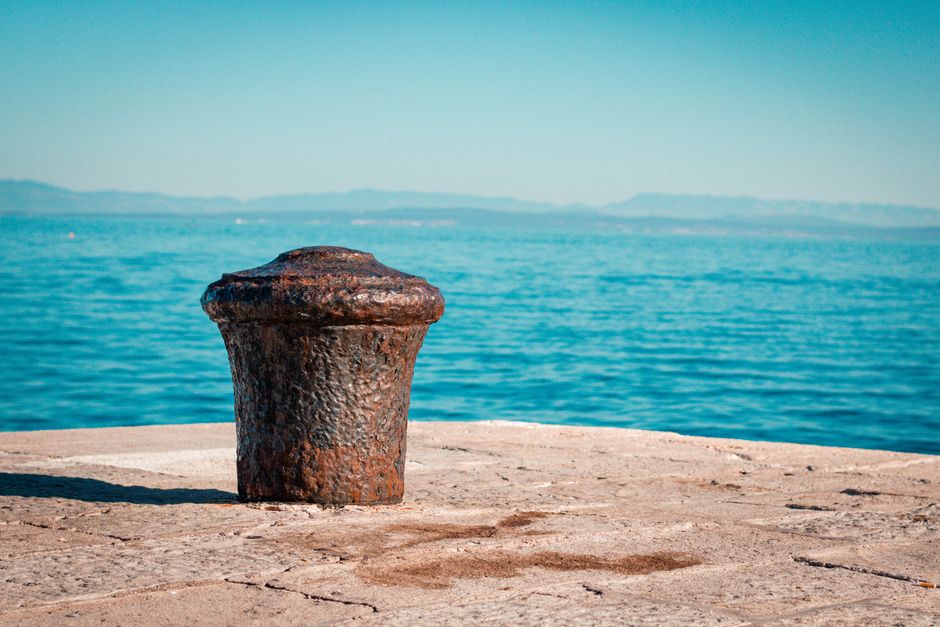
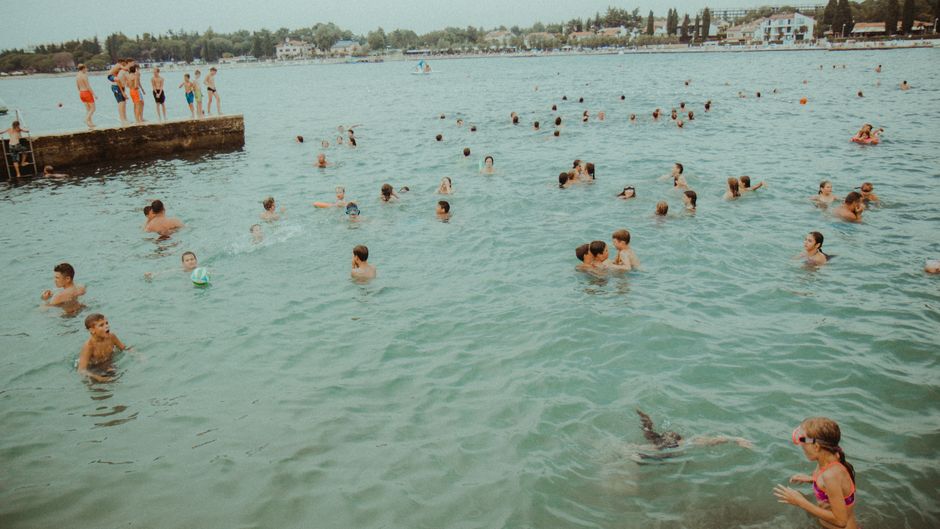
Imagine yourself basking under a glorious Mediterranean sky, the sun a warm kiss on your skin as you dive into the crystal-clear Adriatic! Croatia’s coastal regions, particularly Dalmatia and Istria, truly come alive in July and August, offering average daily temperatures that sizzle between 28-32°C (82-90°F). This is the quintessential summer dream you’ve been craving, where every day is a sun-drenched invitation to pure bliss.
The sea itself is an absolute delight, consistently maintaining a balmy 24-26°C (75-79°F), perfect for endless swims, snorkeling adventures, or simply floating lazily. You’ll quickly understand why the Klima Dalmacije is legendary, especially when you discover gems like the island of Hvar, which proudly boasts over 2,700 hours of sunshine annually, making it one of Europe’s most luminous destinations. Just remember, sun protection is paramount from May to September; always slather on high SPF sunscreen (minimum SPF 30), don a wide-brimmed hat, and seek refreshing shade during the peak sun hours of 11:00-16:00 to keep your skin happy and healthy.
This Croatia weather guide is your key to unlocking those perfect, sun-kissed memories, ensuring you’re perfectly prepared for the radiant warmth that awaits you along the stunning coastline.
Beyond the Beaches: What to Expect Inland & When Snow Falls in Croatia
While the coast beckons with its azure embrace, don’t overlook the captivating diversity of inland Croatia, where the Klima Kontinentalne Hrvatske offers a distinctly different experience. In cities like Zagreb and the expansive plains of Slavonia, summer (July-August) averages around a comfortable 25°C (77°F), though you might encounter exhilarating spikes reaching up to 35°C (95°F) on the hottest days. This provides a fantastic contrast to the coastal heat, perfect for exploring vibrant city life and lush landscapes.
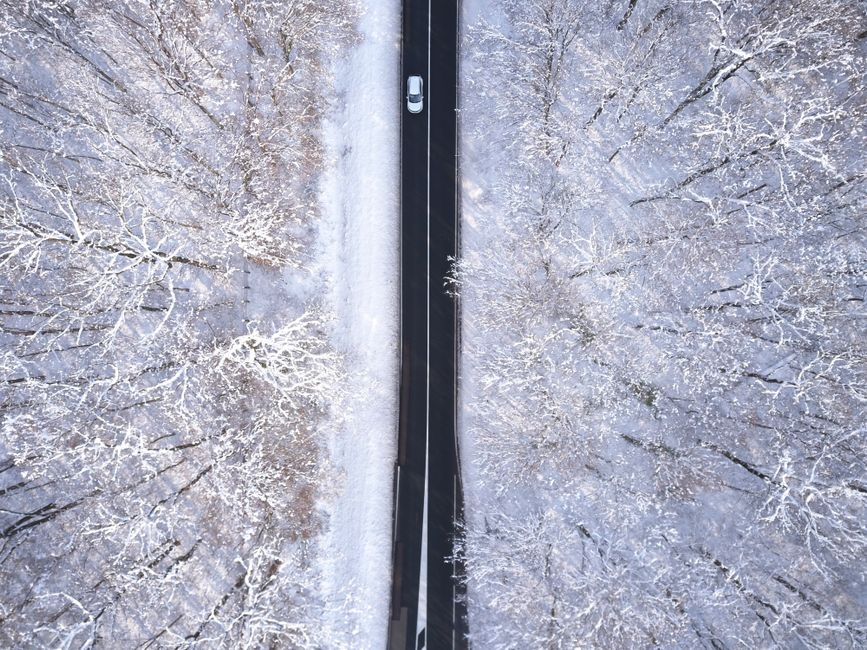
As the seasons shift, so does the scenery dramatically; if you’re dreaming of a winter wonderland, continental Croatia delivers! From December to February, average temperatures hover between 0-5°C (32-41°F), bringing regular, picturesque snowfall that transforms the landscape into a cozy, festive postcard. Even more enchanting are the mountainous regions like Gorski Kotar, where summers are milder, averaging 18-22°C (64-72°F), but winters are truly spectacular with significant snowfall and temperatures often dipping below freezing.
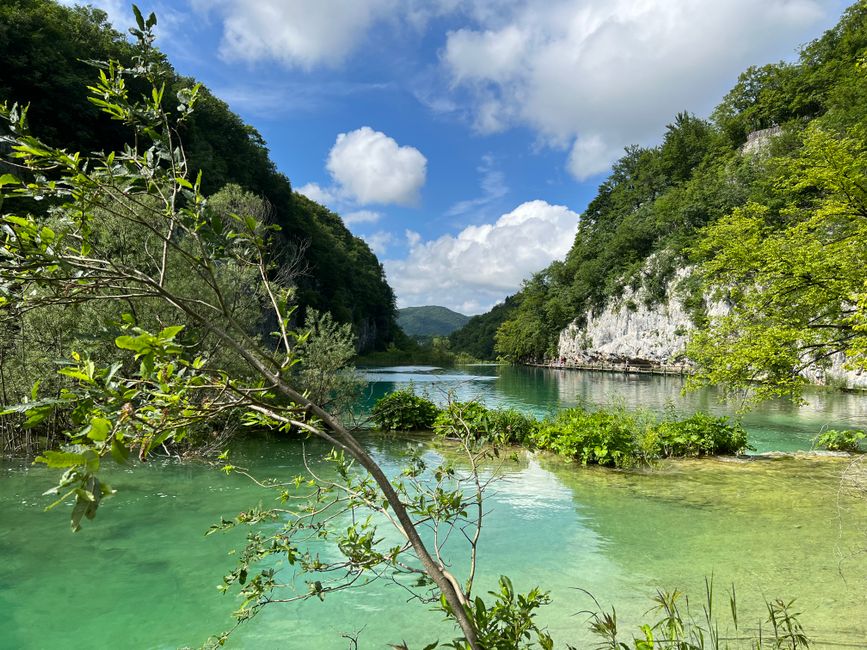
When you venture into national parks like Plitvice Lakes or Krka, even in summer, always pack layers; mountain weather can be delightfully unpredictable, and temperatures can be a refreshing 5-10°C cooler than the coast, especially in the mornings or evenings. A light waterproof jacket is always a smart addition to your bag, ensuring you’re ready for any spontaneous adventure.
Secret Seasons: Why Spring & Autumn are Croatia’s Best-Kept Weather Wonders
For the savvy traveler, the shoulder seasons of spring (May-June) and autumn (September-October) are Croatia’s best-kept secrets, offering an absolutely magical balance of glorious weather and fewer crowds. Imagine enjoying coastal temperatures that are perfectly comfortable, ranging from 20-24°C (68-75°F), ideal for leisurely strolls through ancient towns or invigorating hikes along scenic trails. This is your chance to truly immerse yourself in the local culture without the bustling peak-season rush.
The sea remains incredibly inviting during these times, with water temperatures a delightful 20-22°C (68-72°F), making it fantastic for swimming and all your favorite water activities. If a beach holiday is calling your name, target late May/early June or September; the sea is wonderfully warm, but here’s the best part: accommodation and activity prices are typically 20-40% lower than in peak July/August, and popular sites are significantly less crowded, allowing you to savor every moment.
This period offers an unparalleled opportunity to experience Croatia’s natural beauty and vibrant atmosphere with a sense of peace and discovery. It’s truly the sweet spot for an unforgettable adventure, giving you more bang for your buck and a more intimate connection with this stunning country.

Taming the Winds: Navigating Croatia’s Mighty Bura & Mountain Surprises
While Croatia generally boasts idyllic weather, it’s wise to be aware of its more dramatic natural phenomena, particularly the mighty Bura wind. This strong, cold, and dry northerly wind can sweep down from the mountains, reaching incredible gusts over 150 km/h (93 mph) along the Adriatic coast, especially around notorious spots like Senj and the Maslenica Bridge. Primarily active from October to April, the Bura is a force of nature that commands respect and preparation.
For your safety and seamless travel, always check the Dr
jevni hidrometeorolo
jevki zavod (DHMZ), Croatia’s official meteorological service, or the incredibly useful Windy.com app for Bura wind warnings, especially if you’re traveling along the coast in cooler months. Strong Bura can lead to temporary closures of major roads like the A1 highway near Senj and, crucially, can cause ferry cancellations, particularly to smaller islands like Lastovo or Vis, potentially altering your island-hopping plans.
Being informed about these powerful winds allows you to adapt your itinerary gracefully, ensuring your Croatian adventure remains smooth and enjoyable. Embrace the dynamic spirit of the region and plan ahead for a truly exhilarating experience.
Sun Savvy & Smart Packing: Your Essential Croatian Weather Prep
To make your Croatian journey absolutely seamless and stress-free, a little weather prep goes a long way! For reliable local forecasts, you’ll find AccuWeather incredibly useful, and for real-time wind and weather patterns, especially crucial for coastal activities and ferry travel, Windy.com is your go-to app. Always cross-reference with the official Dr
jevni hidrometeorolo
jevki zavod (DHMZ) website for the most authoritative local insights.
Remember our golden rule for the Adriatic coast from May to September: sun protection is paramount! Always pack high SPF sunscreen (minimum SPF 30), a stylish wide-brimmed hat, and sunglasses, and plan to seek shade during the most intense sun hours (11:00-16:00). For those breathtaking national parks like Plitvice Lakes or Krka, even in summer, layers are your best friend, as temperatures can be refreshingly cooler than the coast, especially in the mornings and evenings.
By staying informed with this Croatia weather guide and packing smart, you’re not just preparing for the elements; you’re setting yourself up for an unforgettable, comfortable, and truly immersive exploration of this magnificent country. Get ready to embrace every moment!