
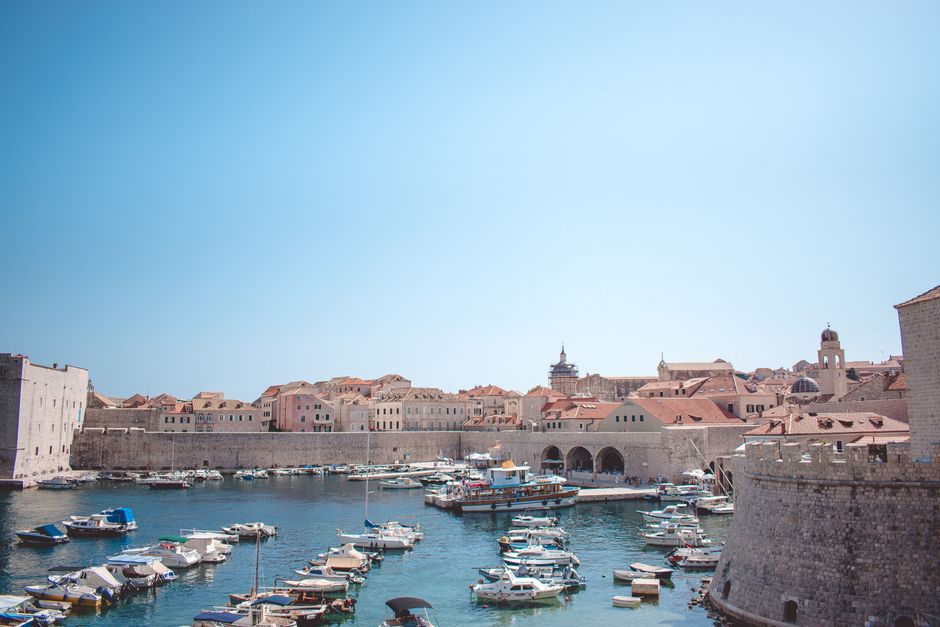
Dive Deep into Croatia’s Past & Present: Must-Visit Museums
To truly grasp the soul of Croatia, you absolutely must delve into its incredible museums, each offering a unique window into history and art. Start your cultural journey in Zagreb at the majestic Mimara Museum, a treasure trove of global art where you can wander through centuries of masterpieces; entry is a very reasonable 40 HRK, or about 5.30 EUR.
For a truly unique and poignant experience, don’t miss the Museum of Broken Relationships, also in Zagreb, which offers a surprisingly uplifting look at human connections through donated artifacts. This deeply moving spot invites you to reflect on universal themes, and your 50 HRK (around 6.60 EUR) entry fee supports its fascinating exhibits.
Beyond traditional museums, consider places like Split’s DIOCLETIAN’S PALACE, which isn’t just a ruin but a living, breathing UNESCO World Heritage site where you can walk through ancient Roman streets still bustling with modern life. Exploring these diverse sites is essential for anyone seeking a comprehensive Croatia culture guide, offering layers of discovery at every turn.
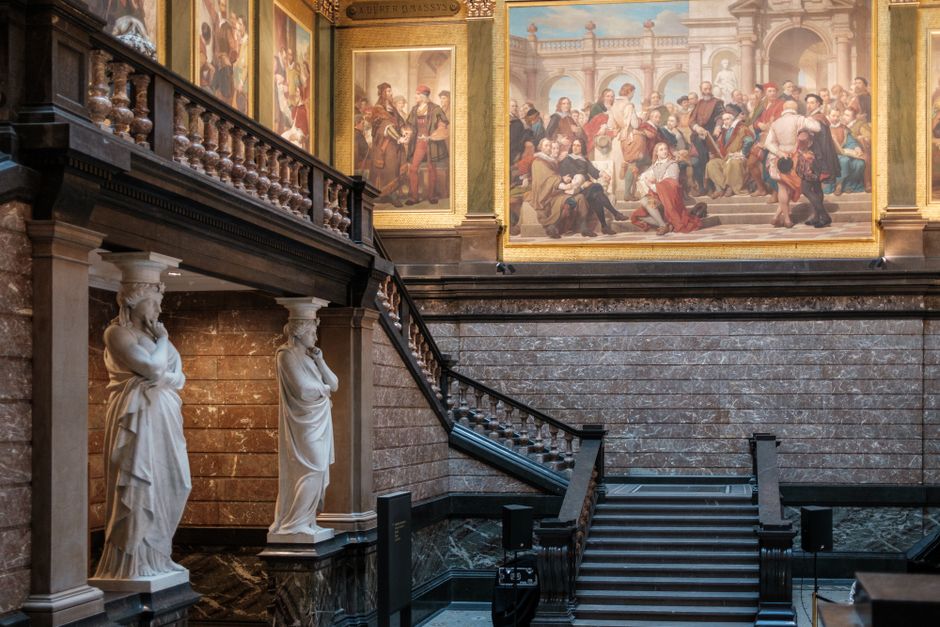
Experience the Rhythm: Croatia’s Vibrant Festivals & Melodies
Prepare to be swept away by Croatia’s vibrant festival scene, where ancient traditions meet contemporary celebrations under the Mediterranean sun. If you’re visiting between July 10th and August 25th, the DUBROVNIK SUMMER FESTIVAL is an absolute must-see, transforming the city’s historic squares and palaces into breathtaking stages for world-class drama, music, and dance.
Imagine yourself under a starry sky, captivated by a performance; individual event tickets for smaller shows start from around 150 HRK (approximately 20 EUR), making these unforgettable evenings accessible. Beyond the grand stages, seek out the soul-stirring harmonies of KLAPA singing, an authentic, acapella vocal tradition that will give you goosebumps.
For an insider tip, head to local konobas, especially in Dalmatia on a Friday or Saturday evening, or catch free performances during summer festivals in coastal towns to hear Klapa’s raw beauty. And if you’re further inland, the SINJSKA ALKA, a chivalric tournament, offers another thrilling glimpse into Croatia’s rich heritage, showcasing a different facet of its dynamic cultural tapestry.

Treasures to Take Home: Authentic Croatian Souvenirs & Crafts
When you’re ready to bring a piece of Croatia home, move beyond generic trinkets and seek out genuine, handcrafted treasures that tell a story. The iconic LICITAR HEART (Licitar srce) is a perfect example: these beautifully hand-painted gingerbread cookies, often adorned with mirrors, are a symbol of love and a UNESCO-protected tradition.
You can find a genuine Licitar heart, ranging from 50 HRK to 200 HRK (around 6.60 EUR to 26.50 EUR) depending on its size, at bustling local markets like Zagreb’s DOLAC MARKET, where the vibrant atmosphere is part of the experience. For other authentic crafts, bypass the main tourist strips and explore the charming artisan workshops nestled in Zagreb’s Upper Town (Gornji Grad).
Here, you’ll discover unique textiles, intricate lacework, and other handmade items that truly reflect Croatian artistry. This is where you’ll find those special mementos that will forever remind you of your incredible journey and the rich cultural heritage you explored with this Croatia culture guide.
Live Like a Local: Embracing Croatian Daily Life & ‘Fjaka’
To truly immerse yourself in Croatian life, you must embrace the concept of ‘fjaka,’ the Dalmatian art of doing absolutely nothing. It’s not laziness, but a cherished cultural state of mind – a blissful pause from the world, best experienced by slowly savoring a coffee by the sparkling Adriatic Sea.
Imagine yourself settling into a charming local café, ordering a ‘velika kava s mlijekom’ (a large coffee with milk), which typically costs a delightful 15 HRK to 20 HRK (around 2 EUR to 2.65 EUR). This is your moment to simply be, to watch the world go by, and to truly connect with the relaxed pace of Croatian daily life.
As you explore, remember to show respect in sacred spaces; when visiting churches or monasteries, dress modestly with shoulders and knees covered, and maintain a respectful silence, especially during services. Embracing these simple customs will not only enrich your experience but also deepen your understanding of the local culture, making your trip an authentic adventure.