
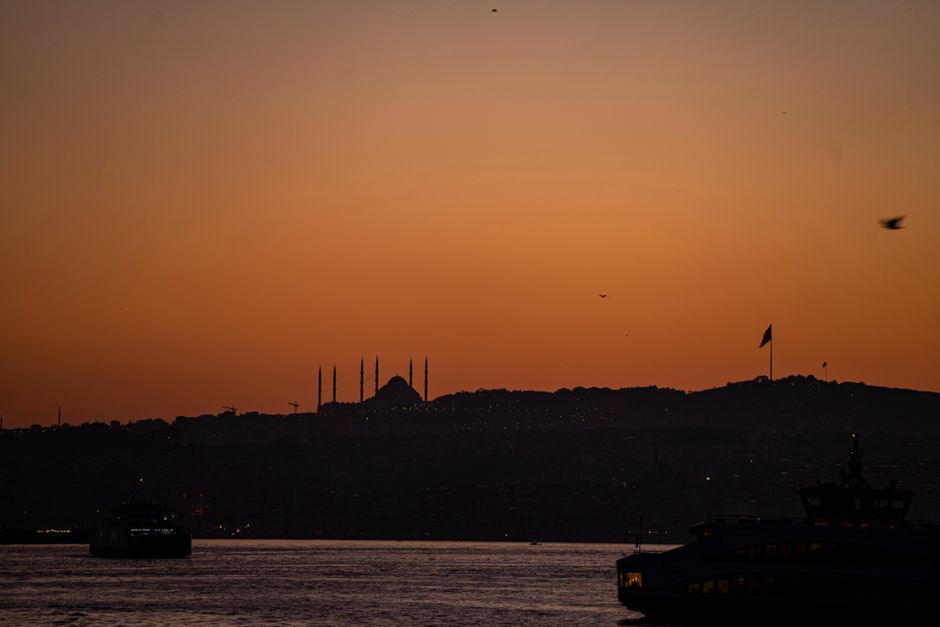
Unveiling Istanbul’s Seasonal Charms: When to Explore the City of Two Continents
Imagine yourself wandering through Istanbul’s ancient bazaars and majestic mosques, feeling the perfect breeze on your skin! Our Turkey weather guide highlights spring (April-May) and autumn (September-October) as truly magical times to visit, offering pleasant temperatures between 15-25°C and fewer crowds. You’ll find these shoulder seasons ideal for exploring every vibrant corner of this historic city.
While July sizzles with average temperatures of 24-28°C, inviting you to enjoy rooftop terraces with stunning views, January brings a cooler embrace, averaging 5-9°C alongside significant rainfall. If you’re planning your next adventure, aiming for those sweet spots in spring or autumn means you’ll comfortably avoid the intense summer heat and the winter’s chill, making your exploration utterly delightful.

Chasing Endless Summer: Sun-Kissed Coasts of Turkey
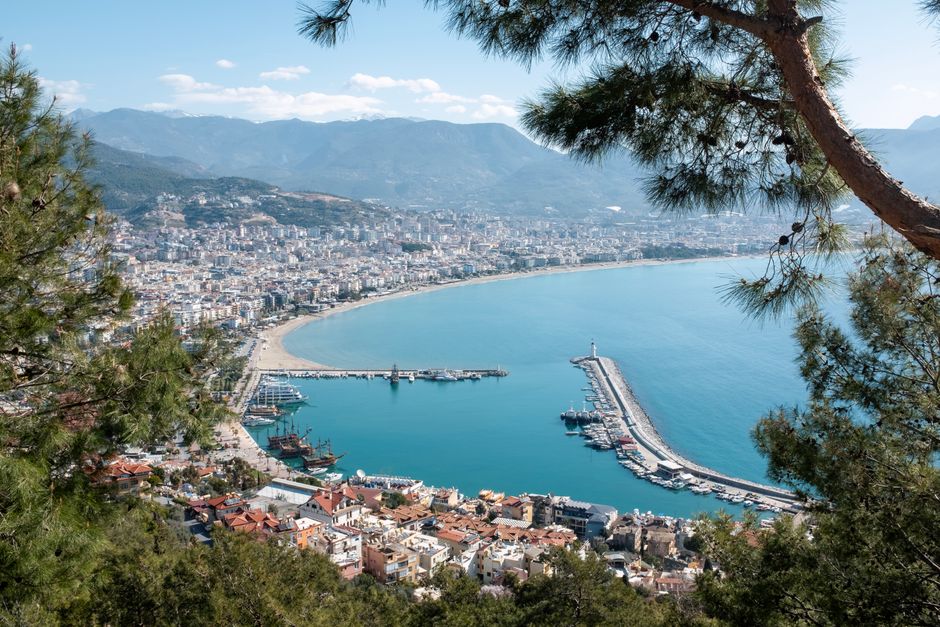
If your heart yearns for sun-drenched beaches and the embrace of crystal-clear waters, Turkey’s Aegean and Mediterranean coasts are calling your name! Destinations like İzmir, Bodrum, Marmaris, Antalya, Fethiye, and Alanya bask in over 300 sunny days annually, with peak sunshine hours from June to September, promising you an unforgettable summer escape.
Picture yourself diving into the Mediterranean where sea temperatures hit a blissful 28°C in August, even as air temperatures soar to a sizzling 30-34°C. When you visit in July or August, remember to plan your outdoor activities for the cooler early mornings before 10:00 or late afternoons after 17:00, allowing you to fully enjoy the warmth without the peak sun and heat, which can often exceed 35°C.
Cappadocia’s Climate Secrets: Hot Air Balloons & Snowy Peaks
Prepare for a truly unique climate experience in Cappadocia, where the air itself tells a story of dramatic shifts, perfect for your next adventure! This Turkey weather guide emphasizes its continental nature: while summer days in July and August can reach a glorious 30-35°C, those same nights cool significantly to a crisp 15-20°C, making for perfect sleeping weather after a day of exploration.
If you’re planning a breathtaking hot air balloon ride, even in the height of summer, remember to pack a warm jacket because pre-dawn temperatures can be surprisingly chilly, often 10-15°C cooler than midday. Come winter, from December to February, Cappadocia transforms into a snowy wonderland, with temperatures often dipping below 0°C and heavy snowfall creating an absolutely magical, albeit cold, landscape for you to discover.
Beyond the Beaches: Unraveling Turkey’s Diverse Climates
Beyond the popular coastal strips, Turkey’s vast landscape offers a tapestry of climates that will truly expand your horizons and surprise you with its variety. In Eastern Anatolia, around Kars and Erzurum, you’ll discover harsh winters with average January temperatures plummeting to -10°C and prolonged, picturesque snow cover, a stark contrast to its short, mild summers of 20-25°C.
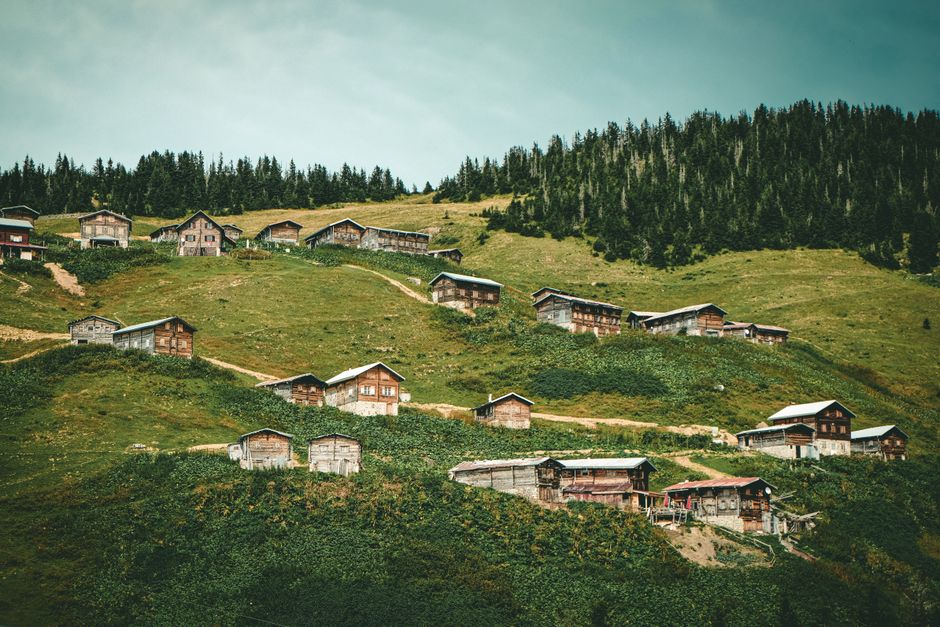
Then, venture to the lush Black Sea region, particularly near Trabzon and Rize, where a temperate oceanic climate ensures consistent rainfall year-round, averaging 80-120mm per month even in summer. Due to its unique microclimate, sudden, brief showers are common, so always tuck a light rain jacket or umbrella into your bag for those unexpected moments, ensuring your journey remains comfortable and dry.