
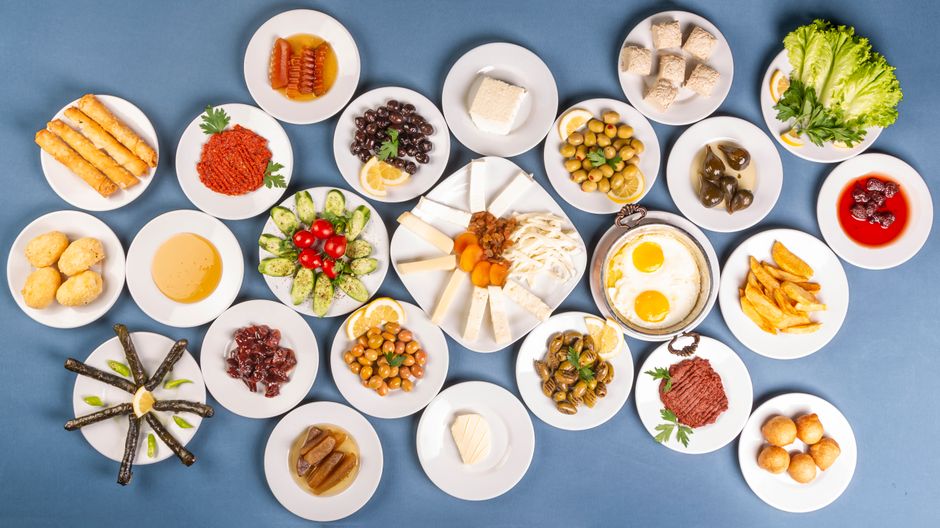
What Will a Turkish Feast Cost You?
Embarking on your culinary adventure through Turkey doesn’t have to break the bank, and this Turkey Food and Drink Guide is here to show you how! You’ll discover incredible value, starting with a humble yet utterly delicious simit, that iconic sesame bread ring, which typically costs just 15-20 TRY from a bustling street vendor in Istanbul.
For a truly authentic start to your day, a traditional Turkish breakfast, known as kahvaltı, for two at a charming local spot might range from 400-700 TRY, offering an incredible spread of cheeses, olives, jams, and fresh bread that will fuel your explorations.
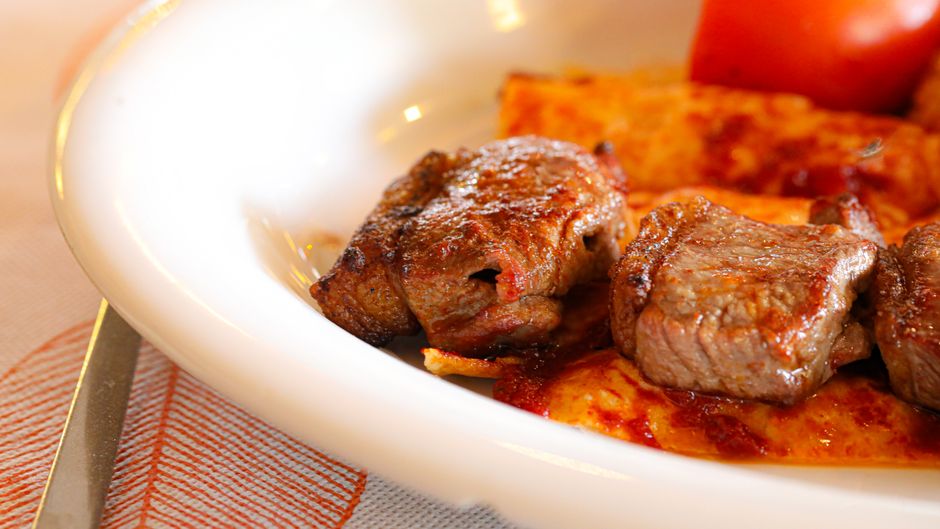
When it comes to main courses, a hearty plate of Iskender kebap, a must-try dish, at a reputable local restaurant typically costs 250-400 TRY, promising a symphony of flavors with its tender meat and rich tomato sauce. Don’t forget to quench your thirst with a refreshing glass of freshly squeezed pomegranate juice (nar suyu) from a street stall for around 50-80 TRY, or grab a bottle of the popular Uludağ Gazoz soda from a market for about 25-35 TRY.
And for that essential post-meal ritual, a cup of strong, aromatic Türk kahvesi (Turkish coffee) at a local café usually costs 60-90 TRY, providing the perfect end to any meal without a hefty price tag.

Street Food Delights: Savoring Turkey’s Quick Bites
Prepare your taste buds for an exhilarating journey into Turkey’s vibrant street food scene, where every corner offers a new, tantalizing aroma! You absolutely must try a warm, crusty simit from a vendor, perhaps even from a popular bakery chain like Simit Sarayı, as you wander through historic streets.
Keep an eye out for the intriguing Çiğ köfte, a spicy raw meatball dish that’s often served vegetarian these days, wrapped in crisp lettuce with a squeeze of lemon – it’s an explosion of flavor you won’t soon forget.
For the most authentic experience, look for street vendors with long queues of locals, especially if you’re craving döner, kokoreç, or midye dolma; these lines are your best indicator of truly delicious and fresh bites.
Embrace the spontaneity of street eating; it’s an integral part of the Turkish culinary landscape and an incredibly delicious way to connect with the local culture on your next trip.
Beyond the Kebap: Must-Try Traditional Turkish Dishes
While kebap is undeniably king, Turkey’s culinary repertoire extends far beyond, inviting you to explore a universe of rich, comforting, and utterly unique flavors! You simply have to savor a plate of Iskender kebap, a truly iconic dish featuring thinly sliced lamb or beef over pita bread, drenched in hot tomato sauce and melted butter, often served with yogurt.
For a delightful breakfast or brunch, dive into Menemen, a scrambled egg dish cooked with ripe tomatoes, green peppers, and spices, creating a warm, savory hug in a pan.
Don’t miss out on the incredible variety of mezes, small plates perfect for sharing, from creamy hummus to vibrant ezme salad, each bursting with fresh ingredients and aromatic herbs.
Exploring these traditional dishes is a highlight of any Turkey Food and Drink Guide, offering a deeper insight into the heart of Turkish home cooking and regional specialties.
Sweet Sips & Treats: Indulging in Turkish Delights
Get ready to satisfy your sweet tooth and refresh your palate with Turkey’s incredible array of desserts and beverages, each a delightful experience in itself! You absolutely must try a glass of freshly squeezed pomegranate juice (nar suyu) from a street stall, a vibrant and tangy burst of refreshment.
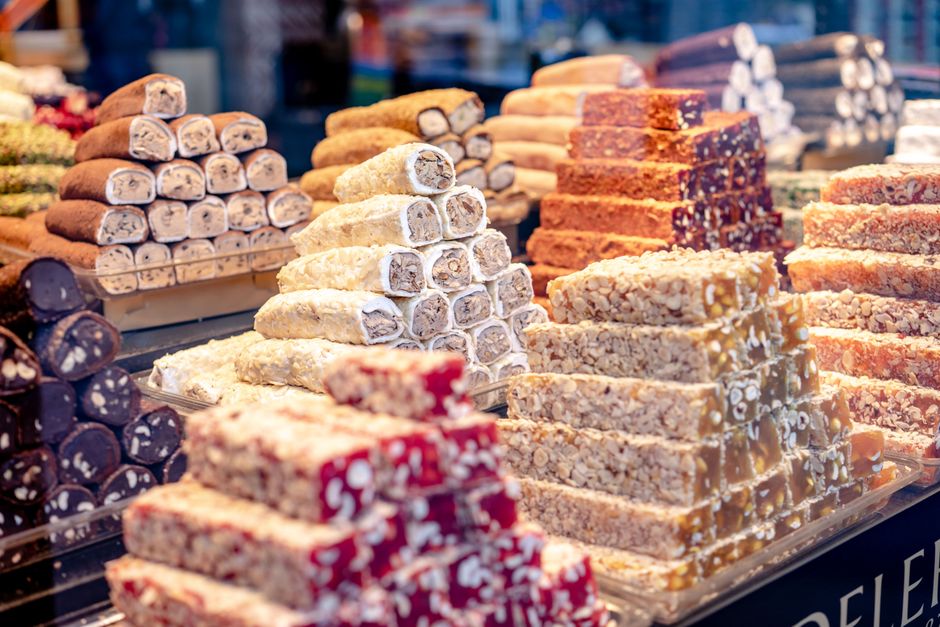
Indulge in the legendary Lokum, or Turkish delight, those soft, chewy confections in an endless variety of flavors, or treat yourself to world-renowned baklava from masters like Güllüoğlu, where layers of crispy filo pastry, nuts, and sweet syrup create pure bliss.
For a truly authentic experience, visit Mado, famous for its unique dondurma (ice cream) and other delightful desserts, offering a taste of tradition with every spoonful. And when you order your Türk kahvesi, remember to specify your sugar preference: “sade” (plain, no sugar), “orta şekerli” (medium sugar), or “çok şekerli” (very sweet) to get it just right.
If you’re feeling adventurous, consider trying Rakı, an anise-flavored alcoholic drink often enjoyed with mezes, offering a distinct taste of Turkish social culture.

Dining Like a Local: Insider Tips for a True Taste of Turkey
To truly immerse yourself in Turkey’s gastronomic scene, you’ll want to embrace a few local customs that elevate your dining experience from good to unforgettable! Always ask for “çay” (tea) after your meal; it’s often complimentary or very cheap and is a cherished sign of hospitality that you’ll quickly come to appreciate.
When dining in sit-down restaurants, tipping is customary and genuinely appreciated; a 5-10% tip is a good guideline, or simply round up for smaller bills to show your gratitude for excellent service.
For ultimate convenience and to explore a vast selection of local eateries, download the “Yemeksepeti” app; it’s a fantastic resource for food delivery, often featuring exclusive discounts that savvy travelers like you can snag.
Following these insider tips will not only save you money but also deepen your connection with the local culture, ensuring your journey through this Turkey Food and Drink Guide is as authentic and delicious as possible.