
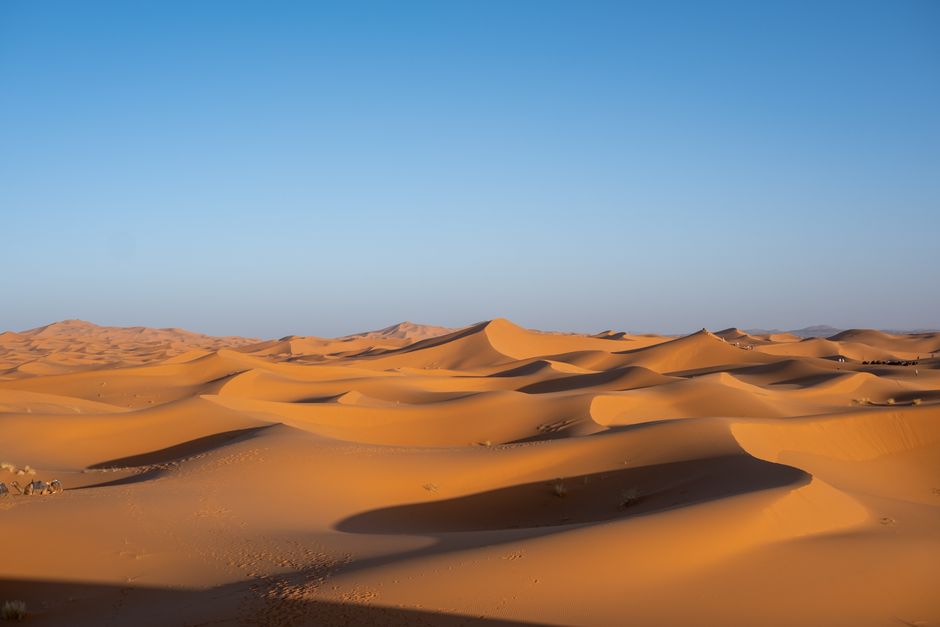
Feeling the Heat: Conquering Morocco’s Summer Sun in the Cities & Desert
Imagine stepping into the vibrant heart of Marrakech or Fes during summer, where from July to August, you’ll feel the sun’s powerful embrace as daytime temperatures frequently soar past a sizzling 38°C (100°F), only to cool slightly to a comfortable 20°C (68°F) at night. If your adventure takes you deeper into the majestic Sahara Desert, perhaps to Merzouga, prepare for an even more intense experience where the mercury can hit a scorching 45°C (113°F)! During these periods, especially when the hot Chergui wind blows through, planning indoor activities for midday is a brilliant strategy, allowing you to emerge refreshed for evening explorations.
To truly conquer the summer sun, staying hydrated is non-negotiable; always carry a reusable water bottle and sip frequently, as the dry heat can be incredibly deceptive. Embrace light, breathable clothing to mitigate discomfort and ensure you can fully immerse yourself in the bustling souks and ancient medinas without feeling overwhelmed. This approach will let you savor every aromatic spice and vibrant color, making your summer Moroccan journey unforgettable.
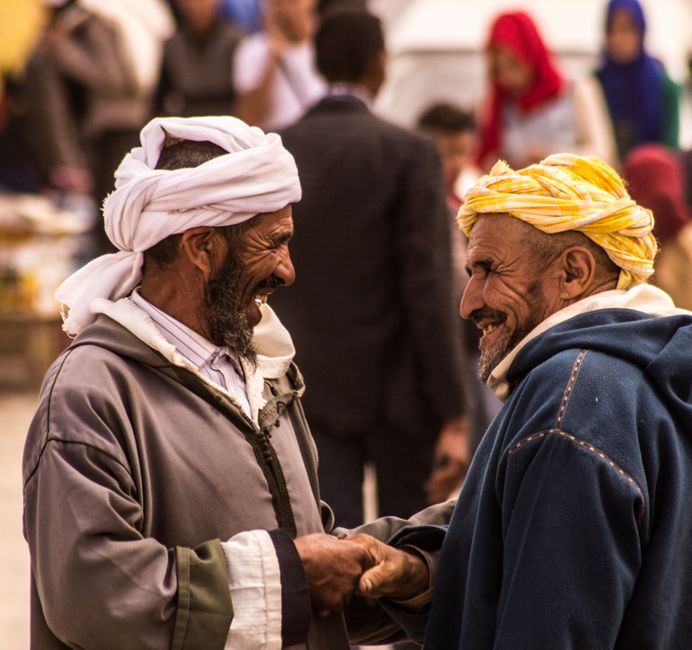
Coastal Breezes & Mountain Snows: Morocco’s Diverse Climates Unveiled
While the inland cities sizzle, Morocco’s Atlantic Coast offers a refreshing contrast that you’ll absolutely adore. In vibrant cities like Casablanca and Rabat, you’ll find milder summer averages of 26-28°C (79-82°F) from July to August, thanks to the ocean’s gentle, cooling influence, though you might notice a touch more humidity in the air. It’s the perfect setting for a leisurely stroll along the corniche or enjoying a mint tea with ocean views.
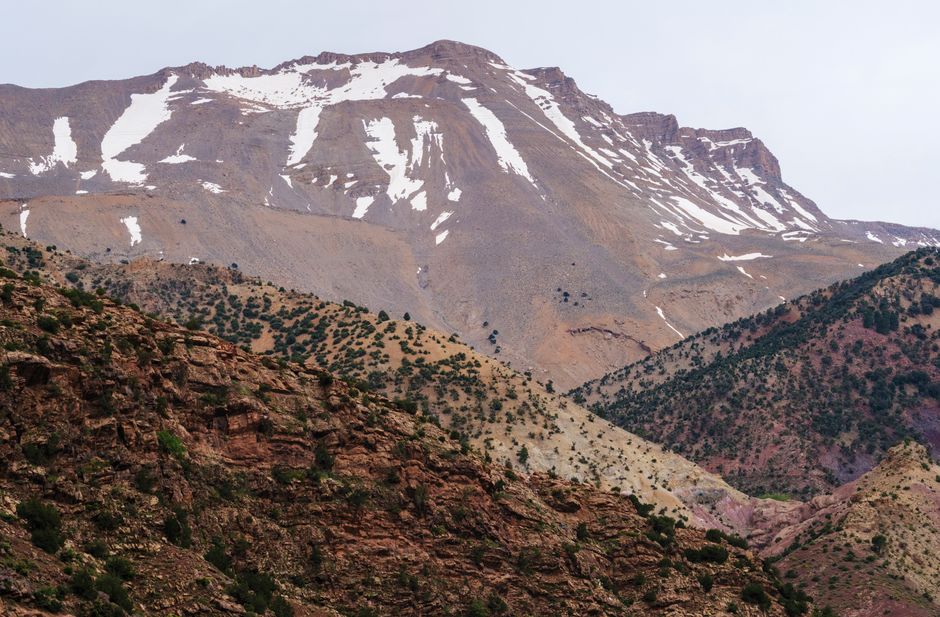
But wait, there’s even more to Morocco’s diverse climate story! Venture into the majestic High Atlas Mountains, and you’ll discover a completely different world, especially from December to March. Here, significant snowfall transforms peaks like Oukaïmeden into a breathtaking winter wonderland, with ski resorts operating and temperatures that can plunge to -5°C (23°F) or even lower. This incredible range means you can literally go from desert heat to mountain snow within a single, exhilarating trip!
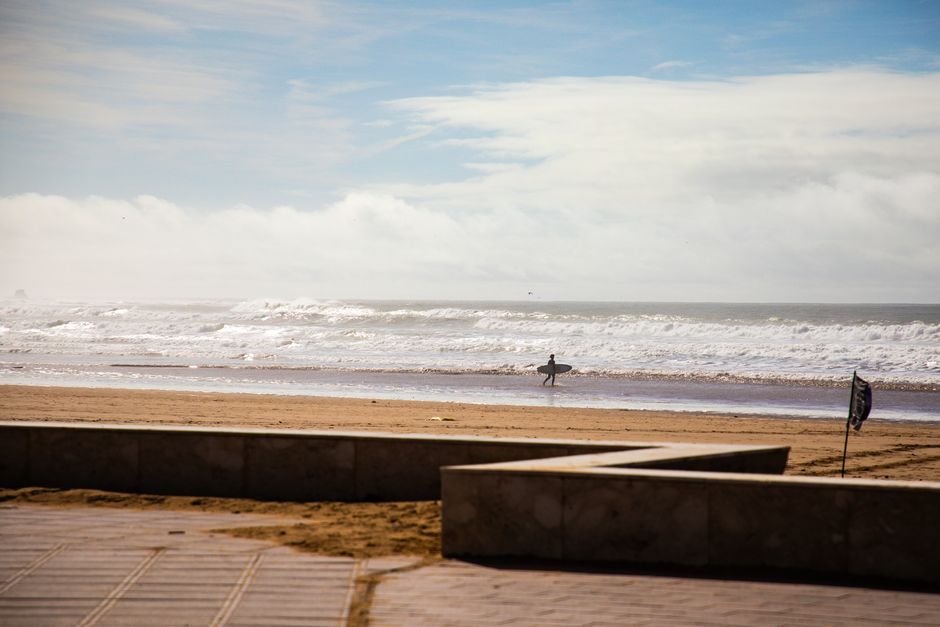
When to Pack Your Umbrella: Navigating Morocco’s Rainy Seasons
Don’t let a little rain dampen your spirits! If you’re planning your Moroccan escapade between October and April, especially in the northern reaches, you might encounter some refreshing showers that bring the landscapes to life. Northern regions like Tangier typically receive a generous average of 700-800mm of rain annually, ensuring lush, vibrant scenery that’s a feast for your eyes.
In stark contrast, the vast desert areas, like those you’d find in the south, see less than 200mm of rainfall, keeping them wonderfully arid and perfect for stargazing. For winter travel, particularly from December to February, in northern cities like Fes or the enchanting blue city of Chefchaouen, be prepared for potentially cold and wet weather. Packing waterproof outerwear and sturdy, comfortable shoes will ensure you stay cozy and dry, ready to explore every charming alleyway.

Your Golden Ticket: Discovering Morocco’s Perfect Travel Seasons
Now, for the ultimate secret to an unforgettable Moroccan journey: timing is everything when it comes to experiencing this incredible country at its best! The absolute sweet spot for exploring most of Morocco is during spring, from April to May, and autumn, spanning September to October. This is when the Morocco weather guide truly shines, offering you average temperatures across major cities that comfortably hover between a delightful 20-28°C (68-82°F).
Imagine wandering through ancient medinas, hiking scenic trails, or simply savoring a rooftop meal under a perfectly blue sky, all without the intense summer heat or the chill of winter. These shoulder seasons provide the ideal conditions for every type of adventure, from cultural immersion to outdoor exploration, making your trip truly magical and comfortable.
Smart Traveler’s Guide: Packing & Hydration Hacks for Moroccan Adventures
No matter when you visit, being a smart packer and staying impeccably hydrated are your absolute best friends on any Moroccan adventure! Always, and I mean always, carry a reusable water bottle and make hydration a top priority, especially when you’re exploring the sun-drenched inland cities or venturing into the vast, dry Sahara Desert where the heat can be deceptively intense. Your body will thank you for it!
This comprehensive Morocco weather guide emphasizes the importance of packing layers, even in summer, if your itinerary includes the desert or mountains. Temperatures can drop dramatically after sunset in these regions, requiring a warm jacket or sweater to keep you comfortable under the starry skies. For the most reliable and up-to-the-minute weather insights, always check the forecasts from the Direction Générale de la Météorologie (DGM) before you embark, ensuring you’re perfectly prepared for every incredible moment.