
What Will a Feast Cost You in Morocco? Your Culinary Budget Guide
Embarking on a culinary journey through Morocco doesn’t have to break the bank, especially when you know where to look! Your Morocco food guide adventure can be incredibly affordable, allowing you to savor every vibrant flavor without worry. Imagine digging into a traditional chicken or vegetable tagine at a local ‘snack’ eatery; these hearty, aromatic stews typically cost a delightful 40-70 MAD, offering incredible value and authentic taste.
For those quick, refreshing bites, a glass of freshly squeezed orange juice from a bustling street vendor will only set you back 5-10 MAD, a perfect pick-me-up. If you crave something more substantial, street food gems like a comforting bowl of Harira soup or sizzling brochettes (skewers) are readily available for 15-30 MAD. And for your hydration needs, a 1.5L bottle of local mineral water, like the popular Sidi Ali or Oulmès, costs a mere 6-10 MAD in any grocery store.
While street food offers fantastic savings, if you’re dreaming of a more refined experience in a mid-range restaurant, perhaps within a charming riad or a nicer café, expect a full meal to range from 120-250 MAD per person, excluding drinks. Remember, a crucial insider tip for your Morocco food guide: always ask for the price before ordering at street food stalls, especially in lively, tourist-heavy areas like Djemaa el-Fna, to ensure you get the local price and avoid any surprises.

From Tagine to Tanjia: Iconic Moroccan Dishes You Must Savor
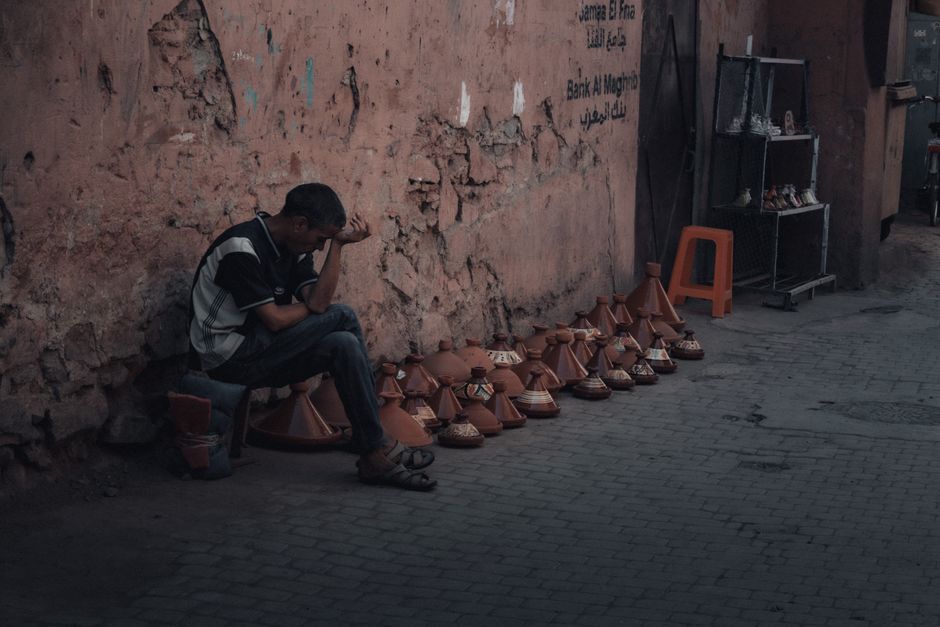
Prepare your taste buds for an explosion of flavors, because Moroccan cuisine is a symphony of spices and textures that will utterly captivate you! The iconic Tagine, a slow-cooked stew lovingly prepared in its distinctive conical clay pot, is an absolute must-try. You will discover countless variations, from tender chicken with preserved lemons and olives to succulent lamb with prunes and almonds, each infused with the complex magic of Ras el hanout.
Then there’s the legendary Tanjia, a specialty of Marrakech, which is a slow-cooked meat dish traditionally prepared in an urn-shaped clay pot in the embers of a public hammam furnace. Its rich, fall-off-the-bone tenderness and deep, earthy flavors are simply unforgettable. Don’t miss the comforting warmth of Harira, a traditional Moroccan soup often enjoyed during Ramadan, bursting with lentils, chickpeas, and herbs.
For a delightful contrast, you absolutely must sample Pastilla, a unique savory-sweet pastry that perfectly blends flaky layers with spiced pigeon or chicken, almonds, and a dusting of cinnamon and powdered sugar. And for a simple yet satisfying treat, grab some Msemen, a delicious Moroccan flatbread, often served with honey or cheese. Each dish tells a story, inviting you to dive deeper into Morocco’s rich culinary heritage.
Street Food Adventures: Eating Like a Local in Morocco’s Bustling Souks
Get ready to immerse yourself in the vibrant chaos and irresistible aromas of Morocco’s souks, where street food isn’t just a meal, it’s an exhilarating adventure! This is where your Morocco food guide truly comes alive, offering you a direct portal into the heart of local life. Wander through the labyrinthine alleys, and you’ll find sizzling skewers of brochettes and steaming bowls of hearty Harira soup, each available for a budget-friendly 15-30 MAD.
The energy of places like Djemaa el-Fna in Marrakech transforms into an open-air restaurant as dusk falls, with countless food stalls popping up, each vying for your attention. To truly eat like a local, seek out those bustling spots overflowing with Moroccan families and friends; a crowd is always a fantastic indicator of fresh, authentic, and deliciously priced food.
Don’t be shy to point, smile, and try a little bit of everything! From spicy merguez sausages to sweet pastries, the street food scene is a treasure trove of flavors waiting to be discovered. Just remember that friendly tip: always confirm prices beforehand, especially in the most popular squares, to ensure a smooth and delightful transaction.
Sip & Savor: The Art of Moroccan Mint Tea and Refreshing Sips
No Morocco food guide would be complete without celebrating the iconic Moroccan Mint Tea, or Atay, a symbol of hospitality and a daily ritual you absolutely must experience. This sweet, refreshing brew, often poured with theatrical flair from a height, is more than just a drink; it’s an invitation to connect. A small glass in a cozy café typically costs a modest 10-20 MAD, offering you a moment of pure bliss.
When you’re offered mint tea, it’s considered incredibly polite and a fundamental gesture of Moroccan hospitality to accept at least one glass. Savor the warmth, the sweet minty notes, and the friendly atmosphere that accompanies every pour. It’s truly a taste of Moroccan culture in a cup!
Beyond the beloved Atay, you’ll find other refreshing sips to quench your thirst. The freshly squeezed orange juice from street vendors, vibrant and sweet, is an absolute steal at 5-10 MAD. And for pure, crisp hydration, grab a 1.5L bottle of local mineral water like Sidi Ali or Oulmès from any grocery store for around 6-10 MAD. Stay hydrated and happy as you explore!

Navigating the Moroccan Table: Insider Tips for an Authentic Dining Experience
To truly embrace the Moroccan culinary scene, understanding a few local customs will elevate your dining experience from great to absolutely unforgettable. When you find yourself sharing a communal dish, as is often the tradition, remember to use your right hand to scoop up food. This gesture is a sign of respect and a wonderful way to connect with local dining practices.
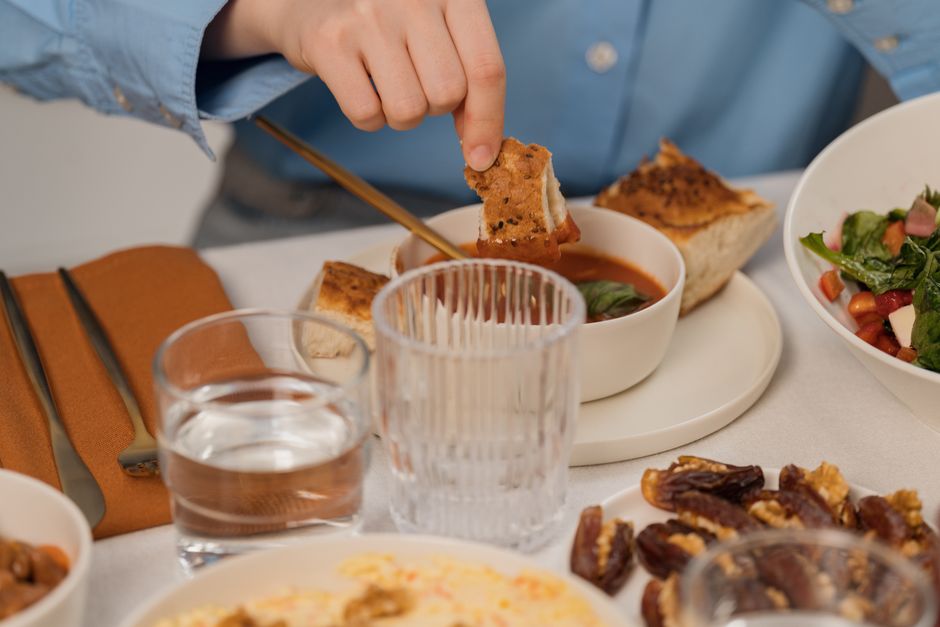
Bread, or khobz, is your essential utensil at the Moroccan table. You’ll use it to elegantly pinch and scoop up delicious tagine sauces, tender meats, and vibrant salads. It’s not just food; it’s a shared experience, a bond over breaking bread together. Don’t be afraid to dive in and enjoy!
Beyond the practicalities, remember that dining in Morocco is often a leisurely affair, a time for conversation and connection. Embrace the slower pace, savor each bite, and allow yourself to be enveloped by the warmth of Moroccan hospitality. These insider tips will ensure your journey through this Morocco food guide is as authentic and enriching as possible.