
Decoding South Africa’s Diverse Climates: A Regional Rundown
Prepare to be amazed by the sheer variety of climates South Africa offers, a true testament to its vast and captivating landscapes! Understanding this diversity is key to planning your perfect adventure, and this South Africa weather guide will help you navigate it all.
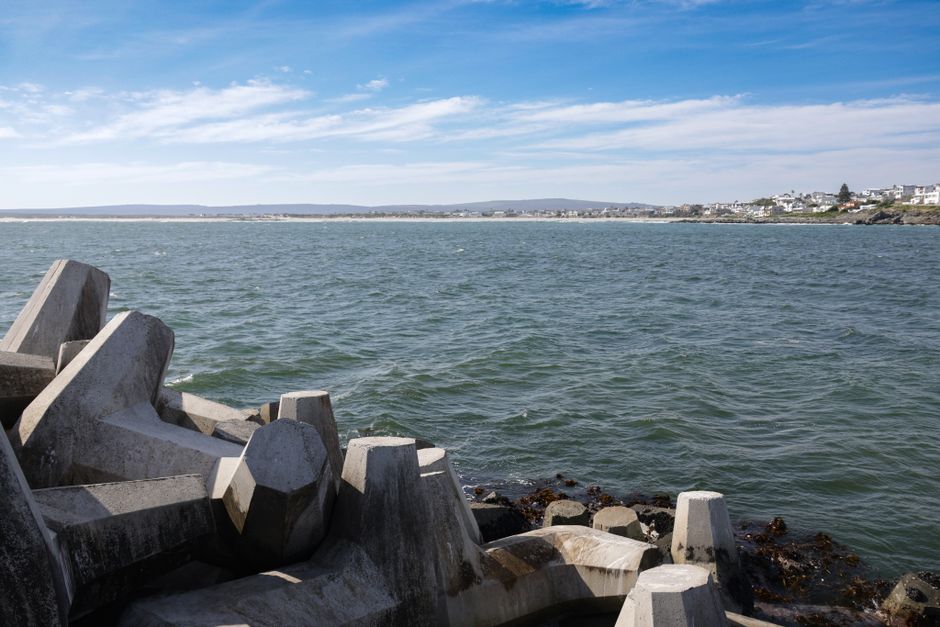
Imagine yourself in CAPE TOWN, where a delightful Mediterranean climate reigns supreme; summers from December to February sizzle at a pleasant 20-26°C with glorious sunshine and minimal rain, while winters (June-August) bring refreshing showers and temperatures of 10-18°C, perfect for cozy evenings.
Venture inland to JOHANNESBURG and the HIGHVELD, where summers (November-March) are vibrant with temperatures averaging 20-28°C, often culminating in dramatic afternoon thunderstorms that clear to crisp evenings. Winters (June-August) here are a different beast, dry and sunny, ranging from 5-18°C, but be ready for surprisingly cold nights.
Along the KWAZULU-NATAL coast, including DURBAN, you’ll bask in a subtropical paradise with year-round warmth, typically 20-28°C. Summers (November-March) are humid and lush with higher rainfall, while winters are simply divine, offering mild, pleasant days. Even KRUGER NATIONAL PARK boasts distinct seasons: its dry season (May-October) is a game-viewer’s dream at 10-25°C, while the wet season (November-April) is hotter, 20-32°C, and transforms the landscape into a vibrant, green haven, and don’t forget the KAROO semi-desert, where summer highs can soar past 35°C and winter nights frequently dip below 0°C!
When to Visit: Unlocking the Best Seasons for Your Adventure
Deciding when to embark on your South African escapade truly depends on what incredible experiences you’re chasing, as each season unveils a different facet of this magnificent country. Whether you dream of sun-drenched beaches or thrilling wildlife encounters, there’s a perfect time for you.
For unparalleled wildlife viewing, especially in places like KRUGER NATIONAL PARK, the dry season from May to October is your golden ticket, with sparse vegetation making animals easier to spot and average temperatures of 10-25°C creating comfortable safari conditions.
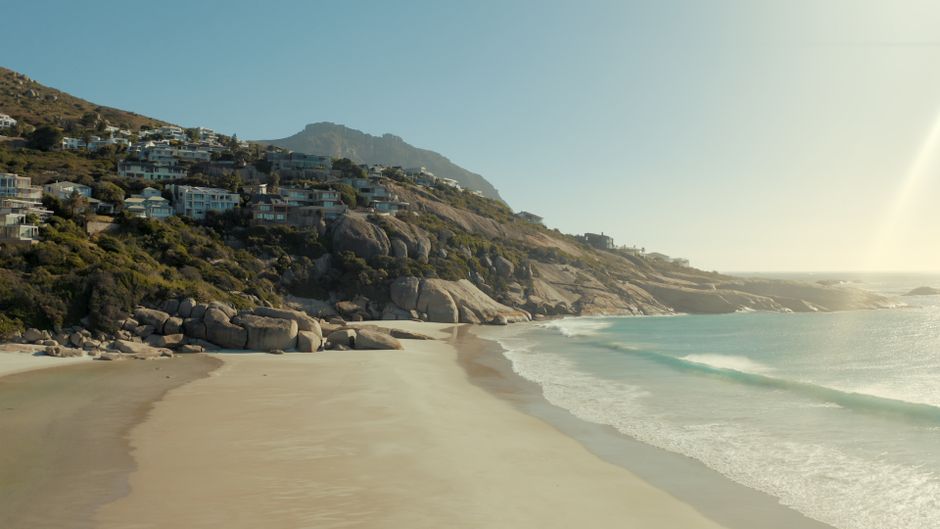
If coastal bliss is calling your name, aim for Cape Town’s glorious, dry summers (December-February) or Durban’s mild, pleasant winters, where you can soak up the sun without the humidity. Remember, even in summer, evenings can be surprisingly cool, particularly in the Highveld and coastal areas like Cape Town, so always pack versatile layers to stay comfortable.
Ultimately, South Africa’s diverse climates mean you can find an ideal destination for any month, ensuring your trip is filled with exactly the kind of magic you’re seeking.

Packing Smart: Your Essential Guide to South African Weather
Packing smart is absolutely crucial for a South African adventure, as you’ll likely encounter a delightful array of weather conditions, sometimes even within a single day! Think versatility and comfort to truly embrace every moment.
Always, and we mean always, pack versatile layers; even during the peak of summer, evenings can bring a surprising chill, especially in the HIGHVELD and along the captivating coastal areas like Cape Town. A light jacket or a cozy cardigan will be your best friend.
If your journey takes you to the interior, such as JOHANNESBURG or KRUGER, during the summer months (November-March), make sure to tuck a light, packable rain jacket into your bag. Those dramatic afternoon thunderstorms are a beautiful spectacle, but you’ll want to stay dry!
Beyond clothing, remember that the South African sun is incredibly powerful, so integrating sun protection into your packing list is non-negotiable. This proactive approach will ensure you’re ready for anything, allowing you to fully immerse yourself in the experience.

Sun Safety & Staying Hydrated: Thriving Under the African Sky
Thriving under the glorious African sky means prioritizing sun safety and staying wonderfully hydrated, as the sun here is no joke! Your well-being is paramount for enjoying every sun-drenched moment.
The UV index across South Africa frequently soars to 10+ during the summer months (December-February), so arm yourself with SPF 50+ sunscreen and apply it generously and often. Don’t forget protective clothing, like long-sleeved tops and light trousers, especially during peak sun hours.
Regardless of the season or region you’re exploring, always carry plenty of water with you; staying hydrated is key to feeling energized and vibrant throughout your adventures. A wide-brimmed hat is also a highly recommended accessory, offering excellent protection for your face and neck.
Embrace these simple habits, and you’ll be perfectly set to soak up all the warmth and beauty South Africa has to offer, feeling fantastic from sunrise to sunset.

Beyond the Forecast: Tapping into Local Weather Wisdom
While general forecasts are a great starting point, truly mastering the South Africa weather guide means tapping into local wisdom and understanding the nuances of its microclimates. Weather can shift dramatically even over short distances, adding to the country’s mystique.
For the most accurate and localized forecasts, we highly recommend downloading the official ‘SA Weather Service’ app; it’s a fantastic resource directly from the source. Alternatively, ‘AccuWeather’ also provides reliable, detailed information to help you plan your days perfectly.
Keep an ear out for local phenomena, like the famous BERG WIND, a hot, dry wind that can sweep down from the interior to the coast, bringing sudden temperature changes. These local insights can truly enhance your understanding and preparedness.
By combining official forecasts with a little local savvy, you’ll be perfectly equipped to embrace every weather whim and make the most of your unforgettable journey through South Africa!