
Journey Through Time: Unearthing South Africa’s Powerful Past
Prepare yourself for an incredibly moving journey as you delve into South Africa’s profound history, a past that shaped its vibrant present and continues to resonate deeply. Understanding these powerful narratives is essential for truly appreciating the spirit of the nation and unlocking the depth of South Africa cultural experiences.
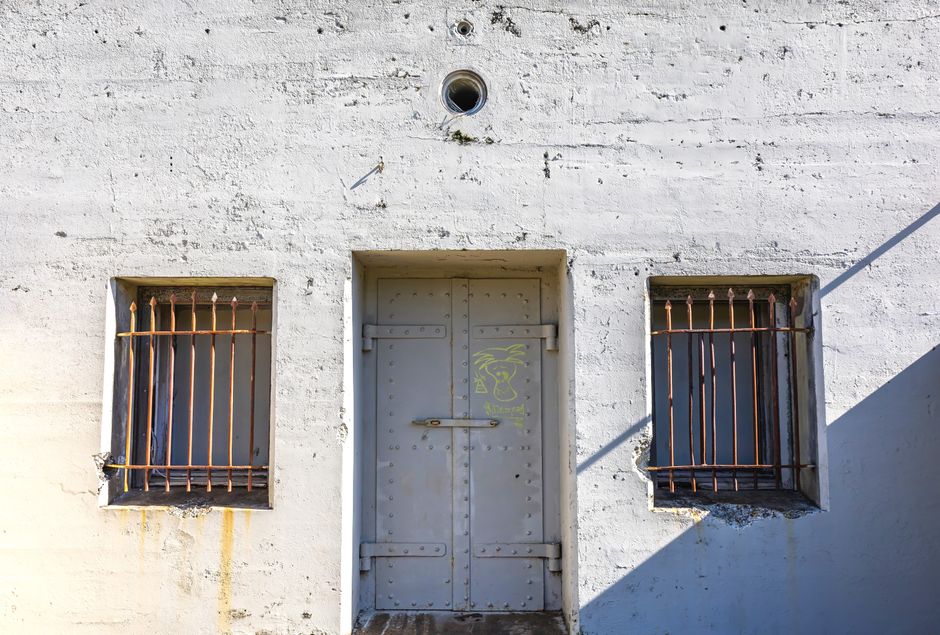
Your first stop must be the iconic Robben Island Museum, where Nelson Mandela was imprisoned; it’s an experience that will stay with you forever. Remember to book your ferry and tour tickets at least 2-3 weeks in advance, especially if you’re traveling between November and March, as tours frequently sell out; you can secure yours via Webtickets or the official Robben Island Museum website, with international visitor tickets priced at R600.
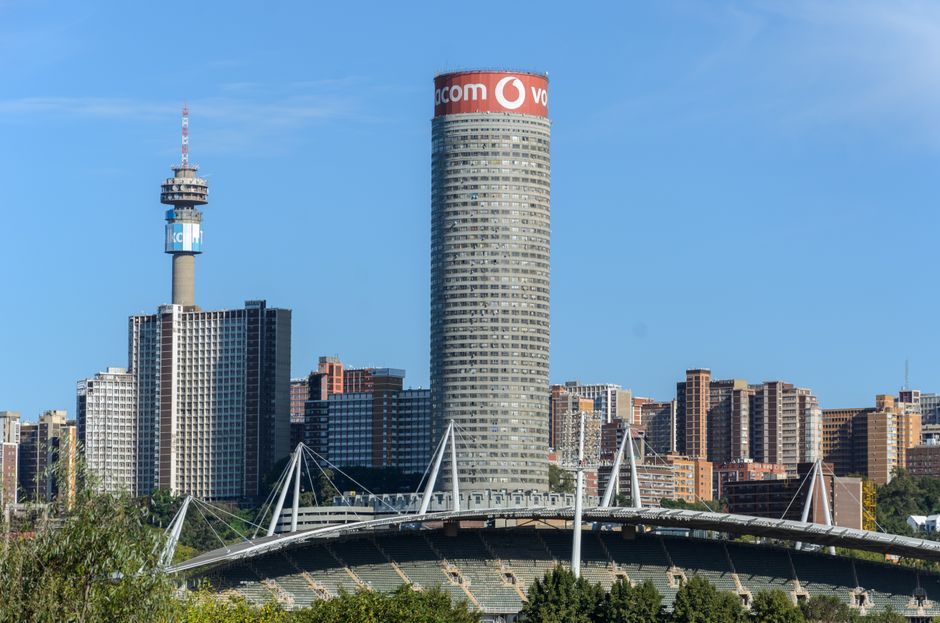
Next, immerse yourself in the poignant exhibits at the Apartheid Museum in Ormonde, Johannesburg, where an entry fee of R150 for adults grants you access to a truly unforgettable and educational visit. Don’t miss the District Six Museum in Cape Town, located at 25A Buitenkant Street, offering self-guided tours for R60 or deeply insightful guided tours for R80, each revealing the resilience of a community forcibly removed from their homes.
Taste of the Nation: Savoring South Africa’s Iconic Flavors
Get ready to ignite your taste buds and embark on a culinary adventure that is as diverse and vibrant as the nation itself! South Africa’s food scene is a delicious tapestry of cultures, promising you unforgettable flavors and truly authentic South Africa cultural experiences.
You absolutely must experience a traditional “shisa nyama” (braai), a sizzling communal barbecue that’s more than just a meal—it’s a celebration of community and flavor. Head to a local spot like the legendary Mzoli’s Place in Gugulethu, Cape Town, where a generous plate typically including succulent meat, fluffy pap, and zesty chakalaka will set you back around R150-R250.
And for a truly unique street food sensation, you have to try a “Bunny Chow” in Durban, a hollowed-out quarter loaf of bread brimming with a rich, aromatic curry. You can snag this iconic dish from popular spots like Oriental Plaza or Gounden’s Restaurant for about R60-R90, depending on whether you choose a hearty chicken, mutton, or bean filling.

Feel the Beat: Immersing in South Africa’s Dynamic Music Scene
Prepare to move your feet and let the infectious rhythms of South Africa’s music scene sweep you away! The country pulses with an undeniable energy, from soulful jazz to electrifying dance genres, promising you an unforgettable auditory journey.
You’ll discover the vibrant heart of contemporary South African sound by diving into the world of Amapiano and Gqom, two genres that have taken the globe by storm with their unique beats and captivating melodies. Attending a live event in Johannesburg or Cape Town is an absolute must, with entry typically ranging from R100-R300; keep an eye on platforms like Quicket or local promoters for upcoming gigs.
These aren’t just concerts; they are immersive cultural experiences where you can truly feel the pulse of the nation, dance alongside locals, and create memories that resonate long after the music fades. Don’t just listen; become part of the rhythm!
Beyond the Tourist Trail: Unlocking Authentic South African Experiences
If you truly want to expand your horizons and connect with the heart of South Africa, venture beyond the usual hotspots and embrace the authentic. These deeper South Africa cultural experiences will introduce you to the warmth of its people and the richness of its daily life.
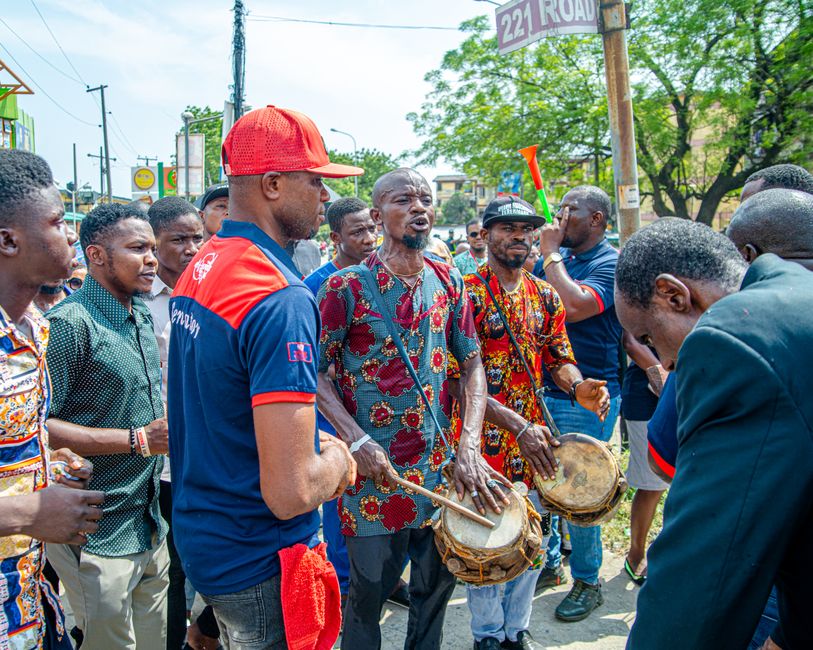
When you visit vibrant townships like Soweto or Langa, always opt for a reputable, registered local tour operator; this not only ensures your safety but also directly supports the incredible communities you’re exploring. You’ll gain invaluable insights and foster genuine connections that a standard tour simply can’t offer.
Enhance your interactions by learning a few basic greetings like “Molo” (hello) or “Enkosi” (thank you) in isiXhosa, or “Sawubona” (hello) and “Ngiyabonga” (thank you) in isiZulu; locals truly appreciate the effort. For authentic crafts, bypass the generic souvenir shops and explore local markets like the Neighbourgoods Market in Cape Town or Johannesburg, or smaller community craft stalls where you can respectfully haggle for unique treasures, and remember that tipping 10-15% in restaurants, R10-R20 for petrol attendants, and R5-R10 for car guards is customary and appreciated.