
Unlocking Peace of Mind: What Does Nepal Travel Insurance Really Cost?
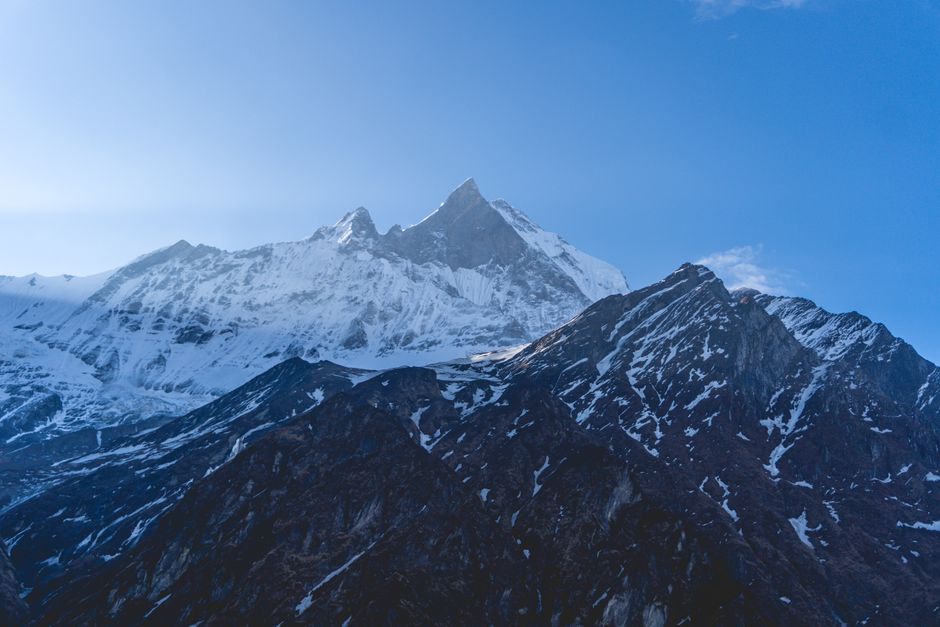
Imagine yourself amidst the vibrant chaos of Kathmandu, sipping a steaming cup of masala chai, or gazing at the majestic Himalayas. To truly savor every moment without a whisper of worry, securing robust Nepal travel insurance is your golden ticket. You might be pleasantly surprised to discover that peace of mind doesn’t have to break the bank; a standard two-week policy, covering essential medical needs and those unexpected trip interruptions, typically falls within a very reasonable USD 60-120 for a healthy adult.
When you’re comparing options, remember that providers like World Nomads, SafetyWing, and Allianz Travel Insurance offer a spectrum of plans tailored to different adventures and budgets. While the base cost is a fantastic starting point, always dive into the details to ensure your chosen policy aligns perfectly with your itinerary, whether you’re exploring ancient temples or gearing up for a trek.
Investing in comprehensive Nepal travel insurance isn’t just a smart move; it’s an essential part of crafting an unforgettable, worry-free journey. It’s about protecting your adventure, your health, and your wallet, allowing you to fully immerse yourself in the magic of this incredible country.

Conquering the Peaks: Essential Coverage for Nepal’s High-Altitude Treks
If the call of the mountains is pulling you towards Nepal’s breathtaking high-altitude treks, like the iconic Everest Base Camp or the stunning Annapurna Circuit, your travel insurance needs a serious upgrade. You’ll want a policy that includes a minimum of USD 100,000 for emergency medical expenses and a robust USD 250,000 for emergency medical evacuation. This isn’t just a recommendation; it’s a lifeline when you’re far from urban medical facilities.
Crucially, for any adventure above 4,000 meters, ensure your policy explicitly covers helicopter rescue. Without this vital inclusion, a single incident could set you back upwards of USD 5,000-10,000, a sum no one wants to face unexpectedly. Always verify the altitude limit of your policy; many standard plans only cover up to 3,000-4,000 meters, so you’ll definitely need an upgrade for those higher, more challenging routes.
Beyond medical evacuation, make sure your policy covers search and rescue operations, as these are distinct services. Companies like Global Rescue specialize in these critical services, offering an extra layer of security. Before you embark, consider consulting with the Trekking Agencies’ Association of Nepal (TAAN) for their invaluable insights on reputable providers and essential coverage for your specific trek.

Beyond the Trails: Insuring Your Thrills with Nepal’s Adventure Sports
Nepal isn’t just about majestic mountains; it’s a playground for adrenaline junkies! If you’re dreaming of soaring like an eagle while paragliding over Pokhara’s serene Phewa Lake or tackling the exhilarating rapids of the Trishuli River on a white-water rafting adventure, you’ll need to ensure your Nepal travel insurance is ready for the ride.
Many standard policies don’t automatically cover these heart-pumping activities. To truly embrace the thrill without a flicker of worry, you’ll often need to add a specific ‘adventure sports’ rider to your policy. This small addition can make a huge difference, protecting you financially if an unexpected tumble or twist occurs during your high-octane pursuits.
Always double-check the fine print before you embark on any adventure sport. Confirm that your chosen activities are explicitly listed and covered. This way, you can fully immerse yourself in Nepal’s incredible array of thrilling experiences, knowing you’re completely protected.

Navigating Emergencies: Your Guide to Claims and Support in Nepal
Even with the best plans, sometimes the unexpected happens. Knowing how to navigate claims and access support is crucial for a smooth experience in Nepal. Be aware that many policies require upfront payment for medical services, with reimbursement processed after your trip. This means you’ll need to keep every single original receipt and medical report meticulously organized for your claim.
Before you even depart, confirm if your policy offers direct payment to hospitals in major cities like Kathmandu or Pokhara, or if it’s strictly a reimbursement model. Direct payment can significantly ease immediate access to care, removing the stress of upfront costs during a challenging time. This small detail can make a world of difference when you need help most.
To stay connected and prepared, download your insurance provider’s official app and save all emergency contact numbers offline. While internet access can be spotty in remote areas, your guides often have satellite phone access for critical situations. Being proactive with these steps ensures you have a clear path to support, allowing you to focus on your recovery and getting back to enjoying your incredible Nepal adventure.