
Kathmandu & Valley: A Seasonal Snapshot
Imagine yourself stepping into the vibrant heart of Nepal, where the Kathmandu Valley pulses with ancient history and breathtaking views! Understanding the local climate here is your first step to an unforgettable adventure, and this Nepal weather travel guide is your compass. You’ll find the valley enjoys a wonderfully temperate rhythm, offering distinct experiences throughout the year.
During the sizzling summer months, from June to August, you can expect average daytime temperatures to comfortably hover between 25-30°C, perfect for exploring temples and bustling markets. As winter descends, typically from December to February, the air turns crisp and cool, with daytime temperatures settling into a refreshing 10-15°C, ideal for cozy evenings with a warm cup of chiya.
This seasonal dance ensures that no matter when you visit, you’ll discover a unique charm. Whether you’re chasing the warmth of the sun or embracing the cooler mountain air, the Kathmandu Valley always delivers a memorable experience for your senses.

Monsoon’s Embrace: When Rain Paints the Landscape
While many travelers chase clear skies, don’t underestimate the dramatic beauty of Nepal during the monsoon! From June to September, the powerful South Asian Monsoon sweeps across the country, delivering a staggering 70-80% of Nepal’s annual rainfall. Imagine lush, emerald landscapes coming alive, washed clean by nature’s own hand.
Kathmandu, for instance, typically receives a generous 350-400mm of rain in July alone, transforming the city into a vibrant, reflective canvas. You’ll witness waterfalls cascading with renewed vigor and the air feeling wonderfully fresh and clean after a downpour.
However, if you’re dreaming of high-altitude treks, you’ll want to consider avoiding the peak monsoon, as the increased risk of landslides and the prevalence of leeches at lower elevations can make some trails challenging. Instead, embrace the cultural experiences, vibrant festivals, and the unique, misty atmosphere that only the monsoon can provide.

Chasing Clear Skies: The Best Seasons for Himalayan Treks
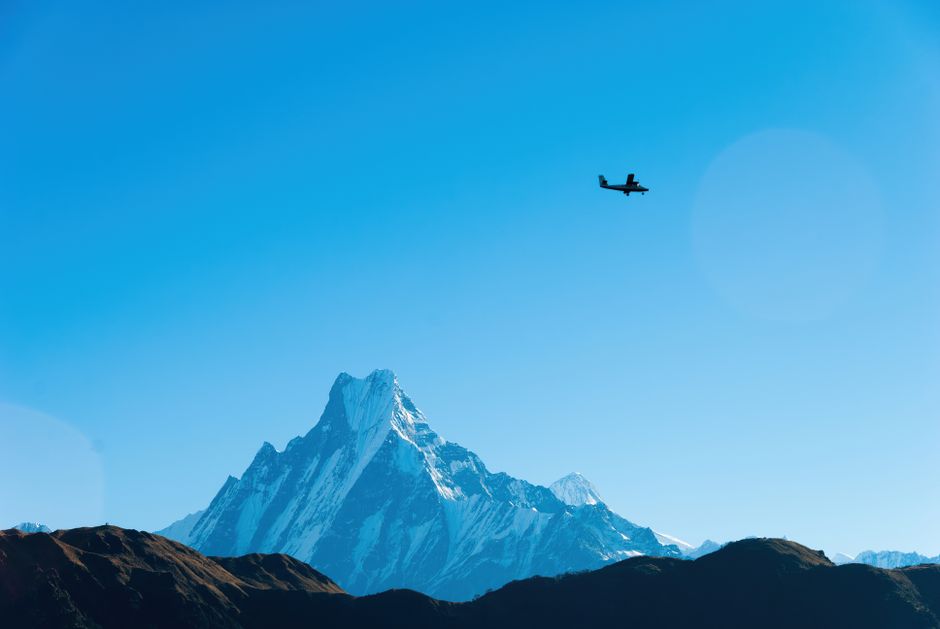
For those of you yearning to conquer the majestic peaks and immerse yourselves in the grandeur of the Himalayan climate zone, timing your visit is absolutely key! The prime trekking season in autumn, from September to November, is truly magical. You’ll be greeted by crystal-clear skies, stable weather, and panoramic views that stretch for miles, making every step a postcard moment.
During this golden period, daytime temperatures at lower altitudes (below 2000m) are a pleasant 15-25°C, while higher up (3000-4000m), you can expect a refreshing 5-15°C. Another fantastic window is spring, from March to May, when the mountains burst into a riot of color as rhododendrons bloom across the landscape. Mountain regions during spring offer comfortable daytime temperatures of 10-20°C, perfect for your ascent.
While these seasons offer unparalleled beauty, remember to avoid high-altitude treks during peak winter, from December to February. Heavy snow, potential trail closures, and extreme cold can make conditions incredibly challenging. Plan your adventure for autumn or spring, and you’ll be rewarded with an experience that will etch itself into your memory forever.

Beyond the Mountains: The Tropical Heat of Nepal’s Terai
While the Himalayas beckon with cool breezes, Nepal’s southern Terai plains offer a completely different climate experience, placing you firmly in a subtropical climate zone. If your journey takes you to incredible spots like Chitwan National Park, prepare for a distinct change in temperature and atmosphere.
From April to June, the Terai can experience extreme summer temperatures, often soaring beyond a scorching 40°C. This intense heat creates a unique, humid environment, perfect for spotting wildlife as they seek respite by watering holes.
Planning your visit to the Terai during the cooler months, perhaps from October to March, will offer you more comfortable conditions for safaris and exploring the lush jungles. This diversity in climate is just another reason why your Nepal weather travel guide needs to be comprehensive, ensuring you’re prepared for every thrilling facet of this incredible country.
Weather-Wise Wanderer: Essential Tips for Your Nepal Journey
To truly master your Nepali adventure, becoming a weather-wise wanderer is paramount! Always pack in layers, especially if you’re heading out on a trek. Temperatures can fluctuate dramatically with altitude and even throughout the day, so a good quality down jacket is absolutely essential for those high-altitude trips, ensuring you stay toasty warm.
Even outside the main monsoon season, mountain weather can be notoriously unpredictable with sudden showers, so carrying reliable rain gear—think a waterproof jacket and trousers—is a smart move. You’ll thank yourself when an unexpected cloudburst hits! This proactive approach is a cornerstone of any effective Nepal weather travel guide.
For the most accurate local forecasts, always consult the official Department of Hydrology and Meteorology (DHM) Nepal website. Alternatively, use trusted apps like AccuWeather or Weather Underground, making sure to specify the exact town or trekking region you’re in, as Nepal’s microclimates mean conditions can vary wildly even over short distances. Being prepared means you can fully immerse yourself in every moment, come rain or shine!