
Your Lifelines in Nepal: Essential Contacts for Peace of Mind
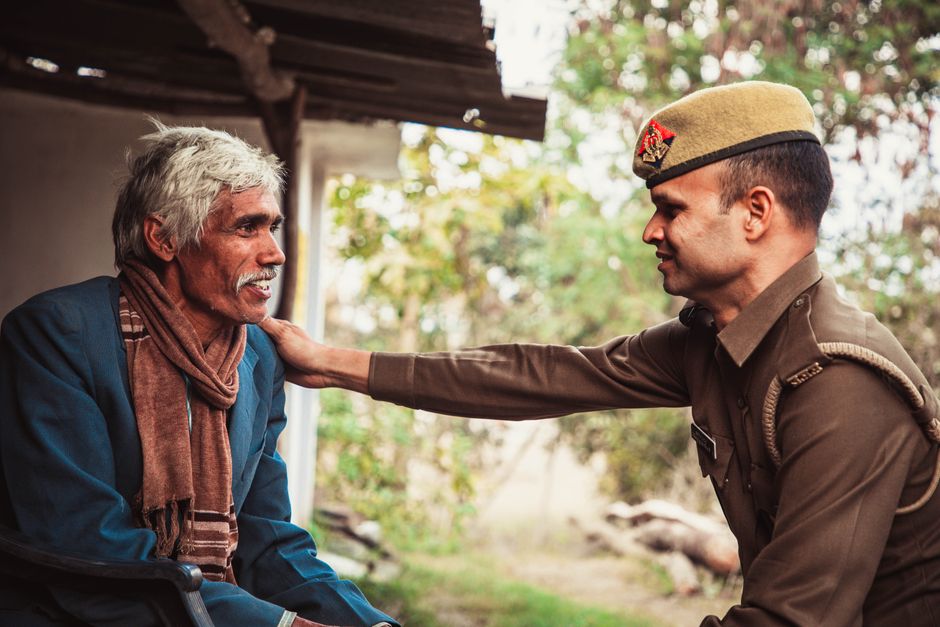
Imagine yourself amidst the vibrant chaos of Kathmandu, a sudden question pops up, or perhaps a minor hiccup occurs. Fear not, because your Nepal safety guide is always within reach, offering peace of mind with essential contacts. Should you ever need immediate assistance, remember the nationwide emergency numbers: dial 100 for the Nepal Police, 101 for the Fire Department, and 102 for an Ambulance – these lifelines are free and always ready to serve you.
Beyond these core services, you’ll find an incredible resource in the Tourist Police Nepal. Their dedicated hotline, +977-1-4247041 in Kathmandu, operates 24/7, specifically designed to assist you with any tourist-related issues or emergencies, ensuring you always have a friendly, expert voice to guide you.
Having these numbers saved in your phone before you even land is a brilliant move, giving you an immediate sense of security and empowering you to explore Nepal’s breathtaking landscapes and rich culture with complete confidence.

Stay Connected & Savvy: SIM Cards and Digital Safety
Once you land, one of your first savvy moves should be grabbing a local SIM card to stay connected and navigate your adventures with ease. Both Ncell and Nepal Telecom (NTC) offer fantastic coverage across the country, ensuring you can share those stunning mountain vistas or find your way through bustling markets.
You can snag a SIM for a mere NPR 100-200, just remember to bring your passport copy and a photo for quick registration – it’s a simple process that unlocks a world of convenience. A typical 10GB data pack, perfect for all your mapping and social sharing needs, will set you back around NPR 500-700 and is valid for a generous 28 days.
Staying connected isn’t just about sharing your journey; it’s a crucial aspect of your personal safety, allowing you to access emergency services, communicate with your loved ones, and utilize helpful apps wherever your Nepalese adventure takes you.
Smart Money Moves: Navigating ATMs & Cash in Nepal
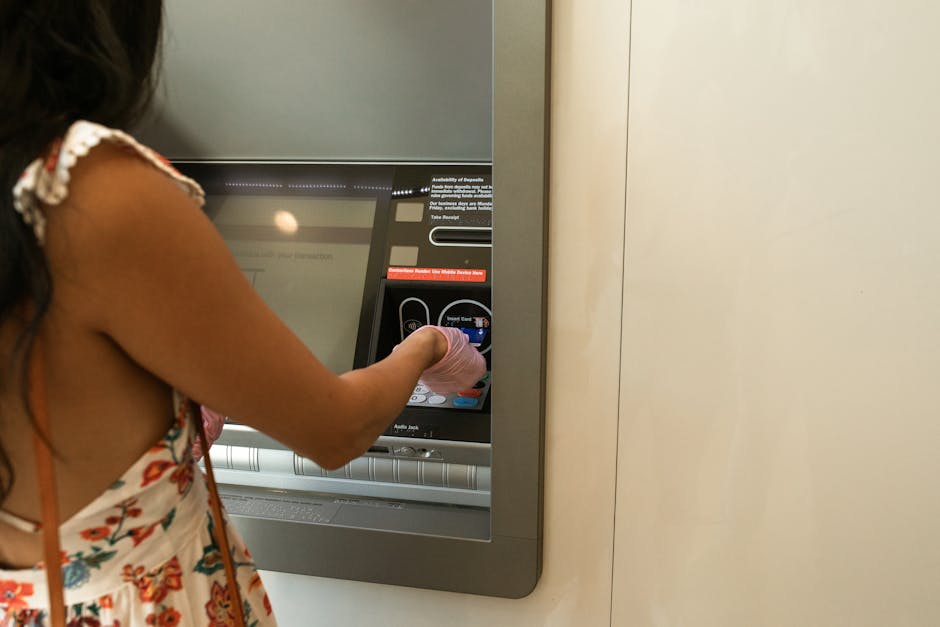
Navigating your finances in Nepal is a breeze with a little insider knowledge, ensuring your budget stays happy and healthy throughout your journey. While major cities offer plenty of ATMs, remember that most have a per-transaction limit, typically allowing you to withdraw NPR 25,000-35,000 at a time, so plan your cash needs accordingly.
Daily withdrawal limits often hover around NPR 100,000, but these can vary by bank, so it’s always smart to check with your own bank before you travel. This comprehensive Nepal safety guide ensures you’re always prepared for any financial situation.
An essential insider tip: always carry a small amount of local currency, Nepalese Rupees (NPR), for those charming small purchases and unexpected moments. Card payments aren’t universally accepted, especially outside the vibrant major cities and along remote trekking routes, so having crisp notes in your pocket is a true travel hack.

High-Altitude Adventures: Trekking Safely in the Himalayas
For those of you dreaming of conquering the majestic Himalayas, your Nepal safety guide is crucial for a truly breathtaking and secure experience. When venturing above 2,500m, always prioritize a slow, steady ascent, ideally gaining no more than 300-500m in elevation per day once you’re above 3,000m, with essential acclimatization days built into your itinerary to prevent altitude sickness.
The incredible Himalayan Rescue Association (HRA) operates vital aid posts in Manang and Pheriche during peak trekking seasons, providing medical assistance and invaluable advice. Before you even set foot on the trails, secure your TIMS card (Trekkers’ Information Management System) for NPR 2,000 from the Nepal Tourism Board offices in Kathmandu or Pokhara – it’s a mandatory permit that helps track trekkers for their safety.
Most importantly, ensure your travel insurance explicitly covers high-altitude rescue and medical evacuation. Helicopter rescues in these remote regions can cost upwards of USD 5,000-10,000 and are rarely covered by standard policies, so invest in that peace of mind before you embark on your epic Himalayan journey.

Street Smarts: Avoiding Scams and Staying Secure in Nepal
As you dive into the bustling markets and vibrant streets of Nepal, a little street smarts will ensure your journey remains smooth and worry-free. To sidestep those common taxi woes, like overcharging or a ‘broken’ meter, empower yourself by using brilliant ride-hailing apps like Pathao or InDrive in Kathmandu and Pokhara – they offer transparent pricing and a hassle-free experience.
If an app isn’t an option, always, always agree on the fare *before* you start your journey to avoid any unpleasant surprises at your destination. This proactive approach saves you both money and stress.
Finally, be vigilant against petty theft, especially in crowded, sensory-rich areas like the markets of Thamel, Ason, and Indra Chowk, or on public buses. Keep your valuables secure and out of sight, avoid flaunting expensive items, and you’ll navigate Nepal’s enchanting streets like a seasoned pro, soaking in every incredible moment without a worry.