
Unlocking Nepal’s Wonders: Your Permit & Entry Fee Guide
Ready to dive into the breathtaking landscapes of Nepal? Before you lace up your boots, understanding the permit system is key to a smooth adventure, and this Nepal regions travel guide is here to light the way. For those dreaming of the majestic Everest Region, you’ll need to secure a Sagarmatha National Park entry permit, costing NPR 3000 (approximately EUR 21) for foreigners, which you can conveniently pay at Monjo or the Nepal Tourism Board in Kathmandu.
If the serene trails of the Annapurna region are calling your name, an Annapurna Conservation Area Project (ACAP) permit is mandatory for all treks, also priced at NPR 3000 (approximately EUR 21) for foreigners. Beyond these specific park fees, a Trekkers’ Information Management System (TIMS) card is a crucial requirement for most trekking regions, costing NPR 2000 (approximately EUR 14) for individual trekkers, ensuring your safety and tracking your journey.
Here’s an insider tip to save you time and hassle: make a beeline for the Nepal Tourism Board office in Kathmandu (Bhrikuti Mandap) or Pokhara to obtain all your trekking permits – that’s your ACAP, TIMS, and National Park entry. This smart move helps you avoid potential surcharges and lengthy waits at remote checkpoints, letting you focus on the thrilling journey ahead rather than paperwork!

Conquering the Peaks: Everest & Annapurna Adventures
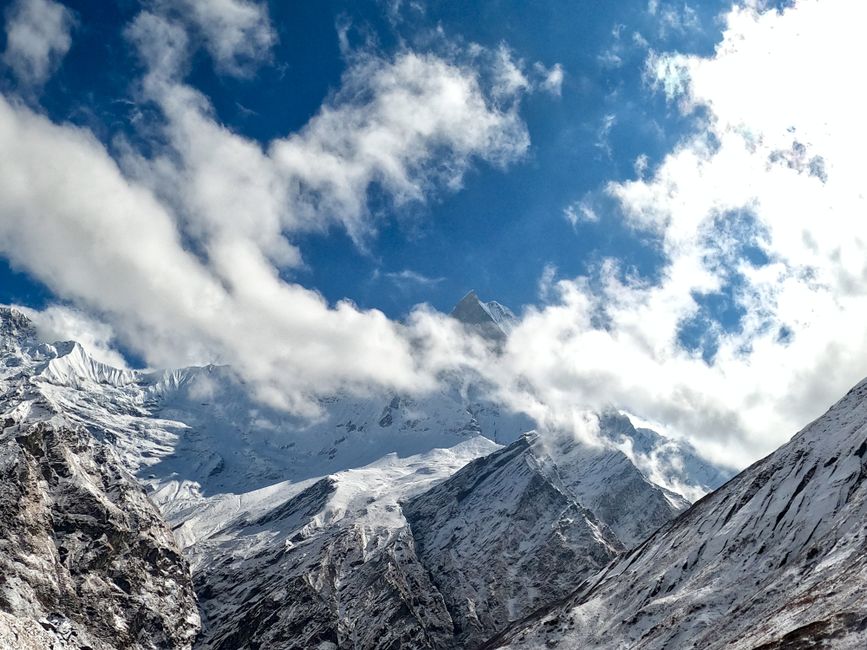
Imagine standing amidst the towering giants, breathing in the crisp mountain air – that’s the magic awaiting you in Nepal’s legendary high-altitude regions. The Khumbu (Everest Region) beckons with its iconic trails leading to Everest Base Camp, a journey that promises unparalleled views and a profound sense of accomplishment as you traverse ancient Sherpa villages and vibrant rhododendron forests.
Equally captivating is the Annapurna Conservation Area, offering a diverse tapestry of landscapes from lush subtropical valleys to arid alpine deserts. Whether you’re circling the Annapurna Massif or embarking on a shorter trek, you’ll be treated to panoramic vistas of snow-capped peaks and warm local hospitality, making every step a memory to cherish.
For your safety and enjoyment in these high-altitude trekking regions, like Everest or Annapurna, always factor in an extra acclimatization day for every 1000m ascent above 3000m. This means spending two nights in places like Namche Bazaar on your Everest trek or Manang in the Annapurna circuit, allowing your body to adjust and significantly reducing the risk of Acute Mountain Sickness (AMS), ensuring your adventure is as healthy as it is unforgettable.

Beyond the Mountains: Culture, Wildlife & Ancient Cities
While Nepal’s peaks are legendary, this Nepal regions travel guide reveals a vibrant tapestry of culture and wildlife beyond the high Himalayas. Head south to the Terai region and immerse yourself in the wild heart of Chitwan National Park, where you can spot rhinos, tigers, and exotic birds amidst dense jungle. The entry fee is NPR 2000 (approximately EUR 14) per day for foreigners, a small price for such incredible encounters.
For an authentic Chitwan experience, we highly recommend booking a 2-night, 3-day package directly with a reputable lodge; these typically include comfortable accommodation, delicious meals, thrilling jungle safaris by jeep or canoe, and captivating Tharu cultural programs that truly bring the local heritage to life.
Shift your focus to the historic Kathmandu Valley, a UNESCO World Heritage site comprising Kathmandu, Lalitpur (Patan), and Bhaktapur, each bursting with ancient temples, intricate courtyards, and bustling markets. Don’t miss Bhaktapur Durbar Square, an architectural marvel with an entry fee of NPR 1500 (approximately EUR 10) for foreigners, offering a glimpse into Nepal’s royal past.
To truly experience the authentic local life and architecture in the Kathmandu Valley, wake up early, before 8 AM, and explore the smaller courtyards and back alleys of Patan and Bhaktapur. You’ll witness daily rituals and local life unfold before the main tourist crowds arrive, creating a truly magical and intimate connection with these ancient cities, and don’t forget to pay homage to Lumbini, the sacred birthplace of Buddha, for a profound spiritual journey.

Navigating Nepal: Getting Around Like a Local
Exploring the diverse Nepal regions is an adventure in itself, and understanding your transport options will help you navigate like a seasoned pro. For budget-conscious travelers or those who love scenic routes, a tourist bus is a fantastic choice for inter-city travel; for example, a journey from Kathmandu to Pokhara, the gateway to Annapurna, typically costs NPR 1000-1500 (approximately EUR 7-10) and offers a picturesque 6-8 hour ride through rolling hills and riverside landscapes.
If time is of the essence and you prefer a quicker journey, domestic flights are readily available and offer stunning aerial views of the Himalayan range. A flight from Kathmandu to Pokhara, for instance, will set you back NPR 6000-9000 (approximately EUR 42-63) but gets you there in a swift 25 minutes, maximizing your exploration time.
Remember, while buses offer a more immersive local experience with plenty of stops for snacks and chai, flights provide unparalleled convenience and a unique perspective of Nepal’s dramatic topography. Choose the option that best suits your pace and budget, and prepare for an exciting journey through this incredible country.

Insider Secrets: Travel Smart & Live Like a Nepali
To truly unlock the magic of Nepal, embrace these insider secrets that will transform your trip from good to absolutely unforgettable. When planning your trekking adventures, always prioritize obtaining all your necessary permits – ACAP, TIMS, and National Park entries – at the Nepal Tourism Board office in Kathmandu or Pokhara; this proactive step saves you precious time and helps you avoid any unexpected fees at remote checkpoints, ensuring a smooth start to your high-altitude explorations.
For those venturing into the breathtaking high-altitude regions like Everest or Annapurna, smart acclimatization is your best friend. Always factor in an extra day for every 1000m ascent above 3000m; this means leisurely enjoying places like Namche Bazaar or Manang for two nights, allowing your body to gracefully adjust to the thinner air and safeguarding you against Acute Mountain Sickness, so you can fully savor every panoramic view.
Beyond the trails, immerse yourself in the vibrant culture of the Kathmandu Valley by waking up early, ideally before 8 AM, to explore the intricate courtyards and hidden back alleys of Patan and Bhaktapur. Witnessing local life unfold in the quiet morning hours, before the main tourist crowds arrive, offers a profound and authentic connection to Nepal’s rich heritage, making this Nepal regions travel guide your ultimate companion for a truly local experience.