
Unlocking Nepal’s Sacred Sites: Your Guide to Entry & Impact
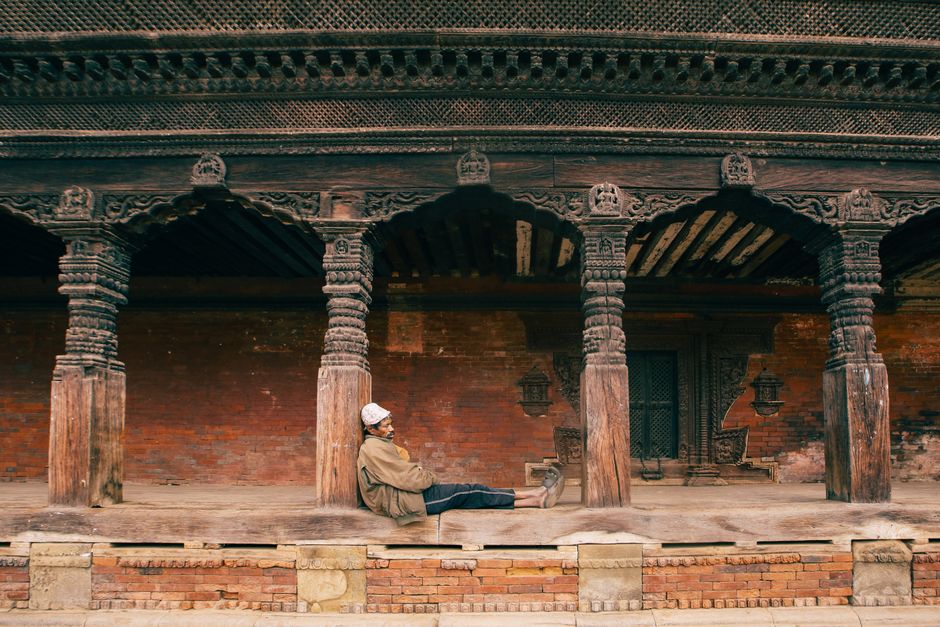
Prepare to be utterly captivated as you step into the heart of Nepal’s spiritual heritage, starting with the magnificent KATHMANDU DURBAR SQUARE. For just NPR 1000, approximately EUR 7 or USD 8, your entry fee grants you a pass valid for multiple entries on the same day, allowing you to truly immerse yourself in the intricate Newar culture and ancient architecture of this UNESCO World Heritage site. Wander through the royal courtyards and marvel at the exquisite craftsmanship that tells centuries of stories.
Next, let the serene energy of BOUDHA NATH STUPA wash over you, a truly iconic symbol of Tibetan Buddhism in Nepal. Your NPR 400 entry fee, about EUR 3 or USD 3.5, directly fuels the vital preservation efforts of this sacred site and supports local community projects, making your visit a meaningful contribution. Circle the massive white dome, spin the prayer wheels, and soak in the profound spiritual atmosphere that permeates every corner.
Then, journey to the revered PASHUPATINATH TEMPLE complex, a sprawling Hindu pilgrimage site along the sacred Bagmati River. A foreigner entry fee of NPR 1000 grants you access to the outer areas and the poignant ghats, where you can respectfully observe ancient rituals and ceremonies. Remember, while you can explore the vibrant surroundings, non-Hindus are traditionally not permitted inside the main temple itself, a crucial detail for your Nepal cultural guide.
As you explore these hallowed grounds, always remember to remove your shoes before entering temples, monasteries, or private homes; look for shoe racks or piles of footwear as your clear indicator. Dress modestly, ensuring your shoulders and knees are covered, especially at religious sites, and always ask for permission before capturing photographs of people, particularly monks, sadhus, or children, to honor their privacy and cultural norms.

Savoring Nepal: What a Delicious Dal Bhat Costs
Get ready to truly taste Nepal with its national dish, DAL BHAT, a culinary experience you absolutely cannot miss! This traditional Nepali Dal Bhat Thali, a hearty plate featuring fluffy rice, comforting lentil soup, a vibrant vegetable curry, and tangy pickles, is your ultimate fuel for adventure. You’ll find this delicious and incredibly satisfying meal for a fantastic price, typically between NPR 300-600, which is roughly EUR 2-4 or USD 2.5-5, especially when you venture into local eateries outside the main tourist zones.
Embrace the local way of eating and prepare for a truly authentic experience, often with unlimited refills of rice and dal, ensuring you’re completely satisfied. A key tip for your Nepal cultural guide: always use your right hand for giving, receiving, and eating food, as the left hand is traditionally considered impure in Nepali culture. This simple gesture shows immense respect and connects you deeper with the local customs.

Embracing Nepali Ways: Essential Cultural Etiquette Tips
To truly connect with the heart of Nepal, embracing local customs is key, and it starts with respect for sacred spaces. Always remember to remove your shoes before stepping into temples, monasteries, or private homes; a quick glance for shoe racks or piles of footwear at entrances will be your reliable cue. Additionally, dressing modestly is paramount, especially when visiting religious sites, so ensure your shoulders and knees are covered, perhaps by carrying a light scarf for women to cover their heads when appropriate.
When you’re interacting with locals, remember that small gestures go a long way in showing respect. Always use your right hand for giving, receiving, and eating food, as the left hand is traditionally considered impure in Nepali culture. Furthermore, if you’re eager to capture the vibrant scenes, always ask for permission before taking photographs of people, particularly monks, sadhus, or children, to honor their privacy and cultural norms, making your journey a truly respectful Nepal cultural guide.

Join the Festivities: Experiencing Nepal’s Vibrant Dashain
If your travel dates align, prepare to be swept up in the incredible energy of DASHIAN, Nepal’s most significant and longest Hindu festival! This spectacular celebration typically graces the calendar between late September and mid-October, unfolding over a joyous 15-day period. It’s a time when families reunite, communities come alive with vibrant decorations, and the air buzzes with an infectious sense of anticipation and gratitude.
The absolute pinnacle of Dashain is VIJAYA DASHAMI, the 10th day, when families gather for the sacred Tika blessings, a truly heartwarming experience where elders place a red paste and rice on the foreheads of younger relatives, symbolizing good fortune and protection. Imagine yourself amidst these joyous gatherings, witnessing the deep cultural bonds and experiencing the unparalleled hospitality. This is your chance to dive headfirst into the heart of Nepali tradition and create unforgettable memories!