
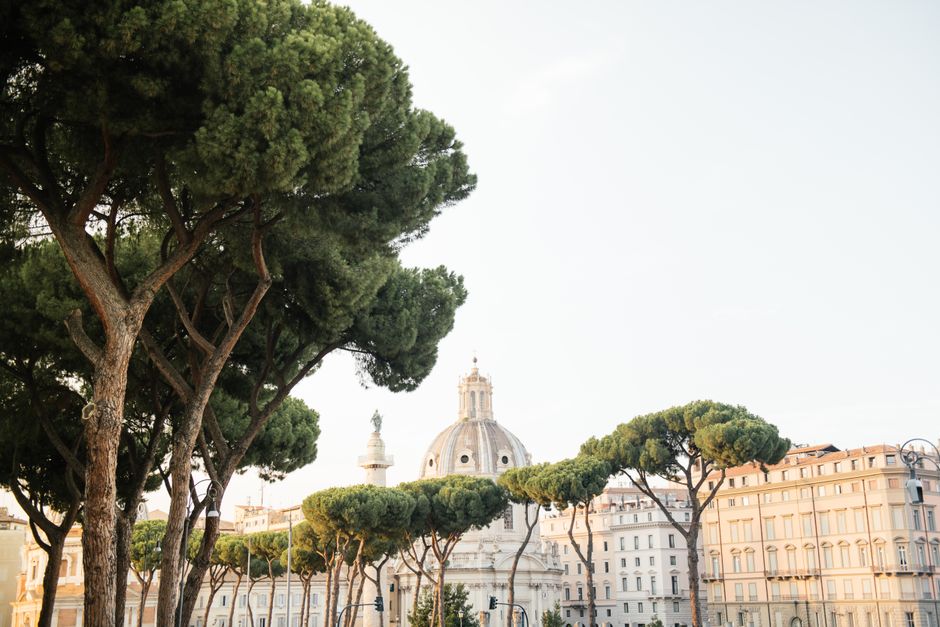
Sizzling Summers & Roman Rhythms: Beating the Heat in Rome
Imagine yourself strolling through ancient ruins, the sun warming your skin, but come July, Rome truly turns up the heat, with average temperatures around 26°C and highs often soaring to a glorious 30-35°C. This is when the city hums with a unique, slower rhythm, and the humidity, often exceeding 70-80% from June to August, makes that warmth feel even more intense, especially as you explore the bustling city center.
To truly embrace the Roman summer like a local, you’ll want to plan your grand adventures strategically. Tackle iconic outdoor sites like the Colosseum or Roman Forum in the early mornings, ideally before 10 AM, or wait until the late afternoons after 4 PM when the sun begins its gentle descent. You’ll notice many local shops and charming trattorias observe a ‘pausa pranzo’ from 1 PM to 4 PM, perfectly coinciding with the day’s peak heat, offering you a natural cue to seek shade or enjoy a long, leisurely lunch indoors.
Staying hydrated is your secret weapon against the summer sizzle; always carry a reusable water bottle, because Rome is a true hydration hero with over 2,500 ‘nasoni’ – those iconic public drinking fountains – providing free, refreshingly cool water across the city. For a natural escape, head to the expansive green havens of Villa Borghese or Parco degli Acquedotti, where the ancient trees offer significant shade and a wonderfully cooler microclimate, perfect for a mid-day reprieve.

Autumn Rains & Winter Wonders: Navigating Rome’s Cooler Months
As the vibrant summer fades, Rome transitions into a season of rich autumnal hues and, yes, a bit more rain, particularly in October and November, which are the rainiest months, each averaging 100-120mm rainfall over 9-10 days. Don’t let a little drizzle deter you; this is your chance to discover Rome’s cozy cafes and magnificent indoor treasures, but do remember that those charming cobblestone streets can become quite slippery, so comfortable, waterproof footwear is an absolute must.
When winter arrives, typically from December to February, you’ll find Rome’s average January temperature hovering around 8°C, with lows that can dip to a crisp 0-3°C, especially when the cold, dry Tramontana wind sweeps in from the north. While many days can still surprise you with mild sunshine, evenings turn distinctly chilly, and the ancient interiors of places like the Pantheon or the Catacombs can feel wonderfully atmospheric but also quite damp and cool.
Packing layers is your smart strategy for winter visits, allowing you to adapt effortlessly from a sunny afternoon stroll to a cozy evening dinner. Embrace the opportunity to explore world-class indoor attractions like the Vatican Museums, the exquisite Galleria Borghese, or the Capitoline Museums, where you can immerse yourself in history and art, perfectly sheltered from any passing showers or the winter chill.

Whispers of the Winds: Understanding Rome’s Unique Climate
Rome’s climate is a fascinating blend of Mediterranean charm and unique local influences, shaping your experience from one season to the next. Beyond the predictable summer heat and winter chill, you’ll encounter the personality of the city’s winds, like the Scirocco, a hot, often dusty, and humid breeze from North Africa that can sweep through in spring and autumn, adding an exotic touch to the air.
Conversely, the Tramontana, a cold, dry wind arriving from the north, becomes a familiar companion in winter, making those already cool temperatures feel even crisper as you wander through historic piazzas. This interplay of winds, combined with the city’s sun-drenched days—July and August boast an impressive 10-11 hours of sunshine daily—creates a dynamic environment that’s always engaging.
Understanding these subtle shifts is key to truly connecting with the city’s rhythm, and this Rome weather guide helps you anticipate how the humidity, often exceeding 70-80% in summer, or the brisk winter air, will influence your daily explorations. It’s all part of the authentic Roman experience, inviting you to adapt and enjoy every moment.
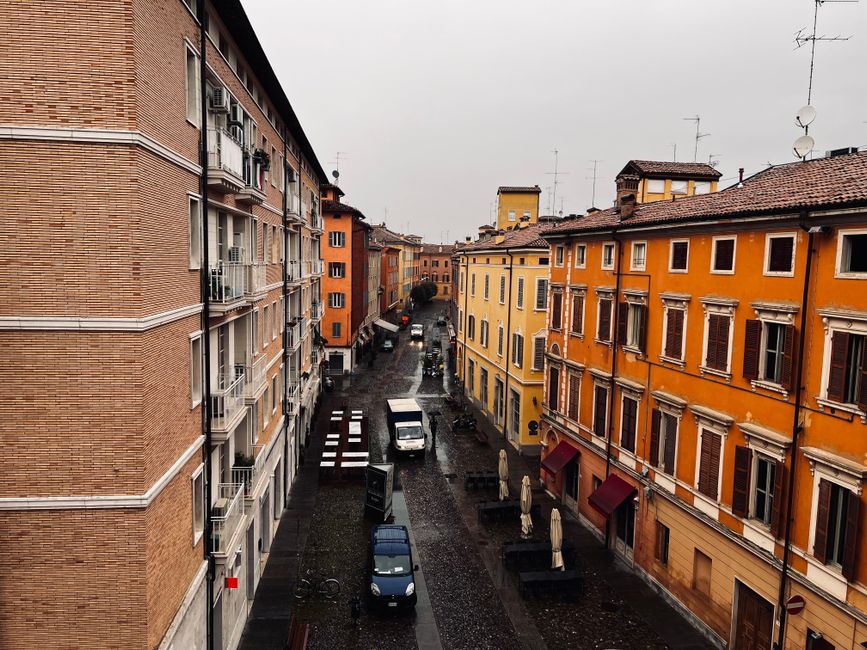
Hydration Heroes & Forecast Friends: Your Rome Weather Toolkit
To truly conquer Rome’s climate like a seasoned urban explorer, you need your trusty toolkit, starting with your hydration heroes: those magnificent ‘nasoni’. With over 2,500 public drinking fountains scattered across the city, you’ll never be far from fresh, cool water, making a reusable bottle your absolute best friend, especially from May through September when staying hydrated is paramount.
Your next essential ally in this Rome weather guide is a reliable forecast friend, and for precise urban predictions, locals swear by Il Meteo. This widely used Italian weather website and app offers detailed, up-to-the-minute information, empowering you to plan your days with confidence, whether you’re chasing sunshine or seeking shelter from an unexpected shower.
Remember our insider tip for summer: schedule your outdoor adventures for the cooler early mornings before 10 AM or the enchanting late afternoons after 4 PM. By combining smart timing, constant hydration from the nasoni, and a quick check of Il Meteo, you’ll navigate Rome’s ever-changing weather with ease, ensuring every moment of your city break is nothing short of spectacular.