
Ticket Hacks: Navigating Cuba’s Roads Like a Pro
Ready to hit the road and explore Cuba’s vibrant landscapes? Getting around this incredible island is an adventure in itself, and knowing a few insider tricks will save you both time and money. For inter-city travel, you’ll definitely want to experience the comfort and reliability of Viazul, Cuba’s national bus service.
Imagine gliding from the bustling streets of Havana to the lush tobacco fields of Viñales; a one-way Viazul bus ticket will set you back around 19-22 USD, with the scenic journey lasting approximately 3 hours and 45 minutes. My top tip for a stress-free trip? Always book your Viazul tickets several days in advance, especially for popular routes like Havana-Viñales or Havana-Trinidad, directly on their official website, viazul.com, where you can conveniently use international credit cards to secure your seat.
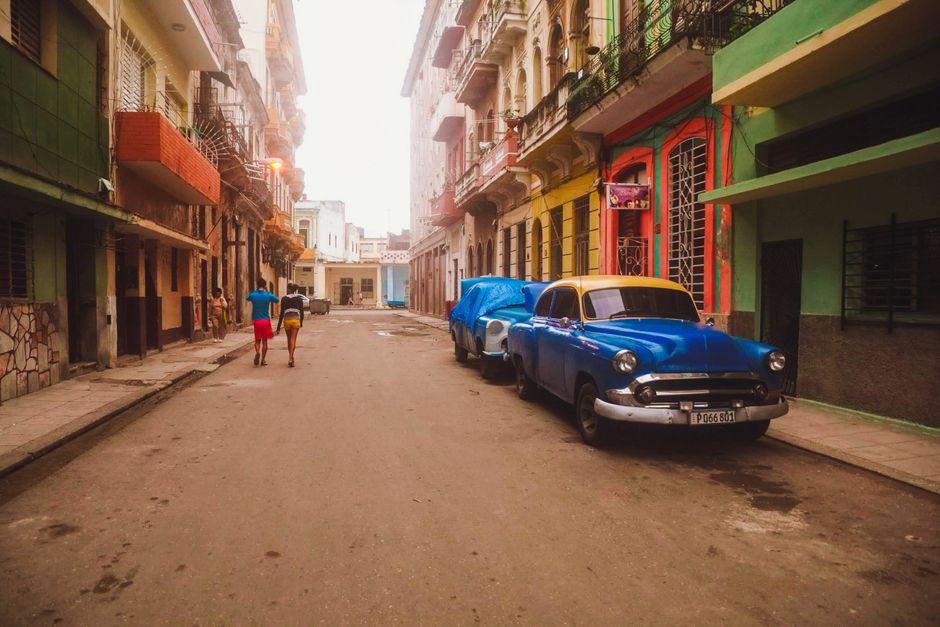
When you land at José Martí International Airport (HAV) and need to reach the heart of Old Havana, a classic American car taxi is an iconic way to start your adventure, typically costing 25-35 USD. Remember, negotiation is key here – always agree on the fare *before* you even step into the car! For shorter hops within cities, dive into the local experience by trying ‘almendrones,’ shared taxis that are significantly cheaper, though a basic grasp of Spanish and knowledge of their fixed routes will be your best friend in navigating these gems. This is a crucial part of any comprehensive Cuba travel costs guide, helping you budget wisely for transport.

Your Cuban Home Away From Home: Casa Particulars & Stays
Forget sterile hotels; your truly authentic Cuban experience begins when you unlock the door to a Casa Particular, a private homestay that offers warmth, local charm, and incredible hospitality. These aren’t just rooms; they’re windows into Cuban life, often run by welcoming families eager to share their culture with you.
You can expect to pay around 30-50 USD per night for a beautifully located double room in popular areas like the historic Old Havana or the colorful colonial town of Trinidad. Imagine waking up to the aroma of Cuban coffee, chatting with your hosts about the day’s plans, and feeling completely immersed in the local rhythm. It’s an unbeatable value and a cornerstone of any savvy traveler’s Cuba travel costs guide, ensuring you get the most bang for your buck while supporting local families directly.

Feasting in Havana & Beyond: What Will Your Meals Cost?
Prepare your taste buds for an explosion of flavors because Cuban cuisine is a delicious journey waiting to happen! From sizzling street food to elegant Paladares, you’ll find incredible culinary experiences around every corner. Dining out is not just about sustenance; it’s a vibrant social event.
When you crave that quintessential Cuban comfort food, a typical ‘comida criolla’ featuring fragrant rice, hearty beans, and perfectly cooked pork or chicken in a good Paladar will usually cost you between 10-20 USD per person. These private restaurants offer an intimate atmosphere and often serve up some of the most authentic and mouth-watering dishes you’ll find. Don’t forget to pair your meal with a refreshing mojito or a crisp local beer for the ultimate Cuban dining experience!

Staying Connected & Savvy: Wi-Fi, SIMs, and Cuban Cash
Staying connected in Cuba requires a little savvy, but it’s totally manageable once you know the ropes! While Wi-Fi isn’t as ubiquitous as back home, you’ll find hotspots in public parks and many hotels, all powered by ETECSA, the state telecommunications company. Grab an ETECSA Wi-Fi scratch card, which provides 1 hour of internet access for just 1 USD, easily available at ETECSA offices or most hotels.
For more consistent connectivity, especially if you plan to explore off the beaten path, consider a Cubacel Tourist SIM card. Valid for 30 days, it costs around 25-30 USD and comes loaded with 2.5GB of data, 20 minutes of calls, and 20 SMS – perfect for keeping in touch and navigating. A pro tip: download the ‘ETECSA’ app on your Android or iOS device to effortlessly manage your Wi-Fi account and check your balance after purchasing those scratch cards.
Now, let’s talk cash, because Cuba runs on it! Always, and I mean *always*, carry USD or EUR cash in small denominations. While the Cuban Peso (CUP) is the local currency, most tourist services, from taxis to Paladares, are priced in USD/EUR or MLC (Moneda Libremente Convertible). You might want to exchange a small amount of cash to CUP at informal rates for street vendors or local markets, as official exchange rates are often unfavorable, ensuring you get the best value for your adventures.
Insider Secrets: Booking & Budgeting for a Seamless Cuban Trip
To truly unlock the magic of Cuba without any hiccups, a little pre-planning and savvy budgeting go a long way. Think of yourself as a seasoned explorer, ready to embrace the unexpected while staying firmly in control of your adventure and your wallet.
One of the golden rules for a seamless Cuban trip is to always have cash on hand, preferably USD or EUR in smaller bills, as credit card acceptance can be limited outside of major resorts. Remember our earlier chat about negotiating taxi fares? This skill will serve you well across many interactions, ensuring you always get a fair price for services.
By following these insider secrets, from pre-booking your Viazul buses to understanding the nuances of local currency, you’re not just traveling; you’re mastering the art of Cuban exploration. This comprehensive Cuba travel costs guide empowers you to make informed decisions, ensuring your journey is filled with unforgettable moments and incredible value, making every peso and dollar count towards an epic adventure.